Introduction: The Dawn of a New Sporting Era
Over the past two decades, the world has witnessed the remarkable transformation of gaming from a casual pastime to a global phenomenon known as esports. Once viewed as a niche interest for tech enthusiasts and young gamers, esports has grown into a billion-dollar industry with millions of fans, professional athletes, and large-scale international tournaments. This evolution signifies more than just the popularity of video games; it reflects a shift in how entertainment, competition, and community converge in the digital age. Esports is no longer an underground movement—it stands shoulder to shoulder with traditional sports in terms of popularity, influence, and cultural significance.
The Origins of Esports: From Arcade Halls to Online Arenas
The story of esports begins long before high-speed internet and live streaming. In the 1980s and 1990s, gaming competitions were held in arcades and local gaming clubs where players would challenge each other on games like Pac-Man, Street Fighter II, and Super Mario Kart. These early contests, though small and informal, planted the seeds of what would later become the global esports industry.
As technology advanced and gaming consoles became more accessible, competitive gaming found a larger audience. The rise of the internet in the late 1990s and early 2000s gave birth to online multiplayer games, allowing players from around the world to compete without being in the same physical location. This was the true beginning of esports as we know it today. Titles such as StarCraft, Counter-Strike, and Warcraft III became the foundation upon which early esports communities were built.
The Explosion of Online Competition
The early 2000s saw an explosion in online gaming communities, thanks to the rapid expansion of broadband internet. With more reliable connections, players could engage in real-time battles with others across the globe. Platforms such as Battle.net, Xbox Live, and Steam provided gamers with access to competitive environments where skill and strategy determined success.
Professional tournaments began to emerge, offering not only bragging rights but also cash prizes. Events like the World Cyber Games and Electronic Sports World Cup brought together players from multiple countries, legitimizing competitive gaming on an international scale. The foundations were laid for what would become a professional and organized ecosystem, complete with sponsors, broadcasters, and dedicated fan bases.
The Birth of Esports Icons and Teams
As competitive gaming matured, so did its players. Esports athletes began to gain recognition for their dedication, strategy, and technical mastery. Teams like Fnatic, Cloud9, and SK Telecom T1 became household names in the gaming world. Players such as Faker from League of Legends, s1mple from Counter-Strike: Global Offensive, and Dendi from Dota 2 became symbols of excellence, admired not just for their in-game prowess but for their commitment to training and discipline.
Just like traditional athletes, esports professionals spend countless hours practicing, analyzing opponents, and refining their skills. Many teams have coaches, analysts, and nutritionists to ensure players perform at their peak. This professional structure mirrors that of traditional sports leagues, solidifying esports as a legitimate and respected form of competition.
The Role of Streaming Platforms in Esports Growth
Perhaps the most significant catalyst for esports’ rise was the emergence of live streaming platforms. Services like Twitch and YouTube Gaming revolutionized how fans engage with the content. Instead of simply reading about results or watching short clips, audiences could now tune in live to watch their favorite teams and players in action.
This accessibility created a powerful bond between players and fans. Viewers could interact in real-time through chat, cheer for their teams, and even support their favorite streamers financially. The sense of community built through streaming platforms elevated esports from an activity to a movement. It transformed spectators into active participants, contributing to the growth of a vibrant, global culture.
Esports Tournaments and Global Events
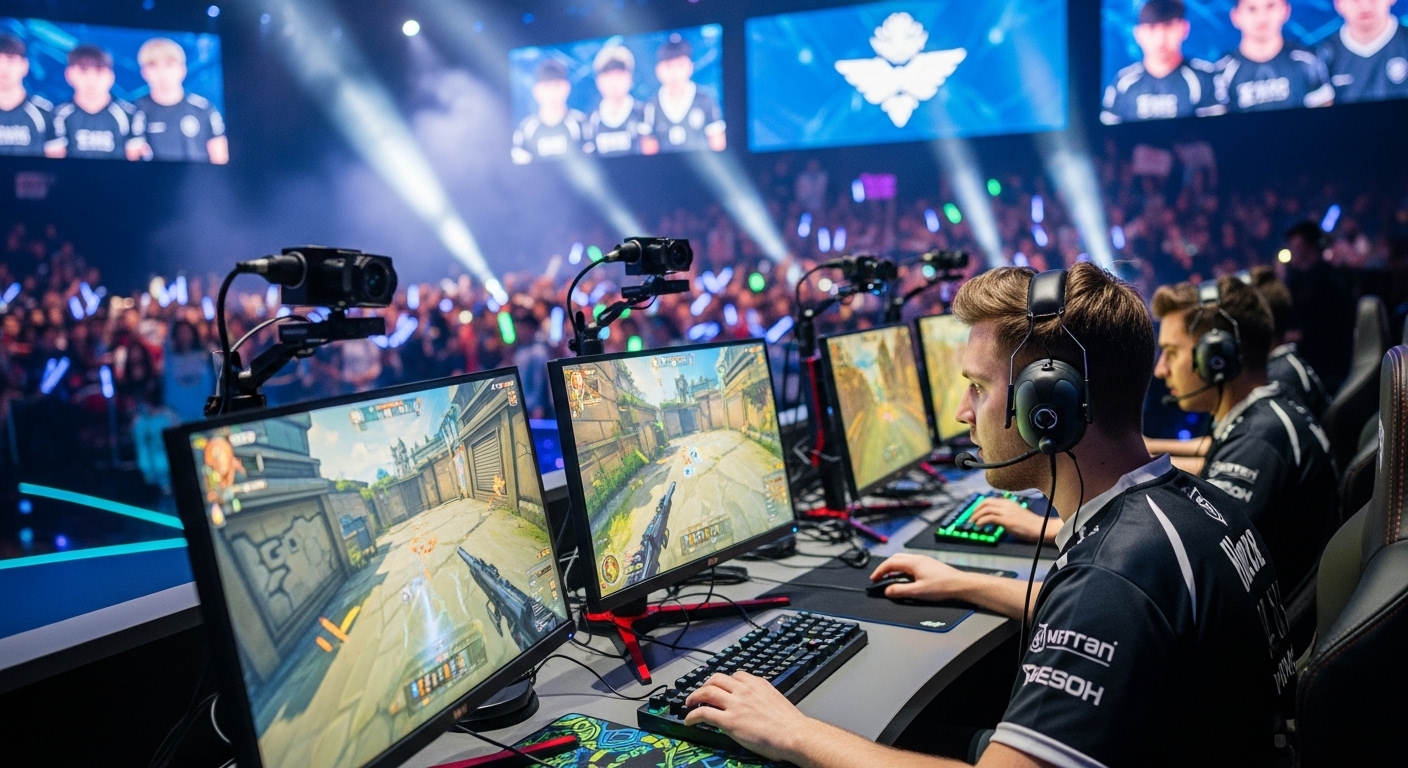
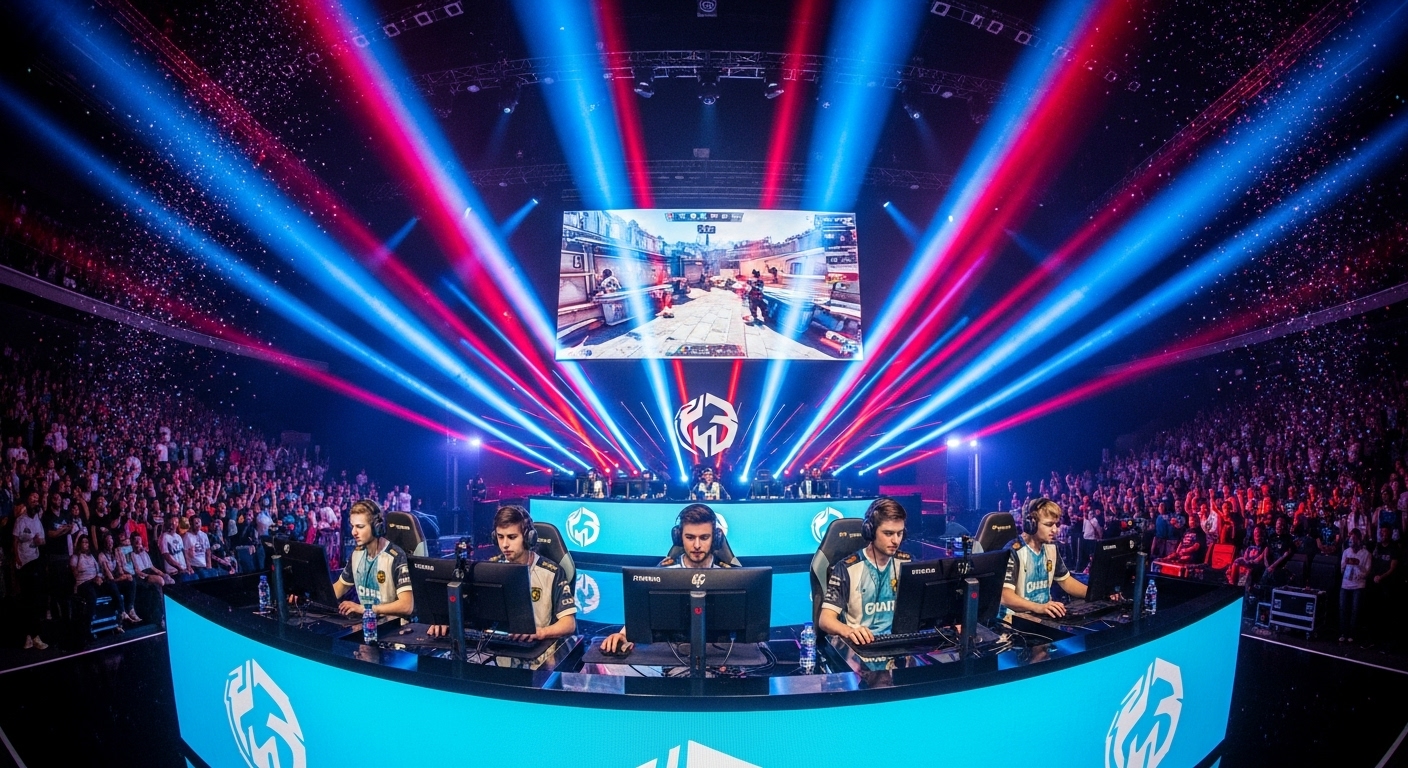
Today, esports tournaments attract audiences that rival or even surpass those of traditional sports events. Competitions like The International (for Dota 2), League of Legends World Championship, and Fortnite World Cup draw millions of live viewers online and thousands of attendees in stadiums around the world.
These tournaments offer staggering prize pools—some exceeding tens of millions of dollars—demonstrating the financial power of esports. But beyond the money, these events symbolize unity and celebration among players and fans. They highlight the diversity of the gaming community, bringing together people from different countries, languages, and cultures under one digital roof.
Corporate Involvement and Sponsorships
As esports gained mainstream traction, major corporations began to invest heavily in the industry. Brands like Intel, Red Bull, and Mercedes-Benz recognized the marketing potential of reaching young, tech-savvy audiences. Sponsorships and partnerships became crucial in funding tournaments, supporting players, and developing new esports infrastructure.
This corporate involvement brought professionalism and stability to the scene. Esports organizations began to function like traditional sports franchises, with player contracts, transfer windows, and marketing departments. These partnerships also helped expand esports into new territories, ensuring that competitive gaming continues to grow both economically and culturally.
Esports as a Career Path
What was once considered an unrealistic dream is now a viable career option. Professional players can earn substantial salaries, sponsorships, and streaming revenue. Beyond playing, there are opportunities in coaching, management, event organization, commentary, content creation, and marketing.
Educational institutions have also taken notice. Many universities now offer esports scholarships, degrees in game design, and programs focused on digital media and competitive gaming management. This institutional support helps legitimize esports and provides young gamers with a structured pathway into the industry.
The Mental and Physical Demands of Esports
Contrary to common misconceptions, esports requires more than quick reflexes and good hand-eye coordination. Professional players must maintain intense focus, mental resilience, and strategic thinking under high-pressure situations. Training schedules can extend up to ten hours a day, demanding discipline and consistency.
Physical health also plays an essential role. Hand injuries, back pain, and vision strain are common challenges for players who spend long hours practicing. Consequently, esports organizations emphasize fitness and wellness programs to ensure players maintain a healthy balance.
Esports and the Media: Changing Perceptions
In the early days, gaming was often portrayed negatively in mainstream media, viewed as a distraction rather than a legitimate pursuit. However, as esports’ popularity skyrocketed, public perception began to shift. Major news outlets now cover tournaments, and television networks broadcast esports events alongside traditional sports.
This shift in perspective represents a broader cultural acceptance of gaming as both an art form and a professional discipline. Celebrities and athletes from traditional sports have also expressed interest in esports, further bridging the gap between the physical and digital sporting worlds.
The Role of Technology in Shaping Esports
Technological advancements have been instrumental in shaping the esports industry. Improved graphics, faster processors, and virtual reality are continually enhancing the gaming experience. High-speed internet enables smoother online play and global connectivity, while advancements in broadcasting technology ensure that live events are visually stunning and immersive.
Artificial intelligence and data analytics also play a growing role. Teams use analytics to study opponents’ behavior, optimize performance, and develop winning strategies. This combination of technology and competition continues to push the boundaries of what is possible in esports.
The Social Impact of Esports
Esports has had a profound social impact, particularly among young people. It has created communities that transcend geography, language, and culture. Online gaming communities provide spaces where individuals can connect, collaborate, and compete regardless of their background.
Moreover, esports promotes valuable skills such as teamwork, communication, leadership, and strategic planning. Many players who start in esports go on to apply these skills in business, technology, and creative industries. The sense of belonging and identity that esports fosters has become a source of empowerment for millions around the world.
Challenges Facing the Esports Industry
Despite its rapid success, esports faces several challenges. One major issue is the lack of standardized regulations across different games and regions. Unlike traditional sports, each game is owned by a private company, meaning rules and tournament structures can vary widely.
Another challenge is player burnout. The intense schedule and pressure to perform can lead to mental fatigue and early retirement. Additionally, issues such as cheating, match-fixing, and online harassment threaten the integrity of the industry. Addressing these problems is essential to ensure sustainable growth and maintain public trust.
The Future of Esports: What Lies Ahead
Looking ahead, the future of esports appears brighter than ever. The industry is expected to continue expanding into new markets, particularly in Asia, Africa, and South America. With the rise of mobile gaming, esports has become more accessible to people who may not own gaming PCs or consoles.
Virtual reality and augmented reality could redefine how esports are played and viewed, offering immersive experiences that blur the line between the real and digital worlds. Furthermore, with the integration of blockchain technology, digital ownership and rewards could become new frontiers for players and fans alike.
Governments and educational institutions are increasingly recognizing esports as a valuable component of digital culture. Some countries are even considering esports athletes for official sporting status, further cementing its place in global entertainment.
Women in Esports: Breaking Barriers
The participation of women in esports is another transformative aspect of the industry’s growth. Historically, gaming has been male-dominated, but recent years have seen a significant rise in female gamers, streamers, and professional players. Organizations are promoting inclusivity and diversity by creating equal opportunities and safer environments for women in gaming.
Female-focused tournaments, mentorship programs, and advocacy groups are empowering women to compete at the highest levels and inspire the next generation. The inclusion of diverse voices is strengthening the esports ecosystem and enriching its culture.
Esports and Education: Learning Through Gaming
Esports is not just entertainment; it is also becoming a valuable educational tool. Schools and universities are integrating esports into their curricula to teach teamwork, digital literacy, and problem-solving skills. Students who engage in organized esports programs develop discipline and learn how to manage competition and collaboration effectively.
Furthermore, esports provides a bridge between education and technology. It encourages students to explore careers in programming, game design, data science, and media production. The educational potential of esports goes far beyond gaming—it inspires innovation and creativity among young minds.
Esports as a Global Unifier
One of the most powerful aspects of esports is its ability to unite people globally. Unlike traditional sports, which are often tied to physical geography, esports thrives in the digital world where borders do not exist. Players and fans from different continents can connect instantly, sharing their passion and experiences.
Major tournaments feature multilingual broadcasts, fan art, and online communities that celebrate diversity. In a world where divisions often dominate headlines, esports serves as a reminder of what humanity can achieve through collaboration, creativity, and shared enthusiasm.
Conclusion: The Legacy and Promise of Esports
Esports has evolved from humble beginnings in arcades to a global powerhouse of entertainment and competition. It has transformed perceptions, created new career paths, and united millions of people worldwide under the banner of digital sportsmanship. The journey of esports is far from over; it continues to expand, innovate, and inspire.
As technology advances and new generations embrace gaming culture, esports will only grow stronger. It represents not just the future of sports, but also the evolution of human connection in the digital age. From casual gamers to world champions, every player contributes to this incredible story—a story that proves competition, creativity, and community can thrive in any arena, even a virtual one.