In the world of entertainment, few industries have seen such explosive growth as esports. What was once a niche hobby for a small group of passionate gamers has transformed into a global phenomenon, with millions of viewers, sponsorship deals, and even career opportunities for players and influencers. Esports has crossed the boundaries of traditional gaming and become a major player in the broader entertainment industry. This blog post will explore the rise of esports, its impact on culture, the economic aspects, and the future of this ever-expanding world.
What is Esports?
Esports, short for electronic sports, refers to competitive video gaming at a professional level. This involves organized multiplayer video game competitions, often between professional players, teams, or organizations. The games played in esports span a variety of genres, from first-person shooters (FPS) like Counter-Strike: Global Offensive and Call of Duty, to multiplayer online battle arenas (MOBA) such as League of Legends and Dota 2, and even sports simulations like FIFA and NBA 2K.
Unlike casual gaming, where individuals play for leisure, esports is highly structured, with players competing for large prizes, sponsorships, and fame. In fact, the competitive nature and increasing professionalization of esports are what separate it from regular gaming.
The Evolution of Esports
The roots of esports can be traced back to the late 1990s when multiplayer games such as Quake and StarCraft began to gain popularity. Tournaments were held in small LAN (Local Area Network) settings, where gamers would gather to compete in person. These early competitions were the precursor to what we now recognize as major esports events.
The turn of the millennium brought significant advancements in technology, the internet, and gaming infrastructure. As broadband internet became more widespread, online multiplayer games took off, creating an entirely new dimension for competitive play. StarCraft, released in 1998, became one of the first games to gain major esports traction, particularly in South Korea, where esports began to be seen as a legitimate career choice. In fact, South Korea remains one of the leading countries in esports development, with League of Legends and StarCraft II being household names.
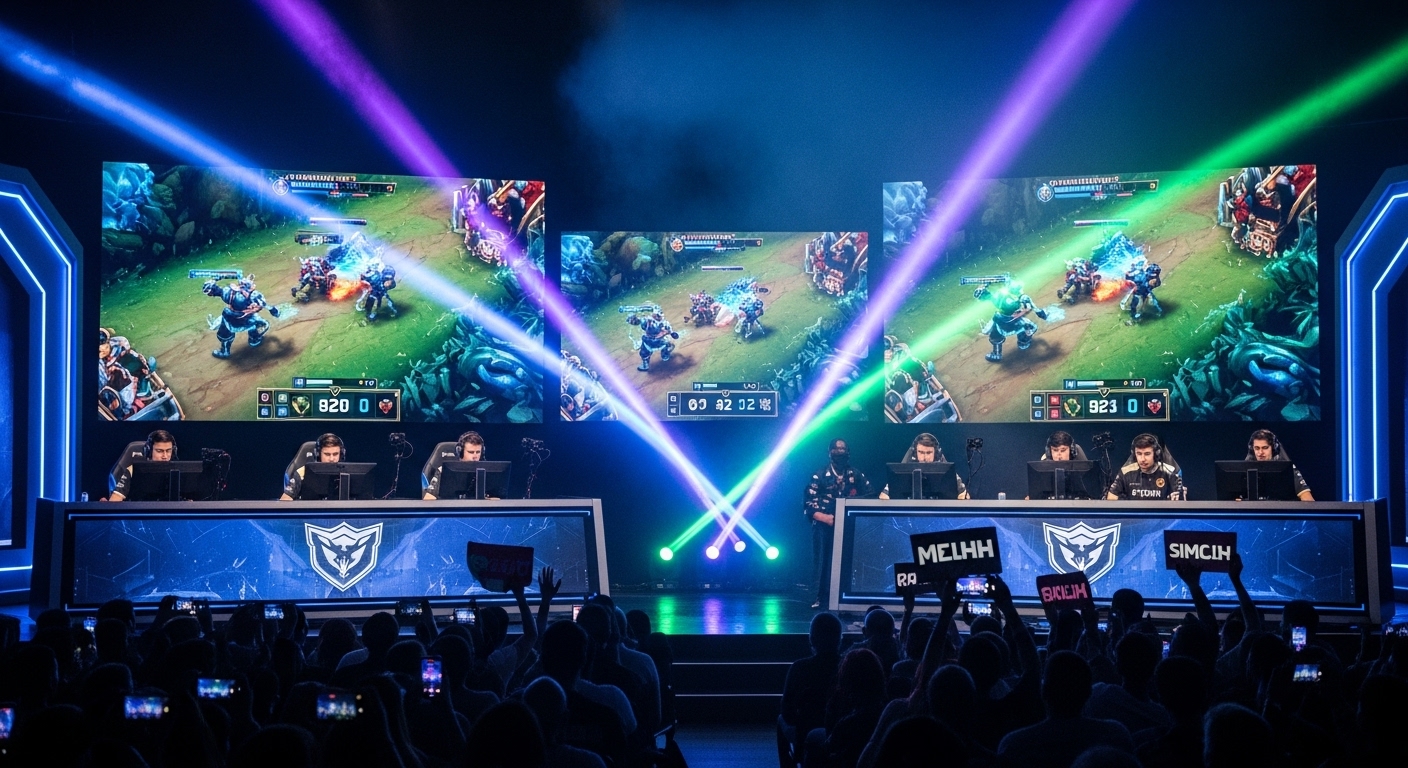
Over the years, esports grew beyond local tournaments and small-scale competitions to become a globally recognized industry. Major tournaments like The International (Dota 2) and League of Legends World Championship attract millions of viewers online and even sell out huge arenas for in-person events.
The Business of Esports
Esports is no longer just about playing games; it’s a massive business ecosystem that involves sponsorships, merchandise sales, media rights, broadcasting deals, and more. The financial impact of esports cannot be overstated. According to recent estimates, the global esports industry will be worth over $1.5 billion by 2025, with a steady rise in revenue from sponsorships, streaming platforms, and advertising.
One of the most significant revenue streams for esports is sponsorships. Major brands, from tech companies like Intel and Nvidia to non-endemic brands such as Coca-Cola and Red Bull, have poured millions of dollars into esports. These sponsorship deals not only help fund events and teams but also boost the visibility of these brands to an audience that is predominantly young, tech-savvy, and digitally engaged.
Esports has also opened up new avenues for advertisers. Platforms like Twitch, YouTube Gaming, and Facebook Gaming allow brands to advertise directly to the gaming community, often through influencer partnerships. Streamers and professional players have become celebrities in their own right, attracting sponsorships from major companies, creating branded content, and even launching their own merchandise lines.
Additionally, traditional sports organizations are now paying attention to esports. Teams from sports leagues such as the NBA and NFL are investing in esports teams and leagues, blurring the lines between traditional and digital sports. For example, the NBA launched its own esports league, NBA 2K League, in collaboration with 2K Sports, further solidifying the legitimacy of esports as a competitive activity.
The Impact of Esports on Culture
Esports has had a profound impact on modern culture, particularly among younger generations. For many, it is more than just a game; it is a lifestyle. Streaming platforms like Twitch have created an entirely new form of entertainment where gamers can watch professional players, interact with them in real-time, and even support them with donations or subscription-based services. It’s a new kind of fandom, one that revolves not just around watching games but participating in communities that share a passion for gaming.
The concept of “celebrity gamers” has also become more prominent. Players such as Ninja (Tyler Blevins), Shroud (Michael Grzesiek), and Pokimane (Imane Anys) have become household names, crossing over into mainstream media. These influencers and professional players aren’t just known for their skill in gaming—they’re also known for their personalities, engaging streams, and content outside of gaming. Their influence extends to social media platforms like Instagram and YouTube, where they have millions of followers.
The esports scene has also led to the creation of professional content creators, analysts, and casters who provide commentary during matches, further enhancing the viewing experience. Esports events are now broadcast in the same way as traditional sports, with color commentators, analysts, and live broadcasting teams.
In many ways, esports has also helped in breaking down societal barriers. Games that were once considered “nerdy” or “geeky” have become more widely accepted. People from diverse backgrounds, genders, and countries now participate in and watch esports, helping to create a more inclusive environment for all. This shift in perception is aided by the rise of women in esports, where female gamers and teams are becoming increasingly visible, despite the challenges they face in what has traditionally been a male-dominated industry.
The Future of Esports
The future of esports looks brighter than ever. As technology continues to advance, especially in terms of virtual reality (VR) and augmented reality (AR), the gaming experience is likely to become even more immersive. We may see more VR-based esports tournaments in the coming years, where players compete in a fully immersive environment.
One of the biggest trends shaping the future of esports is the development of collegiate esports programs. Universities and colleges around the world are increasingly offering scholarships for esports players, recognizing the skills required to compete at a high level. This has further legitimized esports as a serious career option for many aspiring gamers, with some players even opting for full-time gaming careers after graduating.
Furthermore, as the esports audience continues to grow, it is likely that we will see more mainstream media outlets picking up esports content, further broadening the reach of the industry. Cable networks, online streaming services, and even traditional sports networks like ESPN are all jumping on the esports bandwagon, broadcasting tournaments and offering coverage of the industry.
Esports will likely become even more integrated into traditional sports. We might see hybrid events that feature both traditional athletes and esports players competing in the same tournaments, or even new sports leagues that feature both real-world and digital competitions. The merging of these two worlds could open up new possibilities for entertainment, and the sky’s the limit for how esports could continue to evolve.
Conclusion
Esports has come a long way since its humble beginnings. What started as a niche hobby has transformed into a multi-billion-dollar industry with global reach, cultural significance, and a promising future. From the professionalization of players and teams to the massive growth of streaming platforms and media coverage, esports is reshaping the world of entertainment.
While challenges remain, such as the need for better player support, fair pay, and broader diversity, esports has already shown that it’s a force to be reckoned with. Whether you’re a seasoned gamer, a casual viewer, or someone just beginning to explore the world of esports, it’s clear that this phenomenon is here to stay—and its impact on the entertainment industry will only continue to grow.