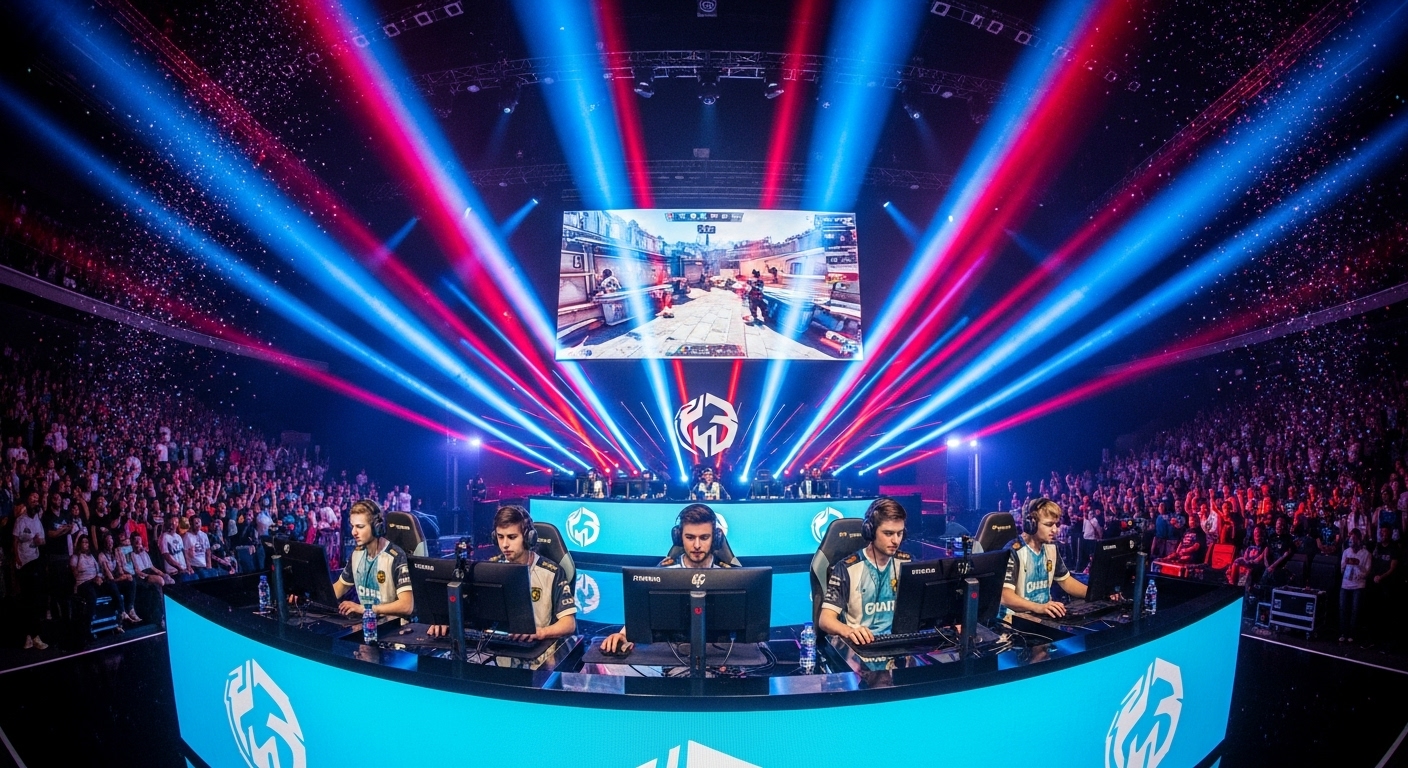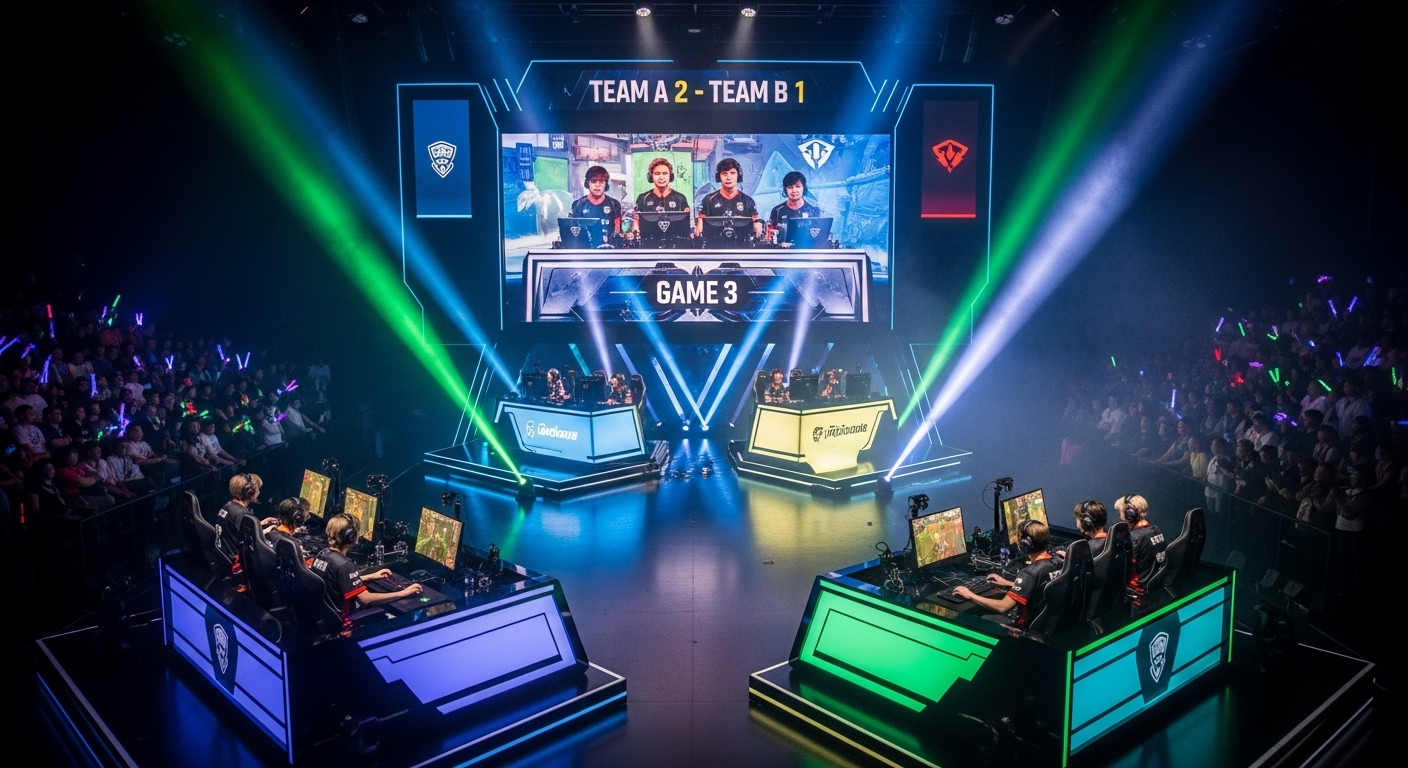
In the past two decades, few industries have experienced such explosive growth and cultural impact as esports. What began as small-scale gaming tournaments in the corners of arcades and college campuses has transformed into a multibillion-dollar global industry. Esports is no longer just a pastime for passionate gamers; it’s a mainstream entertainment powerhouse rivaling traditional sports in audience size, sponsorship, and prestige.
This transformation didn’t happen overnight. It’s a story of technology, culture, community, and ambition coming together to create something truly revolutionary. From the earliest competitions in games like StarCraft and Counter-Strike to today’s massive global events featuring League of Legends and Valorant, esports has become a defining force in modern entertainment.
The Origins of Competitive Gaming
The roots of esports stretch back further than many realize. Competitive gaming existed long before Twitch streams, high-end gaming PCs, and arena-sized events. The first known video game competition took place in 1972 at Stanford University, where students competed in a game called Spacewar. The prize? A year’s subscription to Rolling Stone magazine. It was humble, but it marked the beginning of something extraordinary.
By the 1980s, video games had begun to capture the imagination of the public. Arcade classics like Pac-Man, Donkey Kong, and Space Invaders brought competition to the forefront, as players fought for high scores that would immortalize their initials on arcade screens. The “King of Kong” era of high-score chasing laid the foundation for a competitive spirit that would later evolve into organized tournaments.
The 1990s brought a major shift. With the rise of home consoles and personal computers, gaming became more accessible. Titles like Street Fighter II and Doom ignited head-to-head play, while the emergence of the internet allowed players to challenge opponents across the globe. Early esports events like the Red Annihilation Quake tournament in 1997, which awarded the winner a Ferrari, hinted at the potential scale of gaming competitions.
The Early Days of Organized Esports
As internet speeds improved and multiplayer gaming became more stable, esports began to take shape as a structured activity. The late 1990s and early 2000s saw the formation of leagues and organizations dedicated to competitive play. Games like Counter-Strike, StarCraft, and Warcraft III became staples of this new era.
South Korea was among the first countries to fully embrace esports. With widespread broadband adoption and a passionate gaming culture, the nation turned professional gaming into a respected career path. StarCraft became a national obsession, with players achieving celebrity status and televised matches drawing millions of viewers. South Korea’s early infrastructure and commitment to esports gave it a crucial head start, setting the standard for professional play, team organization, and fan engagement.
Meanwhile, in North America and Europe, competitive scenes for games like Halo, Call of Duty, and Unreal Tournament began to emerge. LAN (Local Area Network) events such as DreamHack and the Cyberathlete Professional League brought together players and fans, fostering a sense of community and legitimacy. These events were often small compared to modern tournaments, but they were instrumental in building the foundation of esports as a serious pursuit.
The Streaming Revolution
No single factor has influenced the growth of esports more profoundly than streaming. Before the mid-2000s, watching esports meant downloading large video files or attending live events. The arrival of platforms like Twitch, YouTube Gaming, and later Facebook Gaming transformed the landscape entirely.
Twitch, launched in 2011, became a game-changer. Suddenly, fans could watch their favorite players compete live, interact with them in chat, and feel part of the action. This direct connection between players and audiences created an entirely new form of entertainment. Viewership exploded, sponsors took notice, and esports events began reaching global audiences rivaling major traditional sports broadcasts.
Streaming also empowered players to build personal brands. A talented gamer could not only compete in tournaments but also stream practice sessions, tutorials, and casual play, turning gaming into a full-time career. The rise of personalities like Ninja, Faker, and Shroud proved that esports stars could achieve fame and financial success comparable to athletes and entertainers.
Major Esports Titles That Shaped the Industry
Every major era of esports has been defined by its iconic games. Each title brings its own community, playstyle, and competitive legacy.
StarCraft and the Birth of Professional Esports
StarCraft: Brood War was more than a game in South Korea—it was a national phenomenon. The game’s strategic depth, fast-paced mechanics, and balance made it perfect for competitive play. Professional teams, leagues, and television broadcasts centered around StarCraft transformed it into one of the first truly professional esports.
Counter-Strike: The Tactical Shooter Revolution
Counter-Strike, originally a Half-Life mod, became one of the most enduring competitive shooters of all time. From 1.6 to Global Offensive, its core gameplay of precise gunplay and teamwork has remained iconic. Major tournaments like ESL One Cologne and the Intel Extreme Masters established Counter-Strike as the gold standard for tactical shooters.
League of Legends and the Modern Era
League of Legends, released in 2009 by Riot Games, redefined what esports could be. The company invested heavily in building professional infrastructure, global leagues, and consistent tournament schedules. The annual League of Legends World Championship attracts tens of millions of viewers, with grand finals filling entire stadiums. The game’s accessibility, combined with Riot’s dedication to storytelling and fan engagement, helped push esports into the mainstream.
Dota 2 and The International
Dota 2 carved its own place in history with The International, an annual world championship featuring record-breaking prize pools funded by in-game purchases. The community-driven nature of Dota 2’s success showed how player involvement could drive esports to new heights.
Overwatch, Valorant, and the New Generation
Recent years have seen new contenders enter the scene. Blizzard’s Overwatch combined team-based shooting with colorful heroes and unique abilities, while Riot’s Valorant fused elements of Counter-Strike and hero shooters into a highly competitive format. These games continue to push innovation and attract new audiences, ensuring esports remains fresh and evolving.
The Rise of Esports Organizations and Leagues
As esports matured, professional teams and organizations began operating like traditional sports franchises. They hired coaches, analysts, nutritionists, and marketing teams. Players signed contracts, received salaries, and trained in team houses designed for performance optimization.
Major organizations such as Team Liquid, Cloud9, Fnatic, T1, and G2 Esports became household names among gaming enthusiasts. These organizations not only compete in multiple games but also build massive fanbases and collaborate with global brands. Sponsorships from companies like Intel, Red Bull, and Mercedes-Benz have elevated esports to the level of traditional sports in terms of visibility and professionalism.
Franchise leagues such as the Overwatch League and the League of Legends Championship Series adopted models similar to the NBA or NFL, with city-based teams, regular seasons, and playoffs. This structure brought stability and long-term investment, further legitimizing esports in the eyes of mainstream media and investors.
The Cultural Impact of Esports
Esports isn’t just about competition—it’s about community and culture. Gaming has always been a social activity, and esports amplifies that connection on a global scale. Fans form deep bonds with teams and players, celebrating victories and sharing heartbreaks just like supporters of football or basketball clubs.
Events such as the League of Legends World Championship, The International, and EVO (the world’s largest fighting game tournament) are not merely competitions—they are cultural festivals. They bring together thousands of fans in person and millions online, united by their shared passion for gaming.
Esports has also influenced fashion, music, and entertainment. Collaborations between game developers and artists have produced iconic performances and crossovers. From virtual concerts featuring pop stars within games to esports-themed merchandise, the blending of digital and physical culture is one of the defining aspects of this era.
Challenges in the Esports Industry
Despite its rapid growth, esports faces significant challenges. The industry’s youth means it is still finding its footing in terms of regulation, sustainability, and player welfare.
One of the main issues is financial stability. While top-tier teams and players earn significant income, many smaller organizations struggle to survive. Prize money is often concentrated among a few elite competitors, and revenue models are still evolving.
Player burnout is another major concern. The intense training schedules and high-pressure environments can lead to mental and physical exhaustion. The lack of standardized player support systems, especially in smaller regions or titles, can exacerbate these issues.
Additionally, esports must grapple with issues of inclusivity and representation. Historically, the industry has been male-dominated, though efforts are underway to create more opportunities for women and marginalized groups. Initiatives promoting diversity, fair play, and safe communities are essential for esports to continue growing responsibly.
Regulation and governance also remain complex. Unlike traditional sports with centralized authorities, esports is fragmented across different games, publishers, and leagues. This makes enforcing consistent rules, anti-cheating measures, and player rights a continual challenge.
The Role of Technology and Innovation
Esports and technology are inseparable. Every major leap in competitive gaming has coincided with technological advancement. High-speed internet, powerful hardware, and sophisticated broadcasting tools have made global competition possible.
Today’s tournaments employ cutting-edge production techniques, including augmented reality stages, instant replays, and live statistics overlays. Virtual reality and artificial intelligence are poised to revolutionize the way esports is played and consumed in the coming years.
Cloud gaming and mobile esports are expanding accessibility, allowing more players from developing regions to participate. Games like PUBG Mobile and Mobile Legends have already demonstrated the massive potential of mobile esports, with millions of players and fans across Asia, the Middle East, and Latin America.
Esports Education and Career Opportunities
As esports becomes more established, educational institutions are recognizing its potential. Universities and colleges now offer esports scholarships, degrees in game design and management, and dedicated esports arenas.
Beyond professional play, esports has created a wide range of career opportunities. Coaches, analysts, broadcasters, event organizers, marketers, and content creators all contribute to the ecosystem. The industry requires not just gaming skill, but also expertise in business, media, and technology.
For young people passionate about gaming, esports provides legitimate pathways to meaningful careers—something that would have seemed unimaginable two decades ago.
The Future of Esports
The future of esports looks brighter than ever. With each passing year, audiences grow, technology improves, and mainstream acceptance deepens. Traditional sports organizations, celebrities, and even governments are investing in esports infrastructure.
Virtual and augmented reality could redefine the spectator experience, allowing fans to step directly into the arena from their own homes. Blockchain and digital ownership may introduce new ways for fans to engage with teams through collectibles or virtual assets.
But perhaps the most exciting part of esports’ future is its limitless potential. Unlike traditional sports, which are bound by physical limitations, esports evolves with technology. A new game can emerge and within months become the next global phenomenon. This constant innovation ensures that esports will continue to captivate generations to come.
Conclusion: More Than Just Games
Esports is no longer a fringe subculture—it’s a pillar of modern entertainment and a symbol of how technology brings people together. It blends competition, creativity, and community in a way few other industries can match.
From its humble beginnings in university labs and smoky arcades to sold-out arenas and global broadcasts, the journey of esports is nothing short of extraordinary. It embodies the human drive to compete, connect, and create, proving that gaming is far more than a pastime—it’s a defining force of the digital age.
As the world continues to evolve, one thing is certain: esports will remain at the forefront of innovation and inspiration, uniting millions across continents, languages, and cultures in the universal thrill of play.