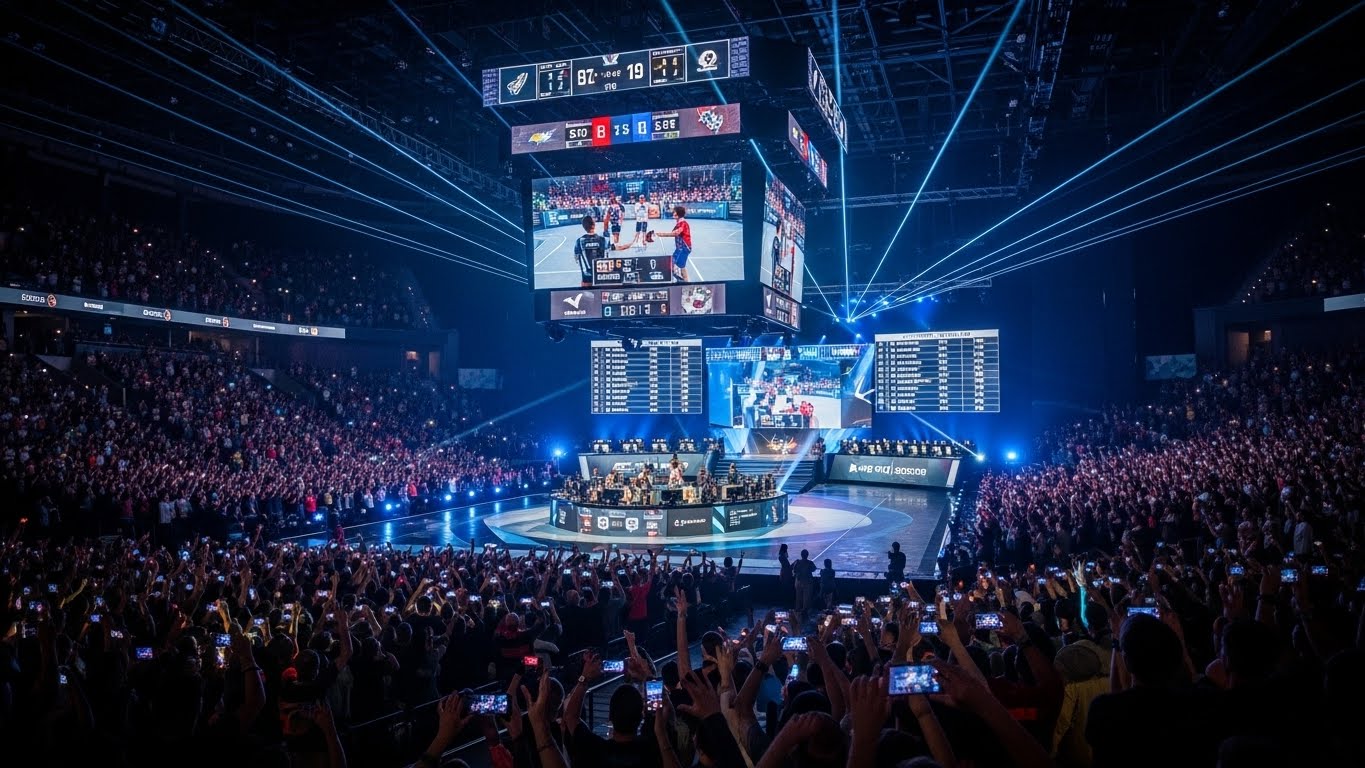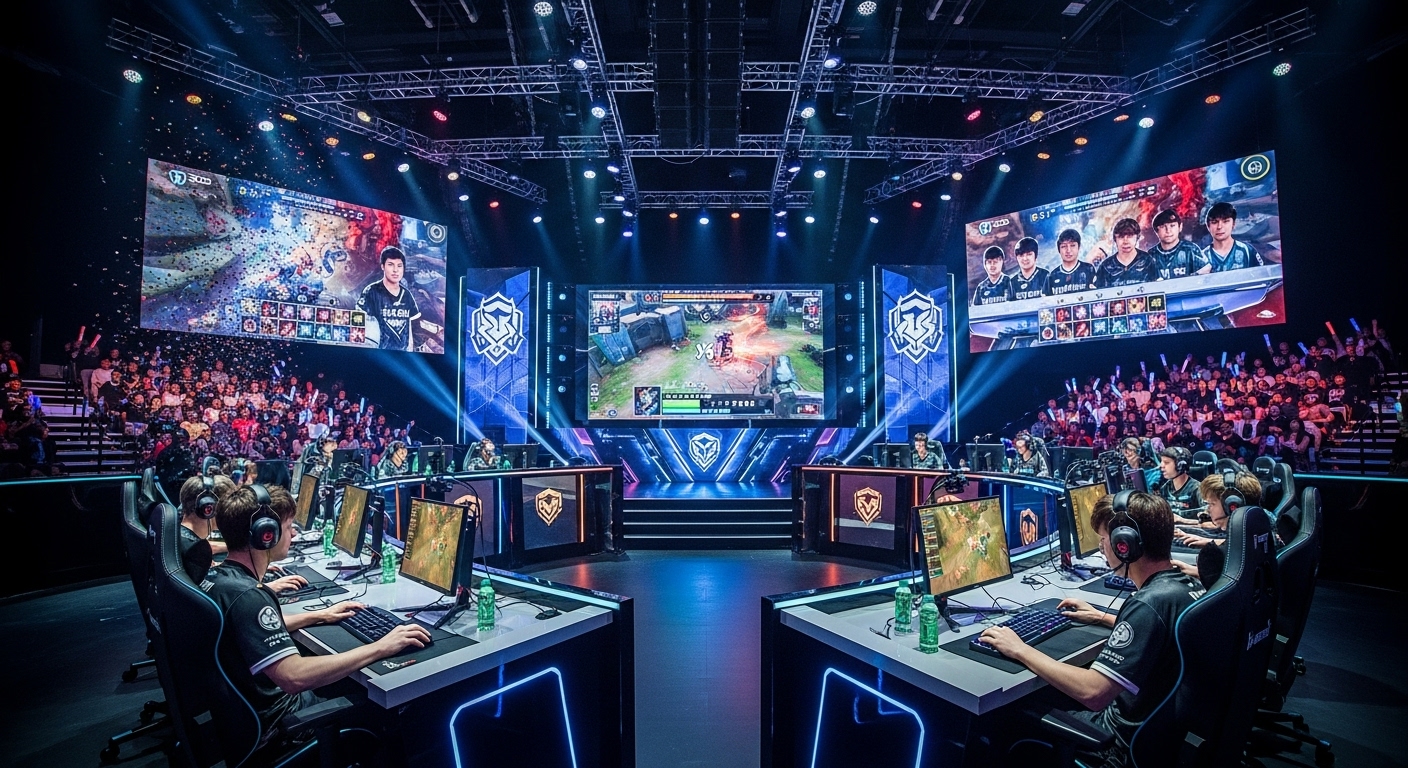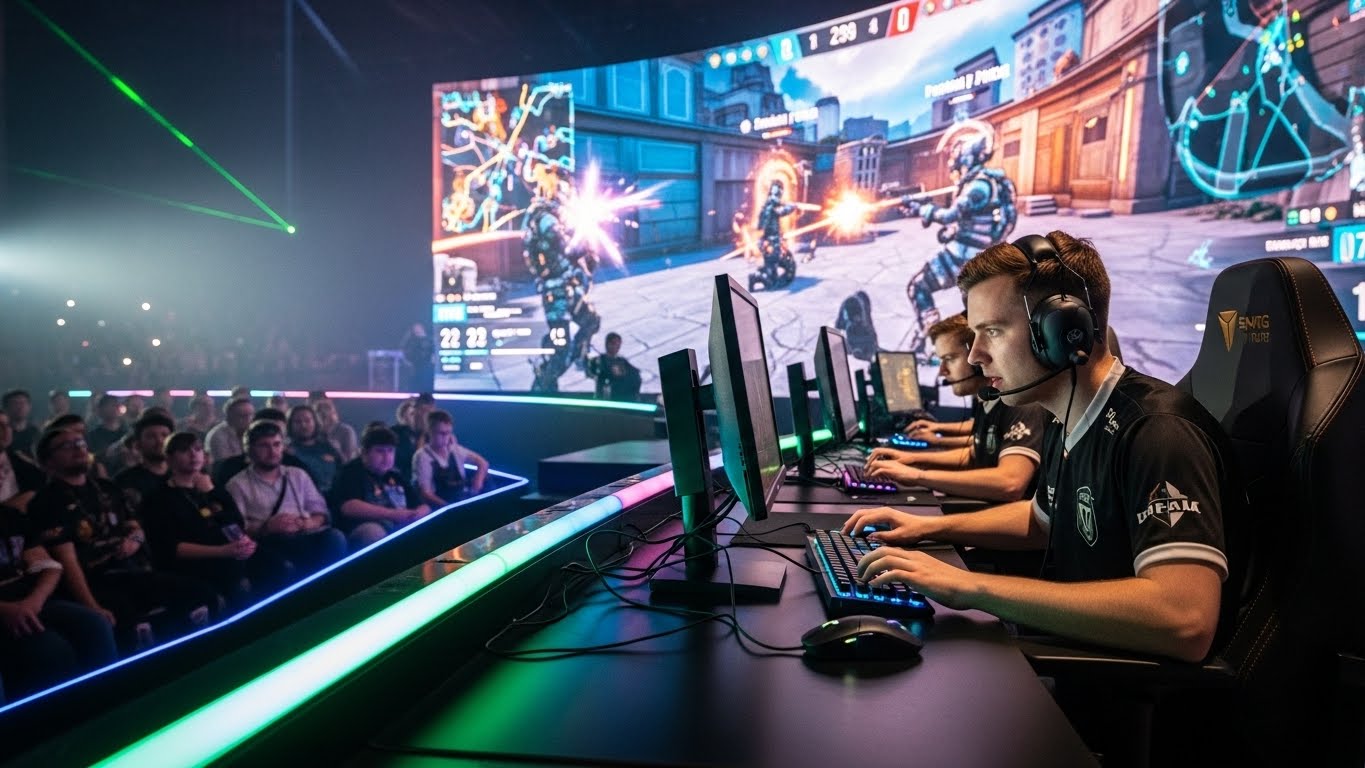
Esports, short for electronic sports, represents one of the most fascinating cultural and technological revolutions of the 21st century. What began as casual gaming competitions among friends has grown into a multi-billion-dollar global industry, drawing audiences rivaling those of traditional sports. The story of esports is one of innovation, passion, and the power of community, built on decades of evolution in gaming technology, internet culture, and entertainment media.
The Origins of Competitive Gaming
The earliest roots of esports trace back to the 1970s, long before streaming, sponsors, or gaming arenas. The first known organized video game competition took place in 1972 at Stanford University, where players competed in a game called Spacewar. The prize? A year’s subscription to Rolling Stone magazine. It might sound modest, but it marked the beginning of a new idea — that video games could be more than personal entertainment; they could be a contest of skill.
As arcade culture boomed in the 1980s, high-score competitions became a major attraction. Games like Pac-Man, Donkey Kong, and Space Invaders turned local arcades into social battlegrounds. The first major gaming tournament, the Space Invaders Championship in 1980, attracted more than 10,000 participants across the United States. This early enthusiasm hinted at the future potential of organized gaming as a spectator event.
The 1990s: Foundations of Modern Esports
The 1990s brought significant technological advances that laid the foundation for esports as we know it. The arrival of personal computers and the rise of the internet transformed gaming from a solitary pastime into a connected experience. Titles like Doom, Quake, and StarCraft introduced competitive multiplayer modes that allowed players from around the world to face off in real-time.
LAN (Local Area Network) parties became the hub of competitive gaming culture. Gamers would gather in living rooms or rented halls with their bulky computers to play face-to-face. These grassroots events helped build communities that valued skill, teamwork, and strategy. It was during this era that professional gaming teams first began to emerge, supported by small sponsors and enthusiastic fans.
The late 1990s saw the first formal esports organizations take shape. South Korea, in particular, became a global leader in developing gaming infrastructure and broadcasting. The government’s investment in broadband networks and its support for gaming as a legitimate profession created fertile ground for the industry’s expansion. Games like StarCraft became national obsessions, with professional players achieving celebrity status.
The 2000s: Esports Enters the Mainstream
By the early 2000s, esports had begun its transition from underground culture to mainstream entertainment. Several factors drove this change: faster internet speeds, the rise of online gaming platforms, and the growing popularity of gaming consoles. Titles such as Counter-Strike, Warcraft III, and Halo defined the competitive scene, while tournaments like the World Cyber Games and Electronic Sports World Cup gave players global stages to prove their skills.
One of the most influential developments of this decade was the birth of Major League Gaming (MLG) in 2002. MLG introduced professional structure, sponsorships, and televised matches to North America, making competitive gaming more accessible to casual audiences. Around the same time, South Korea’s Korean e-Sports Association (KeSPA) helped standardize professional gaming, ensuring players had contracts, salaries, and training environments similar to those of athletes in traditional sports.
Streaming technology was still in its infancy, but platforms like Justin.tv — which would later evolve into Twitch — began showing the potential of live online broadcasts. Fans could finally watch their favorite players compete from anywhere in the world. This shift in accessibility marked the beginning of esports as a spectator-driven industry.
The Explosion of Esports in the 2010s
The 2010s were a golden era for esports, characterized by explosive growth, corporate investment, and mainstream recognition. With broadband internet and streaming platforms becoming widespread, millions of fans began tuning in to watch tournaments online. The rise of Twitch, founded in 2011, completely changed how audiences consumed gaming content. For the first time, esports events could attract viewership numbers comparable to major sporting events.
Several games defined this decade’s esports boom. League of Legends (LoL), released in 2009, became the face of global competitive gaming. Its developer, Riot Games, invested heavily in professional leagues, player salaries, and live productions, transforming LoL tournaments into massive spectacles. The League of Legends World Championship drew tens of millions of viewers, filling stadiums and setting new benchmarks for digital entertainment.
Meanwhile, Dota 2, Counter-Strike: Global Offensive, and Overwatch each built their own thriving ecosystems. Valve’s The International tournament for Dota 2 became particularly famous for its record-breaking prize pools, crowdfunded by player contributions. These prize pools exceeded tens of millions of dollars, signaling how committed the gaming community had become.
Esports’ rise wasn’t just about viewership or money — it was about legitimacy. Universities began offering esports scholarships. Brands like Coca-Cola, Intel, and Red Bull became sponsors. Traditional sports organizations, including the NBA and FIFA, launched their own esports divisions. The line between gaming and mainstream sports began to blur.
The Structure and Ecosystem of Esports
Behind the bright lights and fast-paced matches lies a complex ecosystem that mirrors traditional sports. Professional esports organizations operate teams across multiple games, often under a unified brand. These organizations employ not only players but also coaches, analysts, marketing staff, and health professionals.
The typical structure involves leagues and tournaments organized by game publishers or third-party hosts. For example, Riot Games runs the League of Legends Championship Series, while Valve allows independent organizers to host CS:GO Majors. Players compete for prize money, brand sponsorships, and prestige, often traveling around the world for competitions.
Broadcasting rights and streaming revenue have become central to the industry’s economics. Platforms like Twitch and YouTube Gaming compete to host major events, while television networks have begun experimenting with esports coverage. In Asia, particularly China and South Korea, esports is often televised on national channels. The global accessibility of streaming means fans from anywhere can follow their favorite teams live.
The Player Lifestyle and Professionalization
Becoming a professional esports athlete demands immense dedication. Players often start young, training for years before joining a pro team. The average pro gamer practices for 8 to 12 hours a day, mastering not just the game but also communication, teamwork, and physical endurance. Contrary to the stereotype of gamers as sedentary, top players now train with personal fitness coaches and psychologists to maintain both mental and physical health.
Salaries vary widely depending on the game and region. In popular titles like League of Legends and Valorant, top players earn six-figure annual salaries, with additional income from sponsorships, streaming, and merchandise. Prize pools can add millions more, making esports a financially viable career for the most skilled competitors.
However, the intense demands of the profession also bring challenges. Burnout is common, as players often peak in their early twenties. Organizations are beginning to address these issues by improving player support systems, offering therapy, and encouraging balanced schedules.
Globalization and Cultural Impact
Esports is one of the few industries that transcends cultural and linguistic barriers with ease. Competitions regularly feature players from dozens of countries, and fans connect across continents through shared enthusiasm. The global nature of esports has made it a powerful cultural bridge, fostering communication and friendship through gaming.
In South Korea, esports players are treated like pop stars, with fans lining up for autographs and interviews. In Europe, esports events fill stadiums in cities like Berlin and Katowice. In North America, universities have established varsity esports programs. Meanwhile, in countries like China, esports has become a government-recognized profession, with massive infrastructure investments supporting it.
The industry has also influenced fashion, music, and entertainment. Collaborations between esports teams and major clothing brands have blurred the lines between gaming and streetwear. Music artists perform at esports events, and streaming personalities have achieved celebrity status beyond gaming circles.
The Business of Esports
The financial side of esports is driven by a mix of revenue streams: sponsorships, advertising, media rights, ticket sales, and merchandise. Sponsorships remain the largest contributor, as brands seek to reach the coveted young, tech-savvy demographic that follows gaming closely. Unlike traditional sports, esports also benefits from digital monetization — including in-game purchases and crowdfunding campaigns.
Franchising has become a major business model for stability. Games like Overwatch and Call of Duty adopted city-based franchise leagues similar to the NBA, selling team slots for millions of dollars. While this approach brought in significant investment, it also sparked debate about sustainability and accessibility for smaller organizations.
Venture capital has poured into the space, betting on esports as the future of entertainment. The pandemic further accelerated growth, as physical sports shut down and people turned to online competitions for connection and excitement.
Esports and Technology: A Symbiotic Relationship
Technology has always been at the heart of esports. From the earliest LAN setups to modern cloud-based servers, every advancement in hardware and connectivity has elevated the competitive experience. High-refresh-rate monitors, precise input devices, and powerful graphics cards give players the precision they need to perform at the highest level.
Streaming and content creation tools have democratized visibility. Any skilled player can now broadcast their gameplay to global audiences, potentially catching the attention of professional teams. Artificial intelligence and data analytics are also being used to analyze gameplay, identify strategies, and improve player performance.
Virtual reality and augmented reality represent the next frontier. Developers are exploring ways to integrate immersive technologies into competitive formats, which could redefine what esports looks like in the coming decade.
The Role of Communities and Fans
No esports ecosystem can thrive without its community. Fans are the backbone of every successful league and game. They create content, organize amateur tournaments, and support players through live chat, fan art, and donations. The interactive nature of streaming gives esports a unique social dimension that traditional sports often lack.
Community-driven engagement also means fans have a real influence on the direction of the industry. Feedback from players and viewers can shape game updates, tournament rules, and even broadcast formats. This dynamic relationship keeps esports constantly evolving and deeply connected to its audience.
Challenges Facing the Esports Industry
Despite its success, esports faces several challenges. One major issue is sustainability. While top-tier games thrive, many smaller titles struggle to maintain long-term esports scenes. Without strong developer support or consistent viewership, these games often fade from the competitive spotlight.
Player welfare is another ongoing concern. The intense demands of competition can lead to mental health issues and early retirements. Ensuring that players have proper healthcare, career guidance, and post-retirement opportunities remains an industry priority.
Additionally, the esports world is still finding its footing with regulation. Questions around match-fixing, doping, and fair play have led to calls for standardized global oversight. Different games operate under different systems, creating inconsistencies that can confuse both players and fans.
Gender inclusivity is another area where esports continues to evolve. Although women are increasingly entering the competitive space, representation remains limited. Initiatives to create mixed-gender tournaments and inclusive gaming spaces are gaining momentum, signaling positive cultural progress.
The Future of Esports
Looking ahead, the future of esports appears bright and expansive. With technology advancing rapidly and younger generations growing up immersed in digital culture, esports is poised to become a permanent fixture of global entertainment. As virtual and augmented reality mature, the very definition of “competitive gaming” could expand beyond screens into fully immersive experiences.
Education will likely play a bigger role as well. Esports degrees and training programs are already available at several universities, preparing students for careers not only as players but as coaches, analysts, marketers, and event organizers. The industry’s growth will continue to create diverse opportunities across fields like media production, business management, and software development.
Furthermore, as traditional sports increasingly embrace digital competition, hybrid events that blend physical and virtual play may become more common. Esports might not replace traditional sports, but it will certainly stand alongside them as a new pillar of global culture.
Conclusion
The journey of esports from niche hobby to worldwide spectacle is a story of human creativity and connection. It reflects how technology and passion can come together to build entirely new forms of entertainment and community. What began as small gatherings of enthusiasts has grown into packed arenas, million-dollar prizes, and millions of fans cheering in real time across the globe.
Esports is more than just gaming — it’s competition, storytelling, and community rolled into one. It unites people of all backgrounds under a shared love of play and performance. And as the digital age continues to reshape how we live and interact, esports will remain one of its most exciting and inspiring frontiers.