Introduction: Understanding Esports
Esports, short for electronic sports, has evolved from a niche hobby into one of the most influential sectors in global entertainment. What once started as casual video game competitions among friends in arcades and on early computers has grown into a professional, multi-billion-dollar industry. Esports now features organized leagues, high-stakes tournaments, professional players, global fanbases, and massive online streaming audiences.
Unlike traditional sports that rely heavily on physical ability, esports emphasizes strategy, reflexes, teamwork, and mental agility. Players compete in digital arenas on computers, consoles, and mobile devices, where their skills determine outcomes and victories. With the rise of streaming platforms and online communities, esports has become more accessible than ever, attracting millions of viewers worldwide and transforming competitive gaming into a mainstream form of entertainment.
This article delves into the history, growth, genres, culture, and future of esports, highlighting why it has become a central force in modern digital entertainment.
The Origins of Competitive Gaming
The history of esports can be traced back to the late 1970s and 1980s when arcade games such as Space Invaders, Pac-Man, and Donkey Kong became popular. Early competitions were often based on high scores, with local arcades or gaming magazines hosting contests and awarding winners with trophies, recognition, or prizes. These early competitions demonstrated the competitive potential of video games and created a foundation for organized gaming.
The 1990s saw the advent of networked gaming and multiplayer online games, which expanded competitive gaming significantly. Titles such as Doom, Quake, and StarCraft allowed players from different locations to compete in real time. StarCraft, in particular, became a national sensation in South Korea, where professional leagues, televised competitions, and celebrity players emerged. This period also saw the growth of online forums and communities, where players could share strategies, organize tournaments, and build networks, laying the groundwork for modern esports ecosystems.
The Professionalization of Esports
The early 2000s marked a turning point for esports. Multiplayer online games such as Warcraft III, Counter-Strike, and Defense of the Ancients introduced complex gameplay mechanics that required strategy, coordination, and dedicated practice. Professional teams and leagues emerged, offering monetary rewards for tournaments and competitions. This development encouraged skilled players to pursue esports as a full-time career.
South Korea became the global leader in esports during this time. The country invested in gaming infrastructure, including professional leagues, esports arenas, and televised competitions. Star players became celebrities, and sponsorships from major brands further legitimized esports as a professional pursuit. Inspired by this model, North America, Europe, and China began developing their own professional esports ecosystems.
The rise of streaming platforms such as Twitch and YouTube Gaming revolutionized the accessibility of esports. Fans could watch tournaments live, interact with players and commentators, and follow professional teams and players globally. This increased visibility elevated esports from niche competitions to mainstream entertainment, attracting corporate sponsorships and audience investment.
Popular Esports Genres and Titles
Esports encompasses a wide variety of genres, each attracting unique audiences and professional skill sets.
Multiplayer Online Battle Arena (MOBA) Games
MOBA games such as League of Legends and Dota 2 are among the most popular competitive titles. Players control characters with unique abilities and work in teams to destroy opponents’ bases. MOBA games require strategy, teamwork, and precise execution. Major tournaments, including the League of Legends World Championship and Dota 2’s The International, offer multi-million-dollar prize pools and attract millions of viewers worldwide.
First-Person Shooter (FPS) Games
FPS titles like Counter-Strike: Global Offensive, Valorant, and Call of Duty demand precision, reflexes, and tactical teamwork. Matches are fast-paced, with small margins separating victory from defeat. FPS tournaments often fill arenas and attract massive online audiences, making them some of the most exciting esports competitions for spectators.
Battle Royale Games
Battle Royale games such as Fortnite and PUBG combine strategy, survival skills, and combat ability. Players compete in last-man-standing formats, emphasizing adaptability and quick decision-making. Large-scale tournaments for Battle Royale games have expanded esports’ reach to younger audiences and casual gamers, further contributing to the industry’s mainstream growth.
Sports Simulation and Fighting Games
Sports simulation titles like FIFA and NBA 2K replicate real-world sports, allowing players to compete virtually. Fighting games such as Street Fighter and Super Smash Bros. focus on precision, timing, and strategy. Both genres maintain competitive circuits and passionate fan bases, providing diversity to the esports ecosystem.
Esports as a Career
Esports is now a viable career for professional players, coaches, analysts, and support staff. Professional players often train six to ten hours daily, focusing on improving reflexes, studying strategies, and coordinating with teammates. Mental acuity, focus, and physical well-being are essential to maintain peak performance.
Professional esports teams function similarly to traditional sports organizations. They employ coaches, analysts, managers, and wellness staff to support players and optimize performance. Dedicated training facilities feature high-end computers, ergonomic setups, and collaboration spaces for strategy discussions.
Top-tier players earn income from tournament winnings, salaries, sponsorships, and streaming revenue. Many also cultivate personal brands through social media, merchandise, and content creation. Esports careers extend beyond playing, offering opportunities in broadcasting, content production, event management, and analytics, creating a multifaceted industry with numerous professional pathways.
The Global Esports Industry
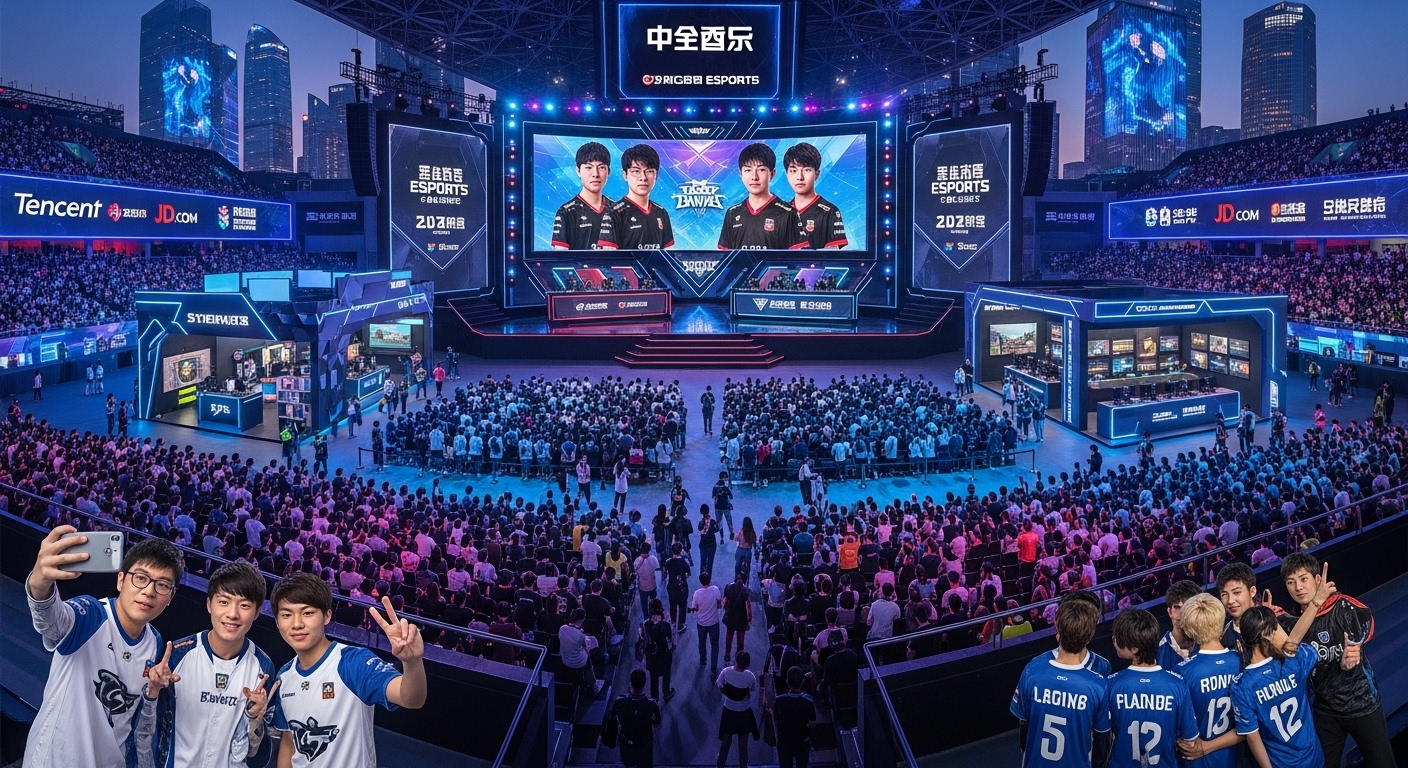
Esports has evolved into a multi-billion-dollar industry with a substantial international footprint. Asia, especially South Korea and China, leads in professional leagues, audience size, and infrastructure. North America and Europe contribute through organized tournaments, team management, and corporate sponsorships.
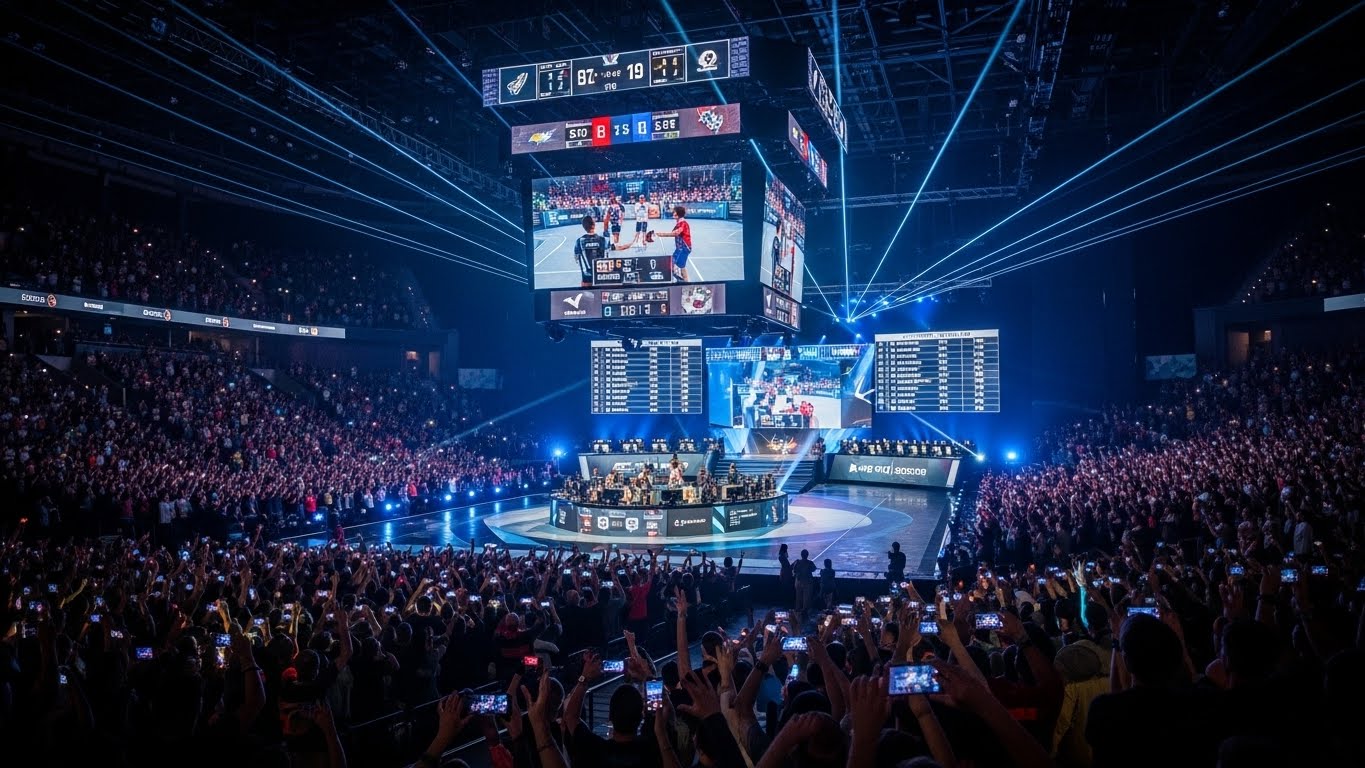
Major tournaments rival traditional sporting events in scale and production value. The Dota 2 International and League of Legends World Championship consistently offer multimillion-dollar prize pools and draw global viewership. Sponsorships from leading brands such as Intel, Coca-Cola, and Nike have further solidified esports’ economic viability.
Streaming platforms are central to esports’ success. Platforms like Twitch and YouTube Gaming provide live broadcasts, fan engagement, and monetization opportunities. Viewers worldwide can watch tournaments, interact with players and commentators, and participate in community events, making esports highly accessible.
Cultural Impact and Community Engagement
Esports has had a profound cultural impact. It has reshaped perceptions of gaming, transforming it into a respected form of competition and entertainment. Players, teams, and tournaments have become cultural icons, influencing fashion, music, and media.
Online communities play a vital role in esports. Fans connect through social media, forums, and live events, sharing experiences, discussing strategies, and celebrating achievements. These communities foster identity, engagement, and loyalty, comparable to traditional sports fandoms.
Esports has also entered educational institutions. Universities and schools now offer esports programs, scholarships, and organized teams. These initiatives formalize pathways for aspiring players and coaches, reinforcing esports’ legitimacy as both a career and academic pursuit.
Technology Driving Esports
Technology underpins every aspect of esports. High-performance hardware, fast internet connections, and advanced graphics engines enable competitive gameplay and immersive experiences. Streaming technology allows live broadcasts, real-time interaction, and global fan engagement.
Data analytics and artificial intelligence enhance professional play by providing insights into player performance, strategies, and opponent behavior. Virtual reality and augmented reality technologies promise to expand esports’ immersive potential, offering interactive experiences that blend the digital and physical worlds.
The continuous evolution of technology ensures esports remains innovative, dynamic, and engaging, contributing to its sustained growth and cultural significance.
Challenges Facing Esports
Despite its rapid expansion, esports faces challenges related to health, inclusivity, and sustainability. Mental and physical health concerns are significant for professional players who endure long hours of practice, high-pressure competition, and public scrutiny. Wellness programs, mental coaching, and structured schedules are being implemented to address these issues.
Diversity and inclusion remain important considerations. Efforts are underway to create equitable environments for women, minorities, and underrepresented groups. Ethical and regulatory concerns, including cheating, gambling, and fair play, require attention to maintain industry integrity.
Financial sustainability is another concern. While top players and teams earn substantial income, smaller organizations and amateur competitors often struggle. Equitable revenue structures and broader support mechanisms are needed to ensure the long-term health of the industry.
The Future of Esports
The future of esports is bright, with technology, innovation, and global connectivity driving continued growth. Virtual reality, augmented reality, and artificial intelligence will transform gameplay, spectatorship, and interaction. New genres, international tournaments, and cross-platform competitions will diversify the industry and attract broader audiences.
Esports is increasingly integrating with mainstream culture. It has the potential to appear in international multi-sport events, and educational programs continue to expand to nurture talent. Global connectivity ensures esports remains inclusive, accessible, and engaging to audiences around the world.
The combination of creativity, competition, and technology ensures esports will continue to shape the entertainment industry, influence digital culture, and provide professional opportunities for future generations.
Conclusion: Esports as a Cultural and Professional Force
Esports has grown from humble beginnings in arcades to a global, multi-billion-dollar industry. It is a professional ecosystem, a cultural phenomenon, and a form of competitive entertainment that captivates millions worldwide. Its growth demonstrates the power of technology, community, and creativity in redefining modern entertainment.
Professional players, fans, teams, and streaming platforms have transformed esports into a mainstream, respected, and influential industry. As it continues to evolve, esports will redefine competition, entertainment, and global engagement, securing its place as a defining force in the digital age.