In recent years, the world of esports has exploded into the mainstream, becoming a global spectacle that rivals traditional sports in both viewership and revenue. From humble beginnings in local LAN parties to massive online streams watched by millions, esports has evolved into a multi-billion-dollar industry with a dedicated fanbase. But how did esports grow from a niche hobby into a cultural and economic force? In this blog post, we’ll explore the rise of esports, the impact it’s having on entertainment, and what the future holds for competitive gaming.
The Origins of Esports
While competitive gaming has been around since the early days of video gaming, esports as we know it today began to take shape in the late 1990s and early 2000s. The advent of the internet and online multiplayer games opened up new possibilities for gamers to compete against each other on a global scale. The first major milestone in esports history was the launch of StarCraft, a real-time strategy game that became a major esport in South Korea. In the early 2000s, South Korea became the epicenter of esports, with television networks broadcasting StarCraft tournaments and professional players becoming national celebrities.
As broadband internet spread worldwide and games like Warcraft III, Counter-Strike, and League of Legends gained popularity, esports began to spread beyond South Korea. Major tournaments were held in other countries, with The International for Dota 2 and League of Legends World Championships becoming some of the most-watched events in the world. Esports was no longer just a niche interest—it had officially entered the mainstream.
The Growth of Esports: A Billion-Dollar Industry
The success of games like League of Legends, Counter-Strike: Global Offensive, and Fortnite has been instrumental in propelling esports into a billion-dollar industry. According to recent estimates, the global esports market is expected to surpass $1.5 billion by 2025, driven by revenue from sponsorships, media rights, merchandising, and ticket sales for live events. The industry has attracted major investments from corporations like Amazon, Tencent, and Google, which own or sponsor some of the biggest esports leagues and tournaments.
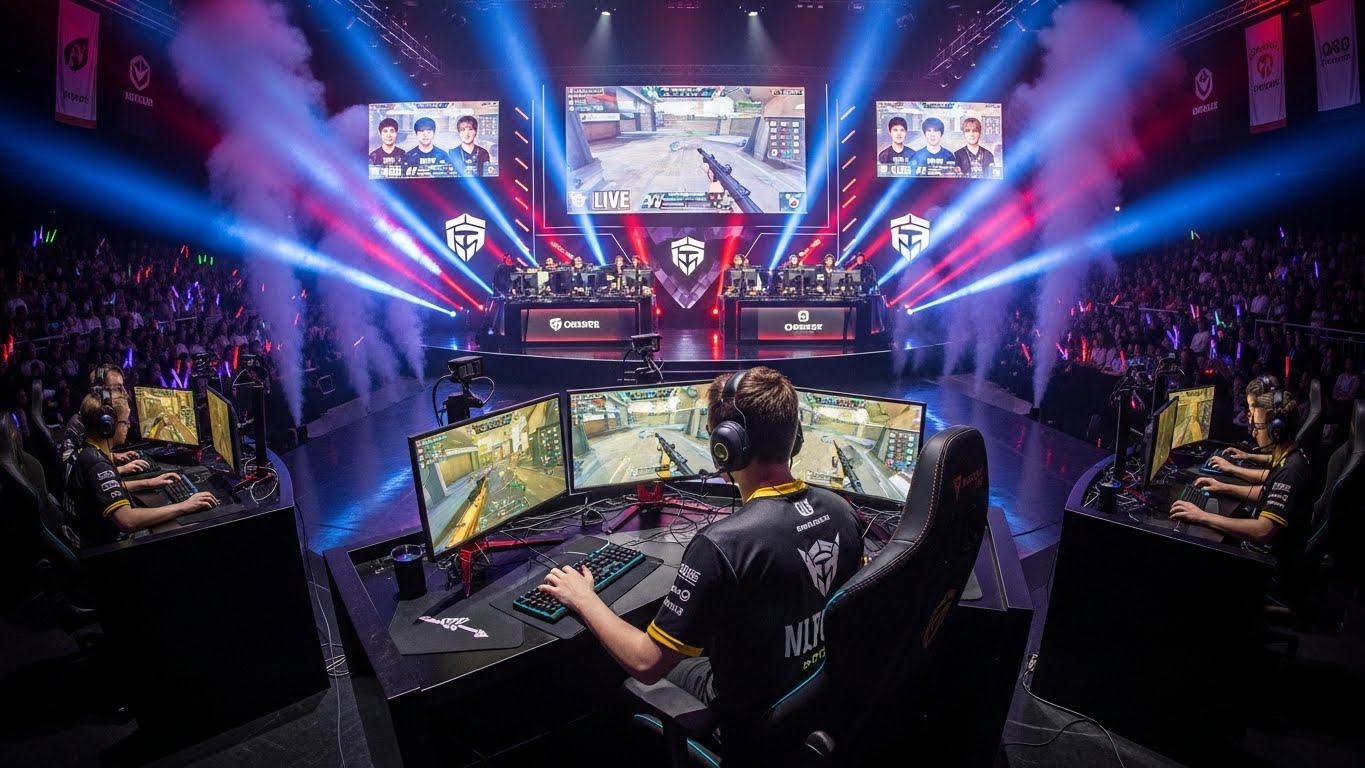
Esports has also benefited from the rise of digital platforms like Twitch and YouTube Gaming. These platforms allow players to stream their gameplay live, creating opportunities for fans to engage with their favorite gamers and teams in real-time. The accessibility of streaming has played a huge role in making esports an increasingly popular form of entertainment, drawing in millions of viewers each year. In fact, some esports events have even surpassed traditional sports broadcasts in terms of viewership, particularly in terms of global online audiences.
Esports as a Career Path
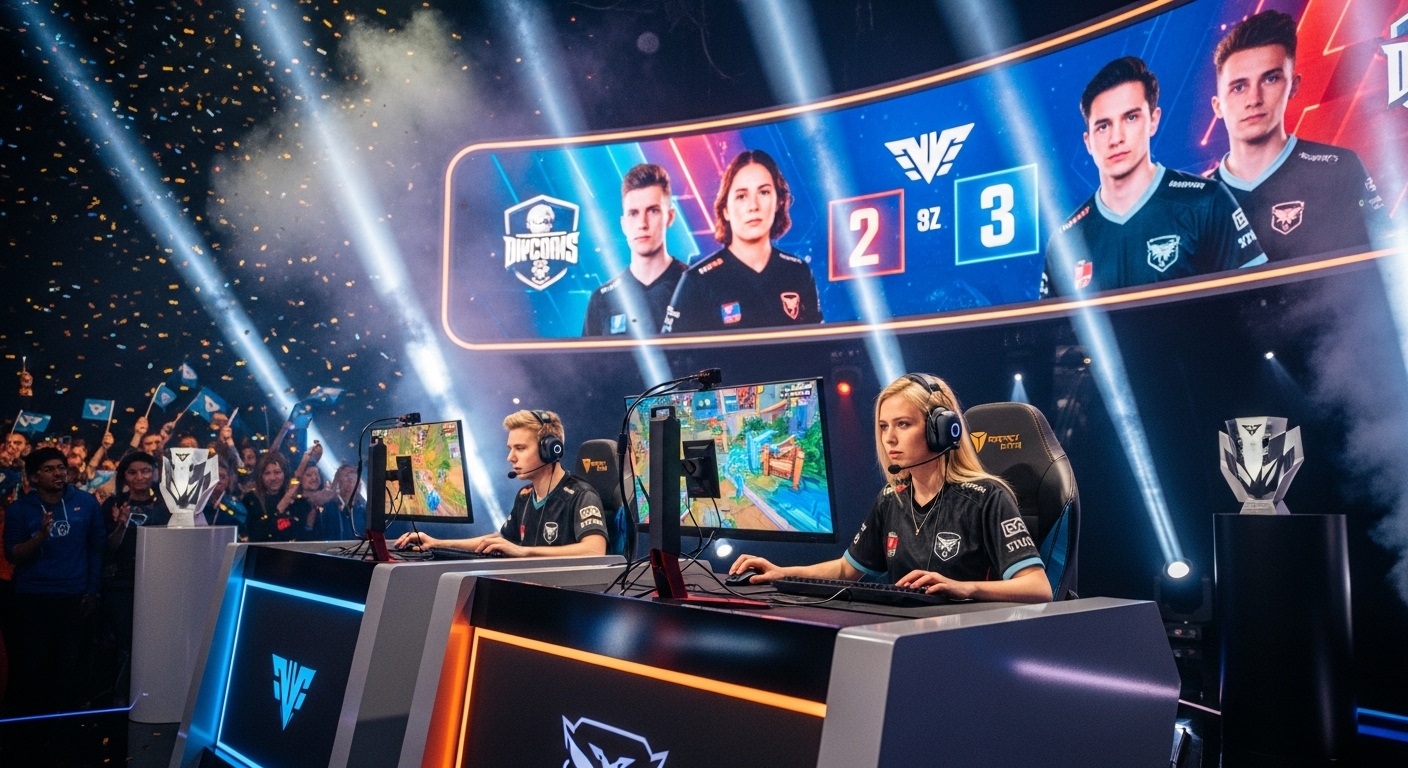
What was once considered a hobby or casual pastime is now a legitimate career path for many professional gamers. As esports has grown, so too has the demand for skilled players. Many esports athletes now compete full-time, training for hours each day to improve their skills and strategies. Professional esports players can earn impressive salaries, with top-tier players in games like League of Legends, Fortnite, and Dota 2 taking home six-figure earnings, often augmented by sponsorships, streaming income, and prize money from major tournaments.
Beyond players, the esports ecosystem has expanded to include coaches, analysts, commentators, and event organizers, all contributing to the professionalization of the industry. The rise of esports has also led to the creation of academic programs and scholarships for aspiring esports professionals. Universities around the world are now offering courses in esports management, game design, and even competitive gaming itself, providing students with the knowledge and skills they need to enter the industry.
Esports’ Cultural Impact
Esports’ impact extends far beyond the competitive gaming community. The rise of professional gaming has blurred the lines between traditional sports and digital entertainment, attracting mainstream attention from media outlets, celebrities, and brands. Companies in sectors such as technology, apparel, and food and beverage have recognized the power of esports and are increasingly sponsoring teams, tournaments, and events. Notable examples include partnerships with global brands like Coca-Cola, Intel, and Nike, all of whom have invested heavily in the esports ecosystem.
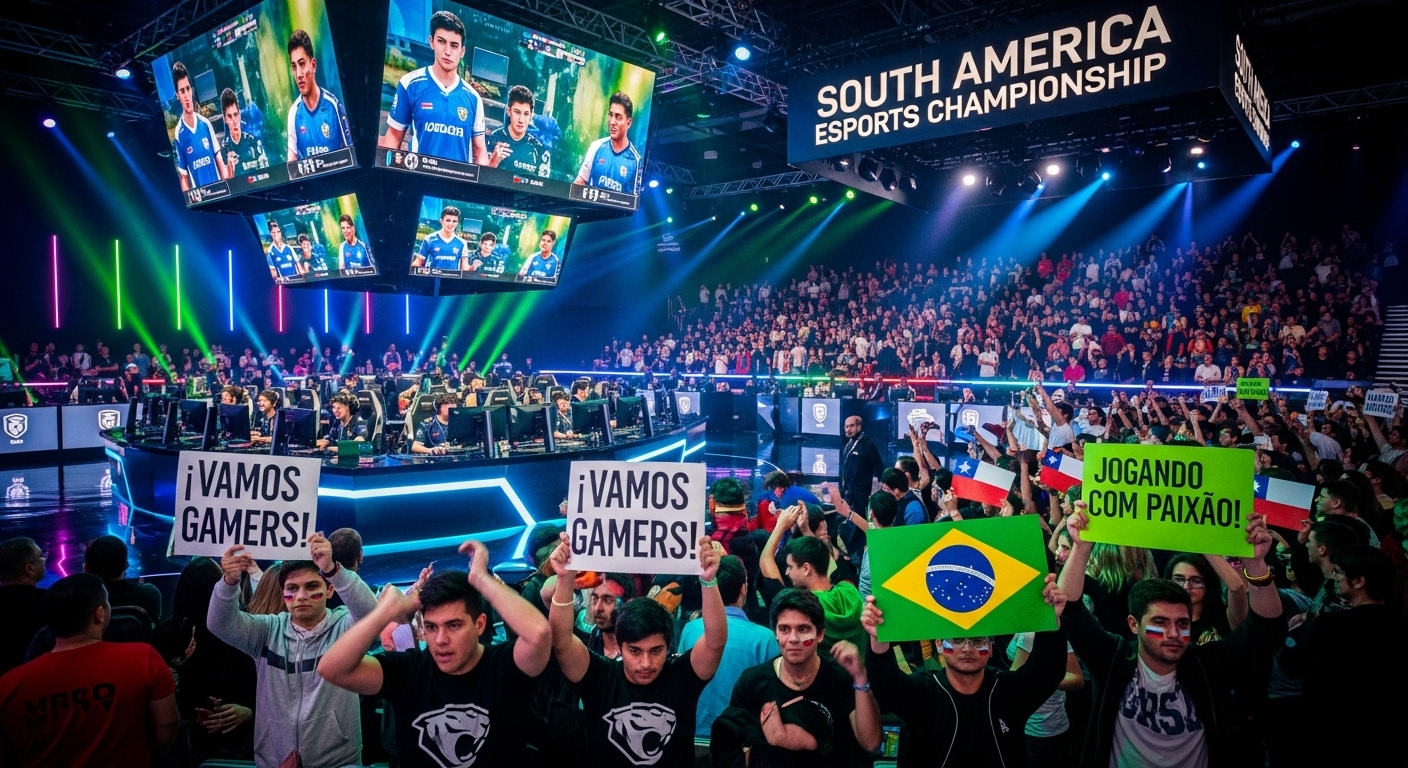
Esports has also become a cultural force, particularly among younger generations. Watching live streams, participating in online communities, and attending esports events has become a shared social experience for millions of fans worldwide. Platforms like Twitch and Discord allow fans to interact with players and other viewers, creating vibrant online communities where fans can discuss their favorite games, players, and teams. For many, esports is more than just a form of entertainment; it’s a lifestyle.
Challenges in the Esports Industry
Despite its rapid growth, the esports industry faces several challenges. One of the most pressing concerns is the mental and physical well-being of players. Competitive gaming often involves long hours of practice and intense concentration, which can lead to burnout, stress, and even injury. Players face pressure to perform at a high level, which can take a toll on their mental health. As the industry matures, there is an increasing recognition of the need for player welfare programs, including mental health support and physical training to prevent injuries like repetitive strain injuries (RSIs).
Another challenge is the need for regulation and standardization within the esports ecosystem. While many major tournaments are well-organized, the lack of a centralized governing body has led to inconsistencies in rules and player conduct across different leagues and regions. The need for clear and uniform standards will become more important as esports continues to grow and attract mainstream attention.
Additionally, esports still faces the challenge of accessibility and inclusivity. While esports has made strides in offering opportunities for players of all backgrounds, the industry is still predominantly male-dominated. There is a growing push to make the gaming community more inclusive by encouraging women and underrepresented groups to participate in esports both as players and as part of the broader esports ecosystem.
The Future of Esports: What Lies Ahead?
Looking toward the future, the esports industry shows no signs of slowing down. With advancements in technology, including virtual reality (VR) and augmented reality (AR), the potential for new forms of interactive gaming is enormous. These technologies could revolutionize the way esports competitions are held, offering more immersive and engaging experiences for both players and spectators.
The future of esports also includes a greater integration with traditional sports. Several major sports leagues, including the NBA and NFL, have already invested in esports, creating professional teams and leagues that bridge the gap between digital and physical competition. The possibility of esports being included in the Olympics has been discussed in recent years, and it’s not hard to imagine a future where competitive gaming is featured as an official Olympic sport.
In addition, as esports becomes more globalized, new regional markets are emerging, especially in countries with growing tech industries like China, India, and Brazil. These regions represent untapped potential for the expansion of esports, both in terms of viewership and talent.
Conclusion: Esports is Here to Stay
Esports has evolved from a niche hobby to a global entertainment powerhouse, capturing the hearts of millions of fans worldwide. It has transformed gaming into a legitimate career path, created new opportunities for businesses and brands, and reshaped the way we think about sports and entertainment. As the industry continues to grow, it will no doubt face challenges, but its future looks brighter than ever. Whether you’re a casual player, a competitive gamer, or a dedicated fan, one thing is certain: esports is here to stay, and it’s only going to get bigger and more exciting in the years to come.