Introduction: The Unexpected Rise of Esports
In the last two decades, esports has surged from a niche activity enjoyed by small communities to a global, multi-billion-dollar industry. Once considered just an online pastime for a select group of gamers, esports now commands the attention of millions of fans, players, and investors worldwide. With its roots deeply embedded in competitive video gaming, esports has grown far beyond its initial origins to become a cultural force. From professional leagues to massive tournaments with multimillion-dollar prize pools, esports has established itself as a legitimate and thriving sector in the world of entertainment.
This blog post takes a closer look at how esports came to be, the factors driving its growth, and the challenges the industry faces as it continues to evolve. By the end, you’ll see just how esports has revolutionized the way we perceive both gaming and competition on the global stage.
A Glimpse into the Past: The Origins of Competitive Gaming
The history of esports begins long before the term “esports” was even coined. Competitive gaming can be traced back to the 1970s and 1980s, when arcade games like Pong and Space Invaders became popular. These games sparked the first competitive events, albeit on a very small scale. Players would compete for the highest score, and although these competitions lacked the structure and recognition of modern-day esports, they set the stage for what was to come.
As personal computers and consoles became more powerful in the 1990s, multiplayer gaming emerged as a viable option. Games like Quake and StarCraft gave rise to online gaming, where players could face off against each other over local area networks (LAN) or the internet. However, it wasn’t until the early 2000s, with the advent of faster internet connections and more sophisticated game designs, that competitive gaming began to gain real traction.
The Growth of Esports in the 2000s
The real turning point for esports came in the 2000s with the release of groundbreaking multiplayer online games like Warcraft III, Counter-Strike, and League of Legends. These games were designed specifically with competitive play in mind, featuring team-based strategies, complex mechanics, and opportunities for high-level competition.
As these games grew in popularity, so did the idea of esports tournaments. Games like StarCraft in Korea, for instance, gave rise to televised esports events that attracted millions of viewers. The Korean professional gaming scene was the first to truly formalize competitive gaming, establishing the structure for larger-scale esports competitions worldwide. The rise of streaming platforms, especially Twitch, also played a crucial role in esports’ growth by allowing gamers to broadcast their gameplay to a global audience.
In this period, companies like Blizzard, Riot Games, and Valve began investing heavily in organizing and promoting esports tournaments. Prize pools grew, and the level of competition became more intense. Professional players and teams emerged, and sponsors started to notice the potential of esports as a marketing tool.
The Boom: Esports Becomes a Global Industry
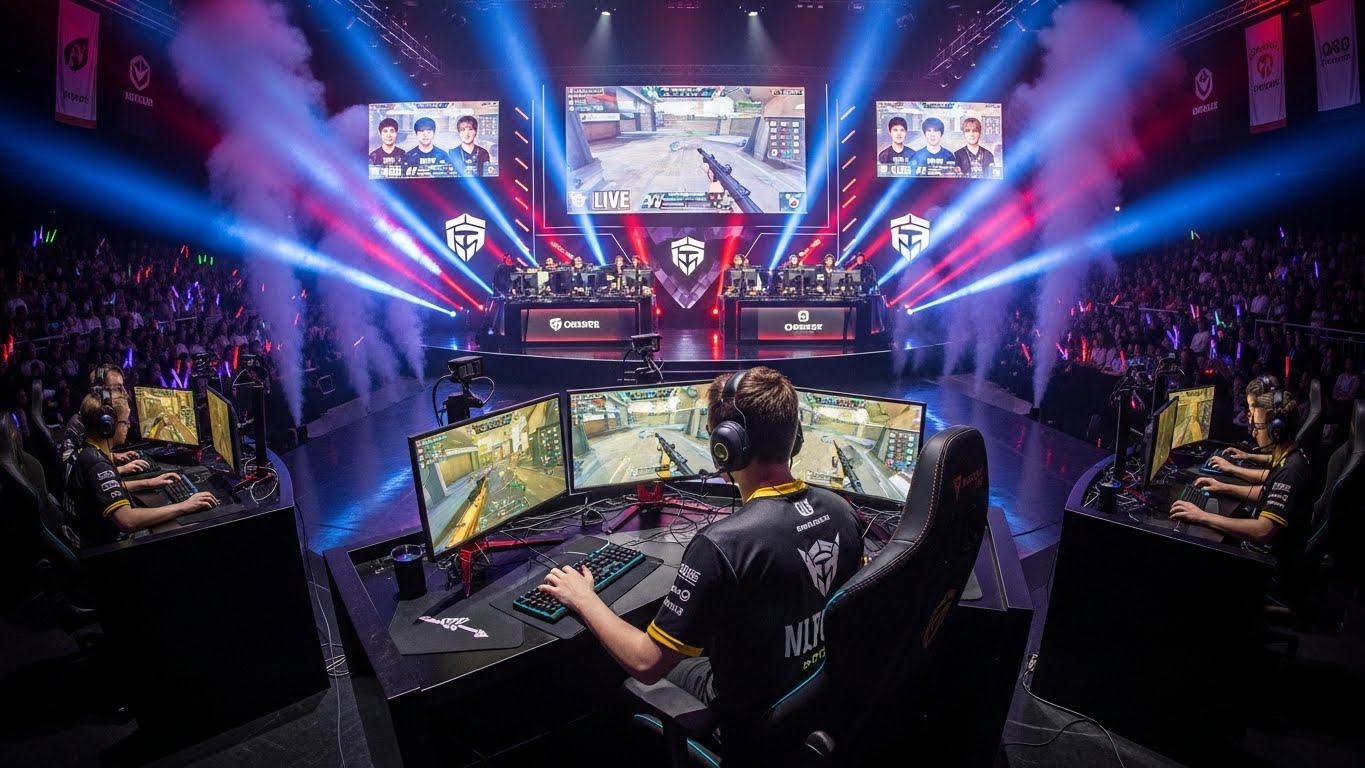
Fast forward to today, and esports has become a multi-billion-dollar industry. What was once a small subculture is now a global phenomenon that attracts audiences comparable to major traditional sports leagues like the NFL and NBA. Major esports tournaments, such as The International (Dota 2’s championship event) and the League of Legends World Championship, feature prize pools that can exceed $30 million, and viewers watch online and in arenas around the world.
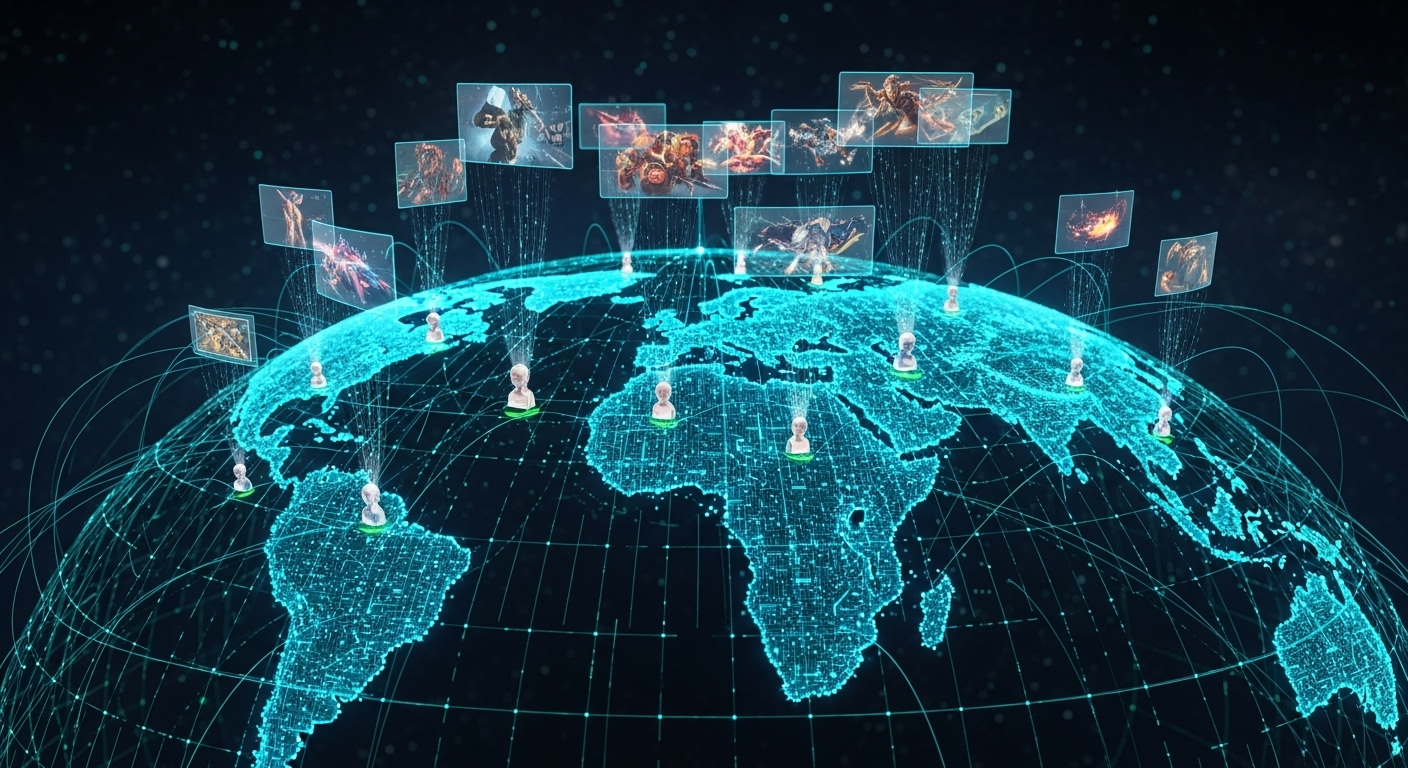
The rapid growth of esports can be attributed to several factors. First, the accessibility of gaming has never been higher. With the proliferation of smartphones, gaming consoles, and high-speed internet, players from virtually every corner of the globe can participate in esports. The ease of access has led to a diverse player base, and the international nature of these games allows for worldwide competition and fan engagement.
Additionally, esports is attractive to a younger demographic, with many fans being in the 18-34 age range. This demographic is more likely to engage with online content and is highly active on social media and streaming platforms. Brands see this audience as valuable, and as a result, sponsorship deals, advertising revenue, and merchandise sales have skyrocketed. Companies like Coca-Cola, Intel, and Nike have jumped on board, partnering with esports organizations and tournaments to tap into this lucrative market.
Esports as a Professional Career
One of the most significant changes brought about by esports is the emergence of professional players. In the past, gaming was largely seen as a hobby, but with the rise of esports, playing video games at a professional level has become a viable career path for talented individuals. Professional esports players can earn substantial salaries through tournament winnings, sponsorships, streaming revenue, and content creation.
In many ways, esports players are similar to traditional athletes. They practice for hours every day, refining their skills and strategies. Just like a football or basketball player, an esports player must maintain peak mental and physical condition to compete at the highest level. Training often includes not only gameplay practice but also team-building, studying opponents, and developing communication strategies with teammates.
Esports organizations also play a key role in professionalizing the scene. Teams like Team Liquid, Cloud9, and Fnatic have established themselves as major esports brands, with full rosters of professional players, coaches, analysts, and managers. These organizations provide the infrastructure and support necessary for players to succeed, including dedicated training facilities and mental health professionals to deal with the stress and pressure of professional competition.
The Esports Audience: The New Age of Spectatorship
The audience for esports is another critical factor in its explosive growth. Unlike traditional sports, esports can be broadcast and streamed online, opening up opportunities for fans to watch their favorite players and teams from anywhere in the world. Platforms like Twitch, YouTube, and Facebook Gaming have become the go-to destinations for fans looking to watch live streams, highlight videos, and commentary on esports events.
Esports tournaments are also increasingly broadcast on traditional TV networks. In some cases, networks like ESPN and TBS have aired esports tournaments, bringing competitive gaming into the mainstream. This increased visibility has made esports even more appealing to sponsors, advertisers, and media companies looking to connect with younger audiences.
Esports fans are incredibly dedicated, with some watching multiple hours of content each day. Many fans form strong emotional connections with players and teams, much like traditional sports fans. This sense of community and shared enthusiasm for esports has helped create a vibrant fan culture, with dedicated subreddits, Discord servers, and fan conventions where like-minded individuals can meet and celebrate their passion for competitive gaming.
Esports and Its Cultural Impact
Beyond its role as a form of entertainment, esports has had a broader cultural impact. Video games, once seen as a solitary activity, have become a social platform where people can connect, collaborate, and compete. Gaming has evolved into a shared experience, and esports has become a way for people to come together, either online or in-person, to celebrate their love of games.
Esports has also influenced other industries. For example, fashion brands have begun to collaborate with esports teams and players, creating jerseys, apparel, and merchandise that resonate with gaming culture. Music and esports have intersected, with major artists performing at tournaments or partnering with brands for promotional events. The world of esports has become a cultural touchstone that speaks to the values of creativity, competition, and digital connection.
Challenges Facing Esports
Despite its rapid growth, esports faces several challenges. One of the most significant is the issue of player burnout. Many professional gamers train for 10-12 hours a day, which can take a toll on their physical and mental health. The pressure to maintain peak performance over an extended period can lead to stress, anxiety, and even early retirement for some players.
Another challenge is the issue of cheating and match-fixing. While esports games are generally played in highly regulated environments, cheating remains a persistent problem, particularly in online tournaments. Developers and tournament organizers continually implement new anti-cheat measures, but the arms race between cheaters and regulators is ongoing.
Lastly, the question of sustainability remains. As with any rapidly growing industry, esports faces uncertainty about its long-term viability. Ensuring fair revenue distribution, maintaining fan engagement, and keeping the competitive integrity of the games intact will be crucial for the future of the industry.
The Future of Esports: What’s Next?
The future of esports is bright, but it also holds plenty of unknowns. The potential for esports to expand into new markets, especially in Asia, Latin America, and Africa, is vast. The continued growth of streaming platforms, mobile gaming, and virtual reality could open new avenues for competition and viewing.
Additionally, the integration of esports with traditional sports is becoming more apparent. We may see esports events held in major stadiums alongside traditional sporting events, or even the development of hybrid leagues that feature both physical and virtual competition.
One thing is clear: esports is here to stay. With its rapid growth, professionalization, and expanding global reach, esports will continue to shape the future of both gaming and entertainment for years to come.
Conclusion: The Age of Esports Has Arrived
Esports has come a long way since its humble beginnings. From local LAN parties to global tournaments with millions in prize money, the esports industry has firmly established itself as one of the most dynamic and rapidly growing sectors in the world. With its passionate fanbase, global appeal, and professional infrastructure, esports has successfully transcended its gaming roots to become a cultural phenomenon.
As the industry continues to evolve, there is no telling just how far esports can go. But one thing is certain: the future of competitive gaming is bright, and its influence on entertainment and culture will only continue to grow.