Introduction: From Bedrooms to Big Arenas
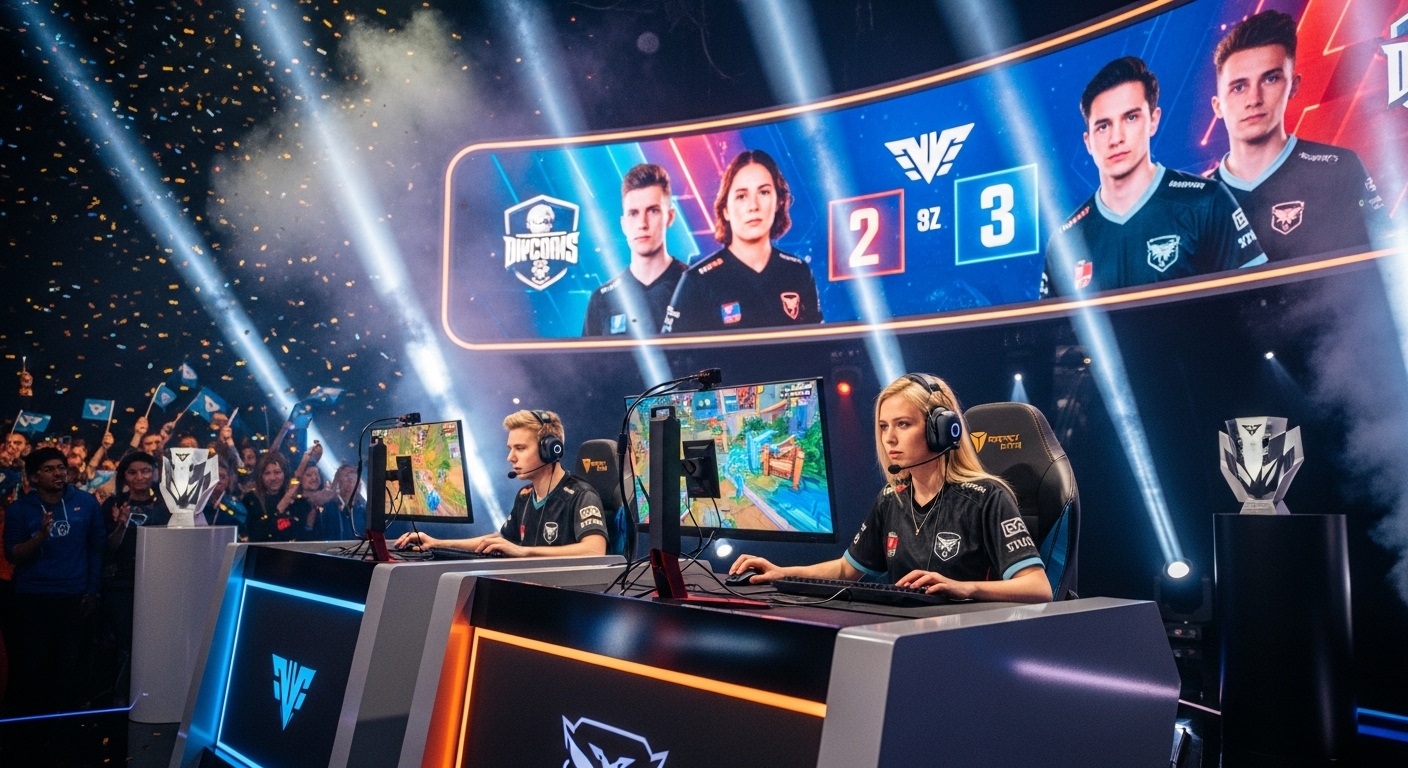
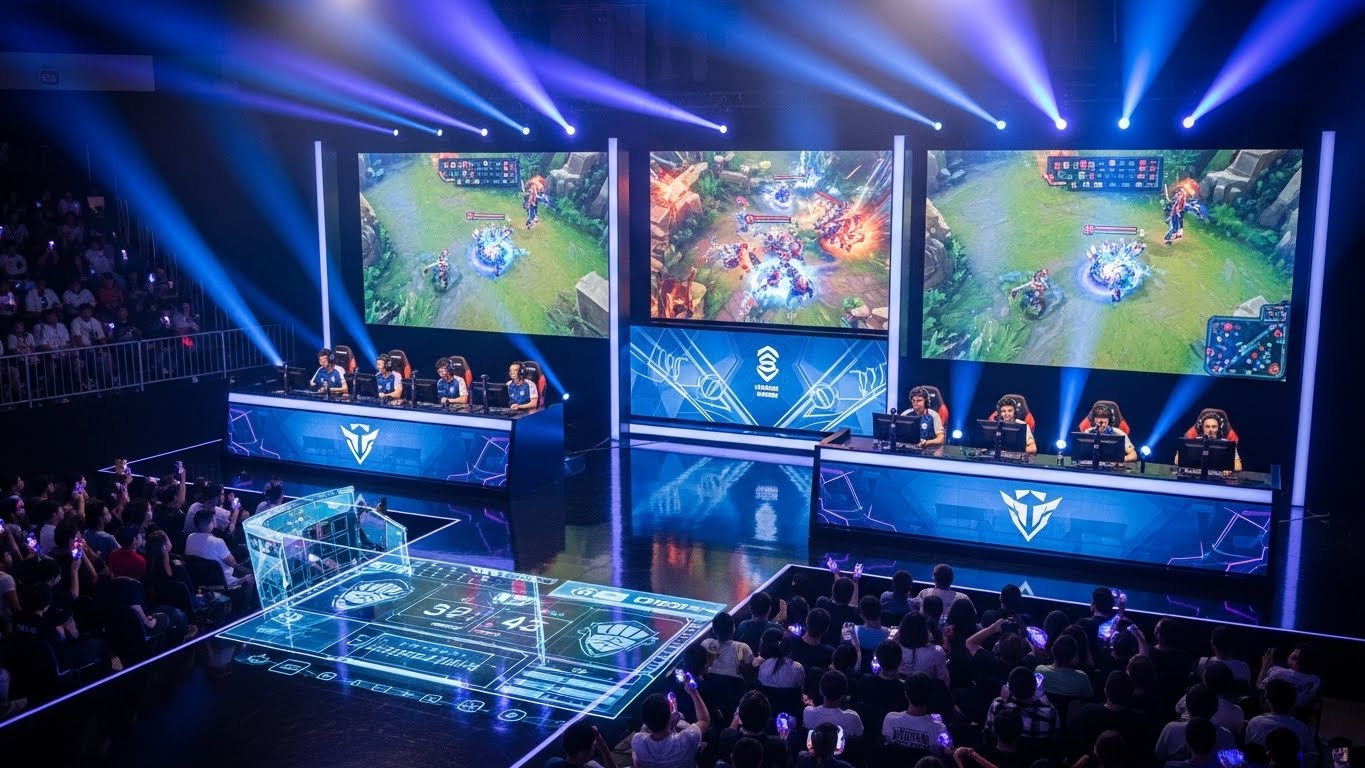
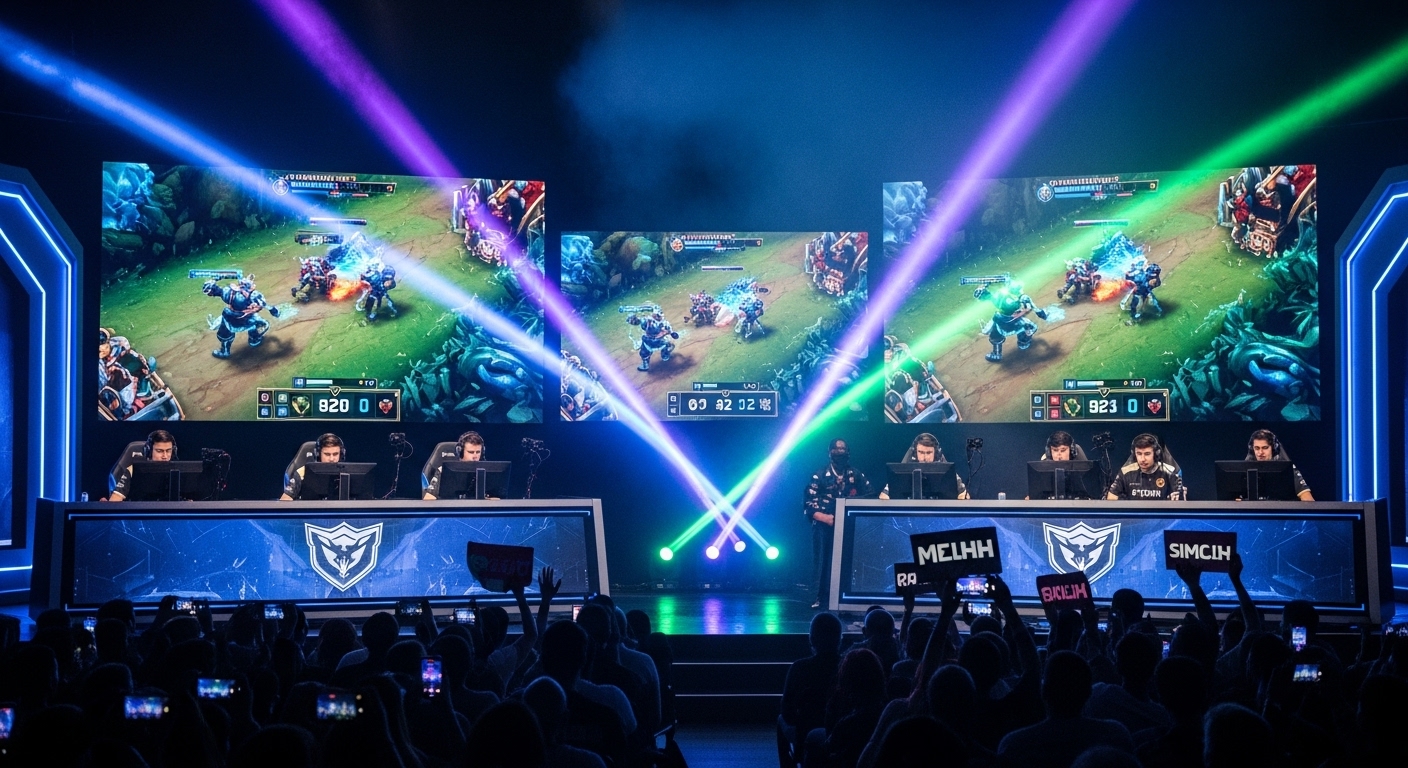
Esports, once considered a niche hobby confined to bedrooms and internet cafés, has evolved into a global sporting and entertainment industry. What started as casual competition among friends has transformed into professionally organized tournaments filling massive arenas and attracting millions of online viewers. Today, esports stands shoulder to shoulder with traditional sports in terms of viewership, revenue, and cultural influence. This blog explores how esports grew, why it resonates so strongly with the modern generation, and what the future holds for this digital sporting revolution.
The Early Roots of Competitive Gaming
The foundation of esports can be traced back to the late twentieth century when video games first became competitive. Early arcade tournaments and local competitions set the stage for organized play. Games were simple by today’s standards, yet the competitive spirit was already strong. As home consoles and personal computers became more accessible, multiplayer gaming expanded beyond physical locations, allowing players to compete across cities and countries.
The real shift came with the rise of the internet. Online connectivity allowed competitive gaming to flourish, turning casual play into structured competition. Players could now practice regularly, analyze strategies, and face opponents from around the world. This connectivity laid the groundwork for the esports ecosystem we know today.
The Evolution into a Professional Industry
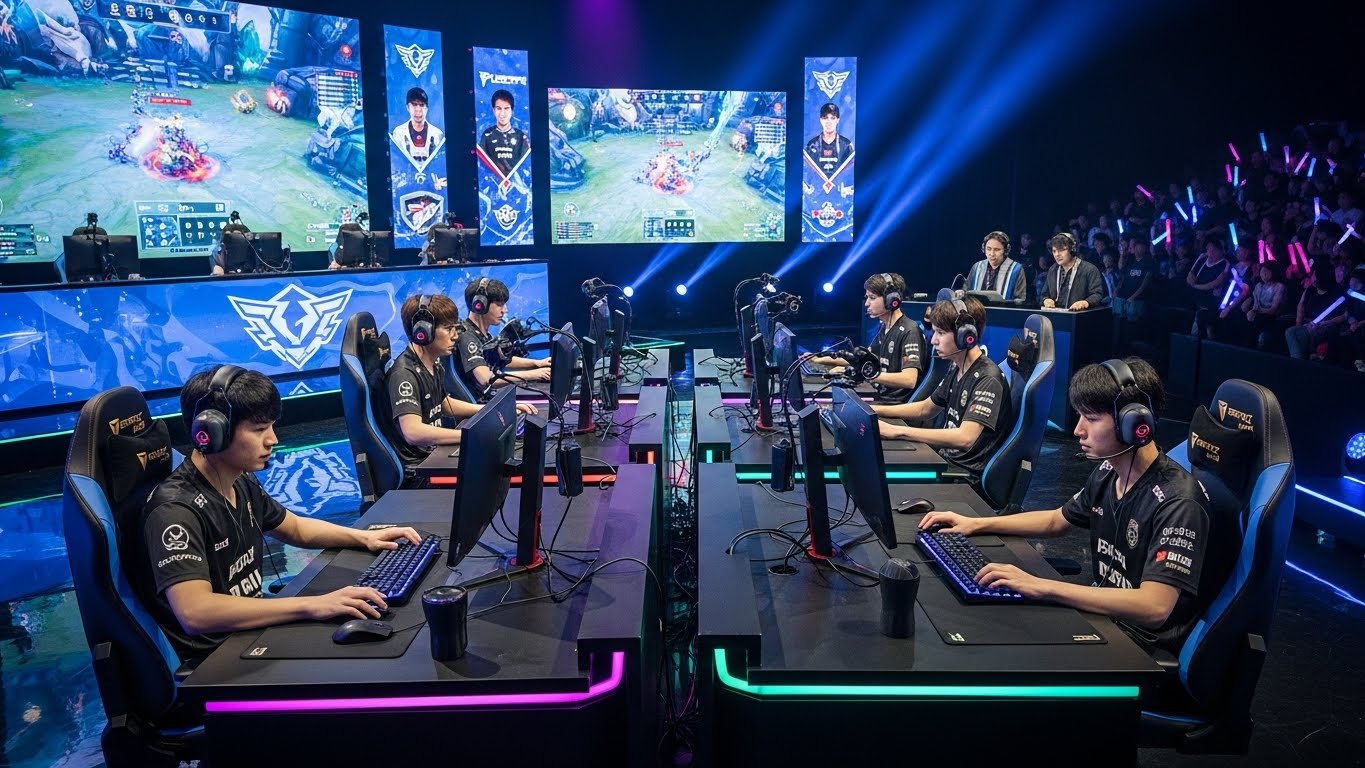
Esports truly began to resemble a professional sport when structured leagues, sponsorships, and prize pools emerged. Game developers started supporting competitive scenes by organizing official tournaments and balancing games for fair play. Teams formed with dedicated roles, coaches, analysts, and managers, mirroring traditional sports organizations.
Professional players began training for hours each day, focusing not only on mechanics but also on strategy, teamwork, and mental resilience. Salaries, contracts, and transfer windows became common, further legitimizing esports as a career path. This professionalization attracted investors, brands, and media companies, accelerating growth on a global scale.
Why Esports Connects with the Digital Generation
One of the key reasons esports has grown so rapidly is its deep connection with the digital generation. Unlike traditional sports, esports emerged alongside modern technology, social media, and streaming platforms. Fans can interact directly with players, watch live competitions, and engage in online communities at any time.
Esports is also more accessible. Anyone with a gaming device and internet connection can participate, practice, and potentially rise through the ranks. This inclusivity allows fans to feel personally connected to the competition. Many viewers play the same games they watch, creating a unique bond between audience and athletes.
Popular Esports Genres and Their Appeal
Esports is not a single game or genre but a diverse ecosystem of competitive experiences. First-person shooters emphasize precision, reflexes, and teamwork. Strategy-based games reward planning, adaptability, and long-term thinking. Sports simulations replicate real-world athletics, while fighting games focus on individual skill and mind games.
This diversity ensures that esports appeals to a wide audience. Different genres attract different types of players and fans, yet all share a competitive core. The variety also allows esports to continuously evolve, with new titles entering the scene and refreshing the competitive landscape.
The Role of Streaming and Community
Streaming has been a crucial factor in the success of esports. Live broadcasts allow fans to watch matches in real time, often with commentary that explains strategies and highlights key moments. Beyond professional tournaments, players stream practice sessions, casual matches, and personal content, building strong personal brands.
Communities form around teams, players, and games, creating a sense of belonging. Fans discuss strategies, celebrate victories, and analyze losses together. This constant interaction keeps esports alive even outside of major tournaments and strengthens loyalty among viewers.
Economic Impact and Career Opportunities
Esports is no longer just about playing games. The industry supports a wide range of careers, including coaching, event management, broadcasting, marketing, content creation, and game development. Universities now offer scholarships and programs related to esports, recognizing its educational and economic potential.
The financial impact is significant. Sponsorships, merchandise, ticket sales, and media rights contribute to a growing market. Cities hosting major tournaments benefit from tourism and international exposure. For many regions, esports has become an important part of the digital economy.
Challenges Facing the Esports Industry
Despite its success, esports faces several challenges. Player burnout is a serious concern due to long practice hours and intense competition. Maintaining fair play is another issue, as cheating and performance-enhancing methods can undermine integrity. Additionally, the industry must address inclusivity, ensuring opportunities regardless of gender, background, or location.
Regulation remains inconsistent across regions, making it difficult to establish universal standards. As esports continues to grow, finding solutions to these challenges will be essential for long-term sustainability.
Esports and Traditional Sports: Competition or Collaboration
Rather than replacing traditional sports, esports often complements them. Many traditional sports organizations have invested in esports teams, recognizing the opportunity to reach younger audiences. Skills such as teamwork, discipline, and strategic thinking are common to both worlds.
Esports also introduces new forms of athleticism. While physical exertion differs, the mental intensity, reaction speed, and coordination required are undeniable. This has sparked ongoing debate about how society defines sports, pushing boundaries and expanding perspectives.
The Future of Esports
The future of esports looks promising and dynamic. Advances in technology such as virtual reality and augmented reality may create entirely new competitive experiences. Improved infrastructure will make high-level competition more accessible worldwide. As audiences continue to grow, esports may become a regular feature in mainstream media and global sporting events.
Education and grassroots development will likely play a bigger role, nurturing young talent and promoting healthy gaming habits. With continued innovation and responsible growth, esports has the potential to shape the future of entertainment and competition.
Conclusion: A New Era of Competition
Esports represents more than just games on a screen. It is a cultural movement that reflects how technology, competition, and community intersect in the modern world. From humble beginnings to global stages, esports has proven its ability to adapt, inspire, and unite millions of people.
As it continues to evolve, esports challenges traditional ideas of sport while creating opportunities for players, fans, and industries alike. The journey from pixels to podiums is far from over, and the next chapter of esports promises to be even more exciting than the last.