Introduction: From Hobby to Global Phenomenon
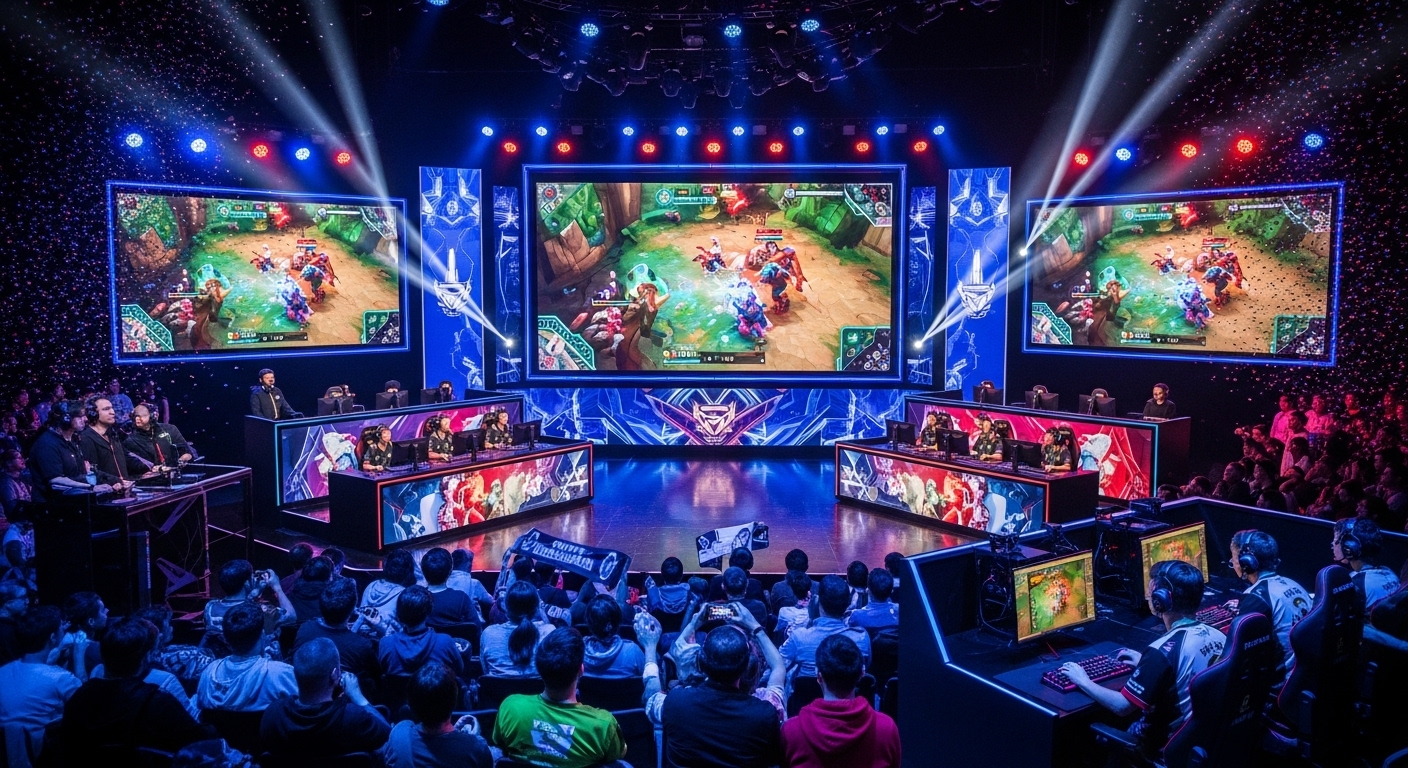
Esports, or competitive video gaming, has evolved from a niche pastime into a global phenomenon that captivates millions of players and spectators around the world. Once considered a casual activity for gaming enthusiasts, esports has grown into a professional industry complete with leagues, tournaments, sponsorships, and celebrity gamers. It is a world where strategy, precision, teamwork, and mental acuity converge to create thrilling competitive experiences.
The growth of esports reflects the broader influence of digital technology on entertainment and social interaction. Unlike traditional sports, esports does not require physical athleticism, but it demands intense focus, coordination, and dedication. Professional players spend hours each day refining their skills, analyzing gameplay, and collaborating with their teams, proving that success in esports requires discipline as rigorous as that in conventional sports.
The Origins and Evolution of Esports
The roots of esports can be traced back to the early days of video gaming in the 1970s and 1980s. Some of the first recorded competitions involved games like Spacewar and Pong, where small communities of enthusiasts competed for recognition and small prizes. By the 1990s, with the proliferation of personal computers and the internet, competitive gaming began to take shape in a more organized form. Titles such as StarCraft, Quake, and Counter-Strike became staples of the competitive scene, attracting passionate players from around the globe.
The rise of online multiplayer gaming transformed esports into a truly international phenomenon. Gamers could now compete across continents, sharing strategies and building communities. By the 2000s, professional teams and leagues began forming, supported by sponsorships and organized events. The introduction of streaming platforms in the 2010s, allowing fans to watch live competitions in real-time, elevated esports to mainstream entertainment, creating a new generation of digital celebrities.
Popular Esports Genres and Titles
The world of esports encompasses a wide range of genres, each appealing to different types of players and audiences. Multiplayer online battle arena games, or MOBAs, such as League of Legends and Dota 2, emphasize strategic teamwork and complex decision-making. First-person shooters like Counter-Strike: Global Offensive, Valorant, and Call of Duty reward players with quick reflexes, accuracy, and tactical awareness. Real-time strategy games challenge players to make rapid, calculated decisions under pressure, while sports simulation games like FIFA and NBA 2K translate traditional athletic competitions into the digital realm.
Each genre fosters a unique culture and community. Fans are drawn not only to the gameplay but also to the personalities of professional players, the drama of tournaments, and the excitement of live events. This diversity ensures that esports can cater to a wide audience, from casual viewers to dedicated competitive fans.
The Economic Impact of Esports
Esports has grown into a billion-dollar industry, generating revenue through multiple streams including sponsorships, advertising, merchandise, ticket sales, and media rights. Large-scale tournaments offer prize pools that reach tens of millions of dollars, reflecting the increasing commercial investment in the sector. Corporate brands recognize esports as a powerful marketing platform, engaging a young, tech-savvy, and highly engaged audience.
Beyond players, the esports industry has created jobs in coaching, analysis, content creation, event management, and broadcasting. Universities and schools have even started offering esports scholarships, providing education and career opportunities in a field previously considered unconventional. This growth demonstrates that esports is more than a form of entertainment; it is a legitimate career pathway for many individuals.
The Global Influence of Esports
One of esports’ most remarkable features is its global accessibility. Unlike many traditional sports, esports can be played anywhere with a computer, console, and internet connection, opening the field to players from all over the world. Countries such as South Korea have become hubs of professional esports, producing players who achieve celebrity status and are celebrated nationwide. China, the United States, and several European nations have heavily invested in esports infrastructure, recognizing the cultural and economic potential of competitive gaming.
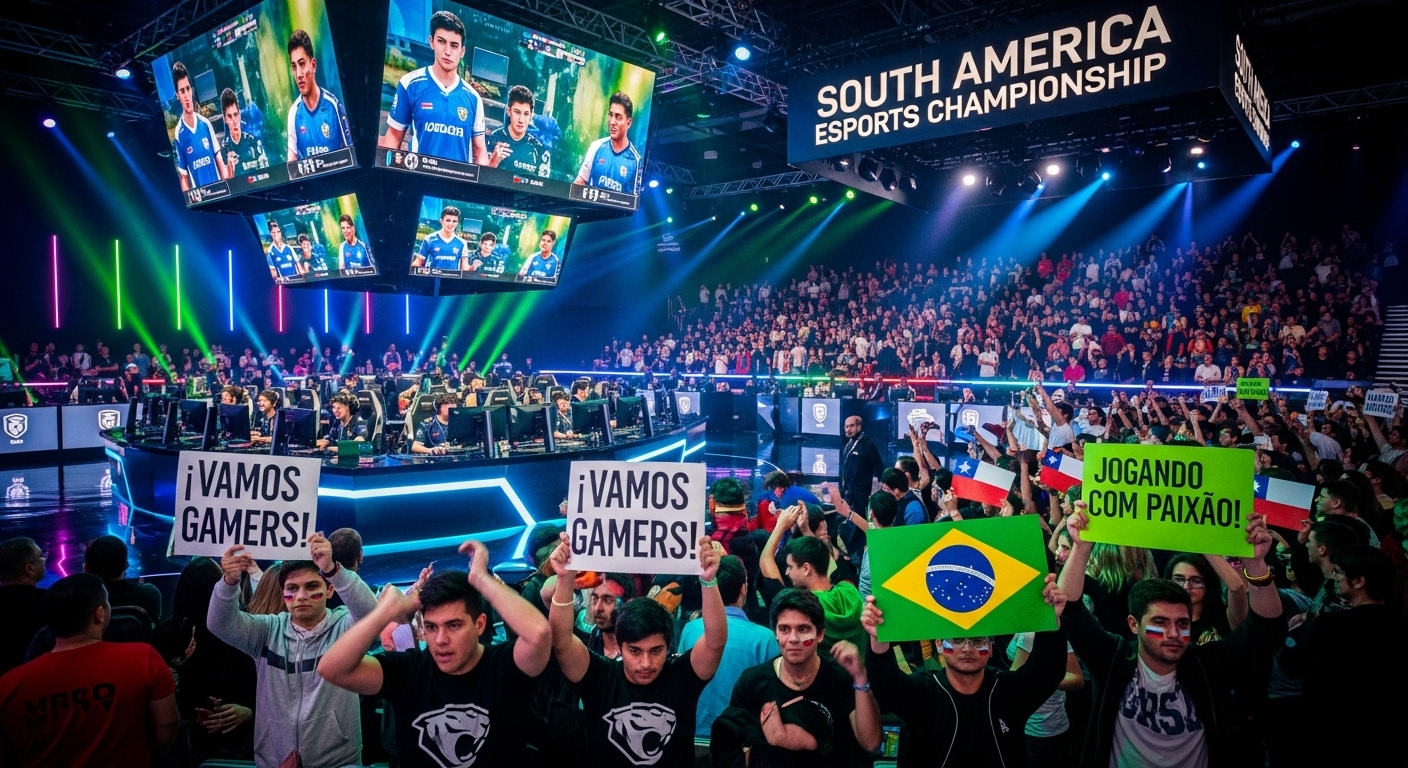
International tournaments attract millions of viewers, and streaming platforms allow fans to interact with players in real-time. Esports has fostered a sense of global community, connecting people across borders and cultures through shared passion for gaming.
Technological Advancements Driving Esports
Technology is at the heart of esports, enabling high-performance gameplay, streaming, and audience engagement. Powerful computers, consoles, and peripherals allow players to perform at the highest levels, while streaming platforms provide real-time interaction between fans and professionals. Advances in graphics, artificial intelligence, and networking have made competitive gaming more immersive and accessible.
Data analytics also plays a crucial role. Teams use statistical insights to study opponents, refine strategies, and enhance player performance. Emerging technologies like virtual reality and augmented reality are starting to create new ways to experience esports, making it even more engaging for spectators and players alike.
Challenges in the Esports Industry
Despite its rapid growth, esports faces several significant challenges. Professional players often experience intense pressure, leading to mental health issues such as stress, anxiety, and burnout. Long hours of practice can also result in physical strain and repetitive injuries. As a result, organizations are increasingly implementing wellness programs and support systems for players.
Regulation is another challenge. Unlike traditional sports with established governing bodies, esports is fragmented across multiple titles, publishers, and leagues. This fragmentation can result in inconsistent rules, disputes over player contracts, and issues with fair play. The industry also struggles with problems such as cheating, match-fixing, and toxic online communities, which can hinder its credibility and long-term growth.
Cultural Significance of Esports
Esports has had a profound impact on modern culture, shaping entertainment, media, and education. Professional players and content creators have become mainstream celebrities, influencing trends and inspiring younger generations. Events, conventions, and fan gatherings celebrate gaming culture, fostering communities centered around shared passions.
Esports also challenges conventional ideas about sports. Critics argue that it lacks physicality, but the combination of skill, strategy, and mental endurance required to excel at esports is undeniable. Today, many countries officially recognize esports as a sport, legitimizing its place in mainstream society and acknowledging the dedication of its players.
The Future of Esports
The future of esports is filled with promise. Advances in technology such as cloud gaming, virtual reality, and artificial intelligence are likely to reshape the competitive landscape. Mobile esports is expanding rapidly, making competitive gaming accessible to even broader audiences.
Educational and professional opportunities in esports will continue to diversify. Programs in game design, marketing, event management, and sports psychology are becoming increasingly common. As esports integrates more closely with mainstream media, partnerships with entertainment, fashion, and music industries will further expand its reach.
Virtual tournaments and cross-platform competitions suggest that esports will continue breaking down barriers, allowing global audiences to participate and engage in ways traditional sports cannot. Its adaptability, inclusivity, and digital-first approach ensure that esports will remain relevant in the years to come.
Conclusion: Esports as a Transformative Force
Esports is more than a form of entertainment; it is a transformative cultural and economic force. From its humble beginnings as casual gaming competitions to its current status as a billion-dollar global industry, esports demonstrates the power of technology and human creativity. It has redefined what it means to compete, combining skill, strategy, and mental discipline in unprecedented ways.
For players, esports offers a professional career and a platform for global recognition. For fans, it provides immersive experiences, community engagement, and entertainment that rivals traditional sports. As technology evolves and audiences grow, esports will continue to push boundaries, reshaping the future of competition and entertainment. In the modern digital era, esports is not just a game—it is a global stage where passion, skill, and innovation intersect.