Introduction: The Rise of Esports
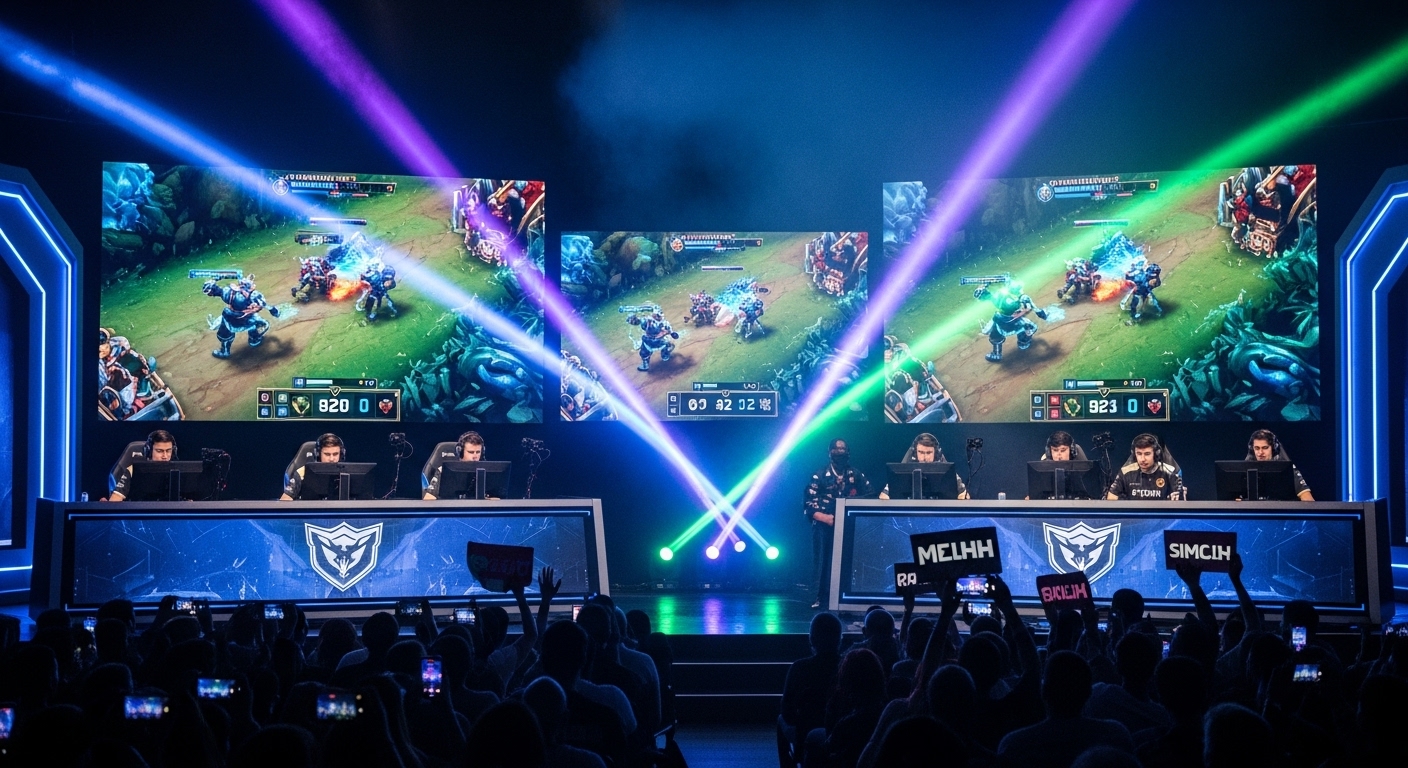
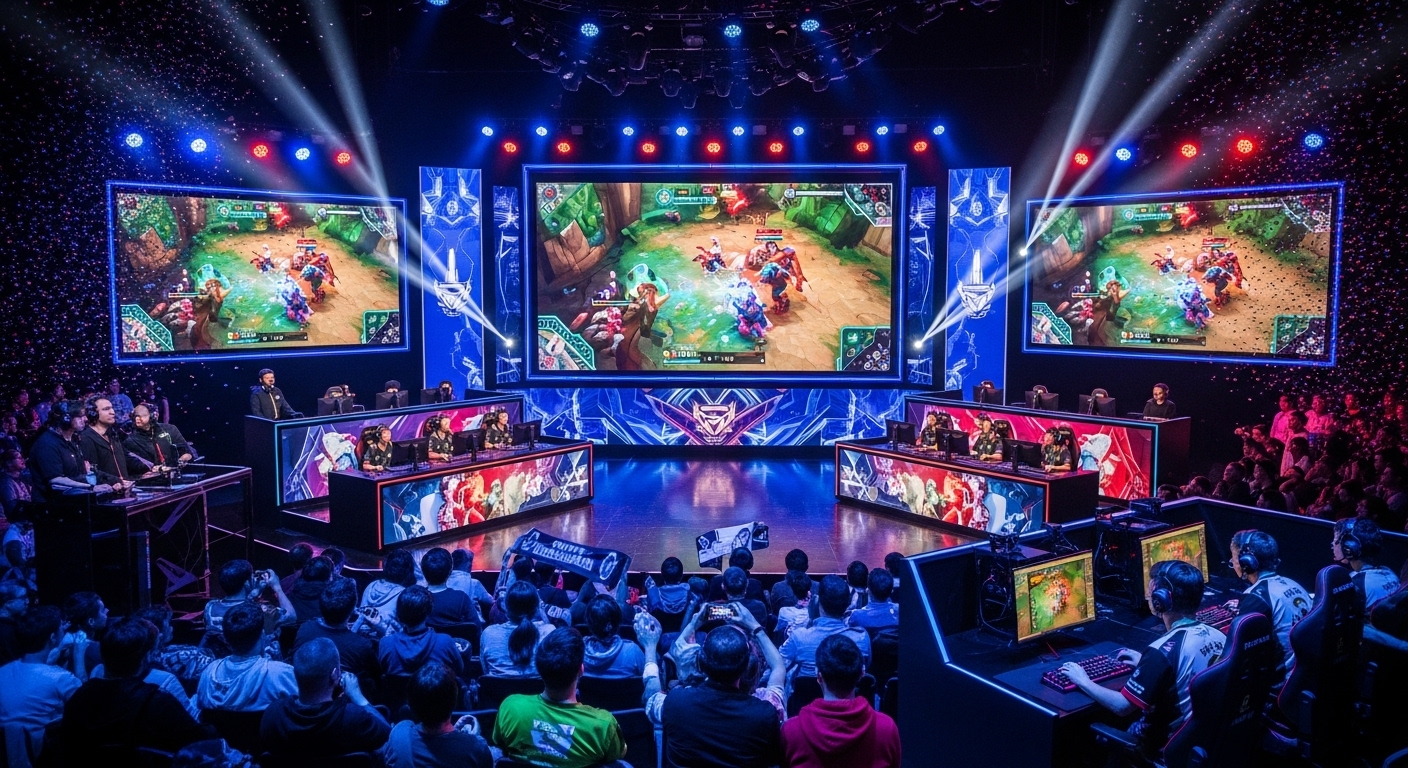
Esports, or competitive video gaming, has emerged as one of the fastest-growing industries in the world. From small community tournaments to massive international championships, esports has captivated millions of players and fans globally. What was once considered a niche hobby has transformed into a professional, organized, and highly lucrative ecosystem. Beyond just gameplay, esports is shaping culture, creating career opportunities, and influencing technology and social interaction in ways that rival traditional sports.
The Origins of Esports
The roots of esports can be traced back to the late 1970s and early 1980s when arcade games such as Space Invaders and Pac-Man became competitive attractions. Local high-score contests laid the foundation for competitive gaming. In the 1990s, multiplayer PC games like Doom, Quake, StarCraft, and Counter-Strike enabled organized competitions and team-based strategies. With the rise of the internet and broadband connections, players could compete with others globally, expanding the reach of esports beyond local communities. By the 2000s, esports had started to become a professional endeavor, with structured leagues, sponsorships, and international tournaments setting the stage for its explosive growth.
Professionalization of Competitive Gaming
Esports today is highly professionalized. Players often train eight to twelve hours a day, similar to athletes in traditional sports. Teams employ coaches, analysts, nutritionists, and psychologists to optimize performance. Professional tournaments, including the League of Legends World Championship, Dota 2 International, and Fortnite World Cup, offer multi-million-dollar prize pools, attracting massive online and in-person audiences. Sponsorship deals and partnerships with brands provide players with financial security, while organizations focus on long-term development of teams and careers. This professional structure legitimizes esports as a serious career option and positions it alongside traditional sports in terms of competitiveness and entertainment value.
Physical and Mental Demands of Esports
Esports requires more than quick reflexes. It demands physical and mental discipline. Players must maintain excellent hand-eye coordination, fast reaction times, and precision in high-pressure situations. Long hours of practice can result in repetitive strain injuries, eye strain, and posture-related challenges, which is why professional players follow strict physical fitness and ergonomic routines. Mentally, esports competitors need focus, resilience, and strategic thinking to anticipate opponents’ moves and adapt in real time. The combination of cognitive and physical demands makes esports a challenging and multifaceted form of competition.
Esports as a Social Platform
Esports is also a powerful social phenomenon. Online multiplayer games allow players from all over the world to connect, collaborate, and compete. Communities form around games, players, and tournaments, fostering friendships and shared experiences. Fans interact through live chats, forums, and social media, creating inclusive environments where enthusiasts can bond over shared passions. Esports provides opportunities for individuals to develop teamwork, leadership, and communication skills, both online and offline, while bridging cultural and geographic gaps.
Esports and Education
Many educational institutions are now embracing esports, offering programs, scholarships, and competitive teams. Participation in esports teaches critical thinking, problem-solving, strategic planning, and collaboration. Students also develop leadership and time management skills, learning to balance academics with competitive gaming. Schools and universities recognize that esports prepares students for careers in gaming, technology, media, and digital content creation. Integrating esports into education provides a structured platform for skill development, mentorship, and personal growth, demonstrating its value beyond entertainment.
Economic Impact of Esports
Esports has become a significant economic driver. Revenue comes from tournaments, sponsorships, merchandise, streaming, and media rights. The industry employs thousands, including professional players, coaches, content creators, marketers, event organizers, and technical support teams. Major tournaments also stimulate local economies by attracting tourism, investments, and media attention. Streaming platforms allow fans to directly support their favorite players and teams, creating additional income streams. As esports continues to expand, its economic influence rivals that of traditional sports industries.
Cultural Influence of Esports
Esports is shaping modern culture. Gaming conventions, live tournaments, and online streams provide spaces for fans to celebrate creativity, strategy, and competition. Esports influences music, fashion, and entertainment trends, merging digital culture with mainstream media. Teams and players cultivate fan bases with loyalty and engagement similar to traditional sports teams. Through these communities, esports creates a sense of belonging and identity, particularly among younger generations who grew up in the digital era.
Role of Technology in Esports
Technology is at the heart of esports. High-performance computers, gaming consoles, and specialized peripherals enable precision and performance. Streaming platforms allow fans to watch and interact with competitions live. Analytics software provides insights into player performance and strategies, helping teams improve. Emerging technologies such as virtual reality, augmented reality, and cloud gaming are opening new possibilities for immersive experiences. Technology not only enhances gameplay but also enables global accessibility and real-time engagement for fans and players alike.
Women in Esports
While esports has been male-dominated, female participation is steadily increasing. Women are competing professionally, breaking barriers, and inspiring future generations. Tournaments and programs specifically designed for women provide supportive spaces that encourage inclusivity. Female representation promotes diversity and challenges stereotypes in gaming. Increased participation by women strengthens communities and enriches competition, contributing to a more equitable and representative esports industry.
Mental Health and Wellbeing
The competitive nature of esports presents challenges to mental health. Players face pressure from tournaments, public scrutiny, and long practice hours. Mental wellness initiatives are now integral in professional teams, including counseling, stress management, and mindfulness practices. Balancing practice with rest, exercise, and social interaction is essential to prevent burnout. Awareness and support for mental health not only improve player performance but also promote sustainable and healthy careers in esports.
Global Reach and Connectivity
Esports transcends geographic boundaries, connecting people worldwide. International tournaments feature competitors from diverse countries, while fans engage across continents through live streaming and social media. Esports creates a sense of shared experience and community on a global scale. National pride, team loyalty, and individual skill are celebrated worldwide, demonstrating that esports can unite people despite differences in language, culture, and background.
The Future of Esports
The future of esports is promising and expansive. Virtual reality, augmented reality, and artificial intelligence will transform gameplay, viewing experiences, and training methods. Greater investment, sponsorship, and professionalization will continue to create career opportunities. Educational programs and training academies will nurture new talent, while technological advancements will enhance engagement for fans. As esports evolves, it will continue to influence culture, technology, education, and entertainment, solidifying its place as a defining industry of the digital age.
Conclusion: Esports as a Defining Era
Esports has redefined competition in the digital age. It demands skill, discipline, and strategy while fostering communities, culture, and economic opportunity. Professional players, fans, and organizations interact in a global ecosystem that celebrates talent, innovation, and creativity. Esports has transformed entertainment, inspired education, and connected people worldwide. As technology advances and the industry grows, esports will continue to shape modern culture and society. The rise of esports represents a new era of competition, proving that passion, skill, and teamwork thrive not only on physical fields but also in digital arenas.