The Rise of Esports: A Revolution in Gaming Culture
Esports, once a niche pastime for enthusiasts, has rapidly transformed into a global cultural and economic powerhouse. What started as small, local tournaments in the late 20th century has blossomed into a multi-billion-dollar industry. Esports, or electronic sports, refers to competitive video gaming where professional players and teams compete in various games, from first-person shooters to strategy games. Over the past few years, esports has gained significant mainstream attention, becoming a staple of modern entertainment and sports culture.
From Casual Games to Professional Leagues
Esports didn’t develop overnight. Its roots trace back to the early days of arcade gaming when competitions like Pong or Space Invaders sparked interest in competitive play. The internet and personal computers, however, played a critical role in evolving esports from local, in-person competitions to global online leagues. As multiplayer games like StarCraft, Warcraft III, and Counter-Strike gained traction, competitive gaming began to formalize, with larger events and sponsorships becoming the norm. The emergence of games like League of Legends, Dota 2, and Fortnite further pushed esports into the limelight, attracting millions of viewers and participants worldwide.
The Professional Esports Player: A New Kind of Athlete
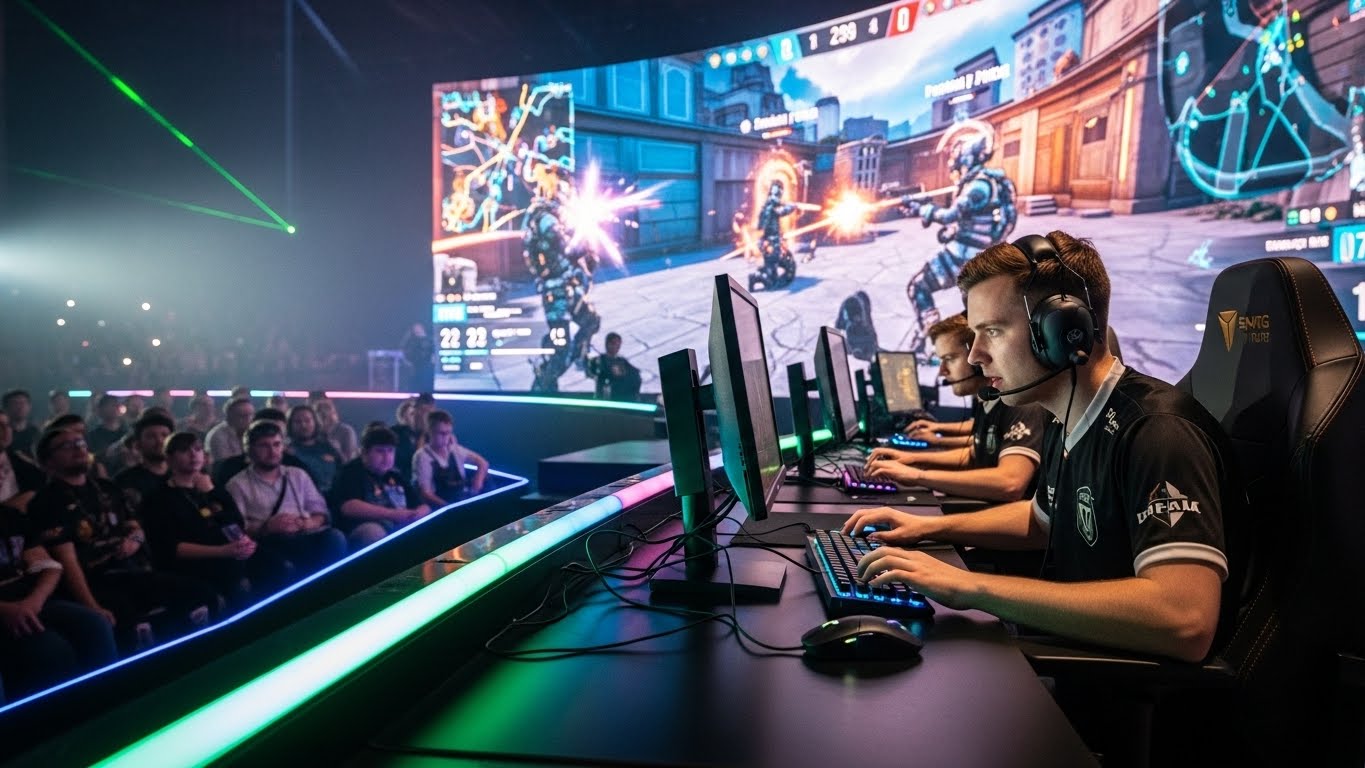
Becoming a professional esports player is not as simple as picking up a controller and playing for fun. It requires a high level of skill, dedication, and mental fortitude. Players practice for hours every day, refining their strategies, improving their reflexes, and staying up to date on the latest game developments. The lifestyle of a professional player is demanding, with intense competition and constant pressure to perform at the highest level. Players often participate in international tournaments with prize pools worth millions of dollars, making esports a lucrative career for the very best.
Like traditional athletes, esports players rely on physical fitness, mental conditioning, and teamwork. Many organizations have begun investing in player wellness, providing fitness training, psychological support, and professional coaching to help their teams excel both on and off the screen. The competition is fierce, with the top players becoming superstars in their respective games, gaining large followings and sponsorship deals from major brands.
The Business of Esports: From Games to Global Industry
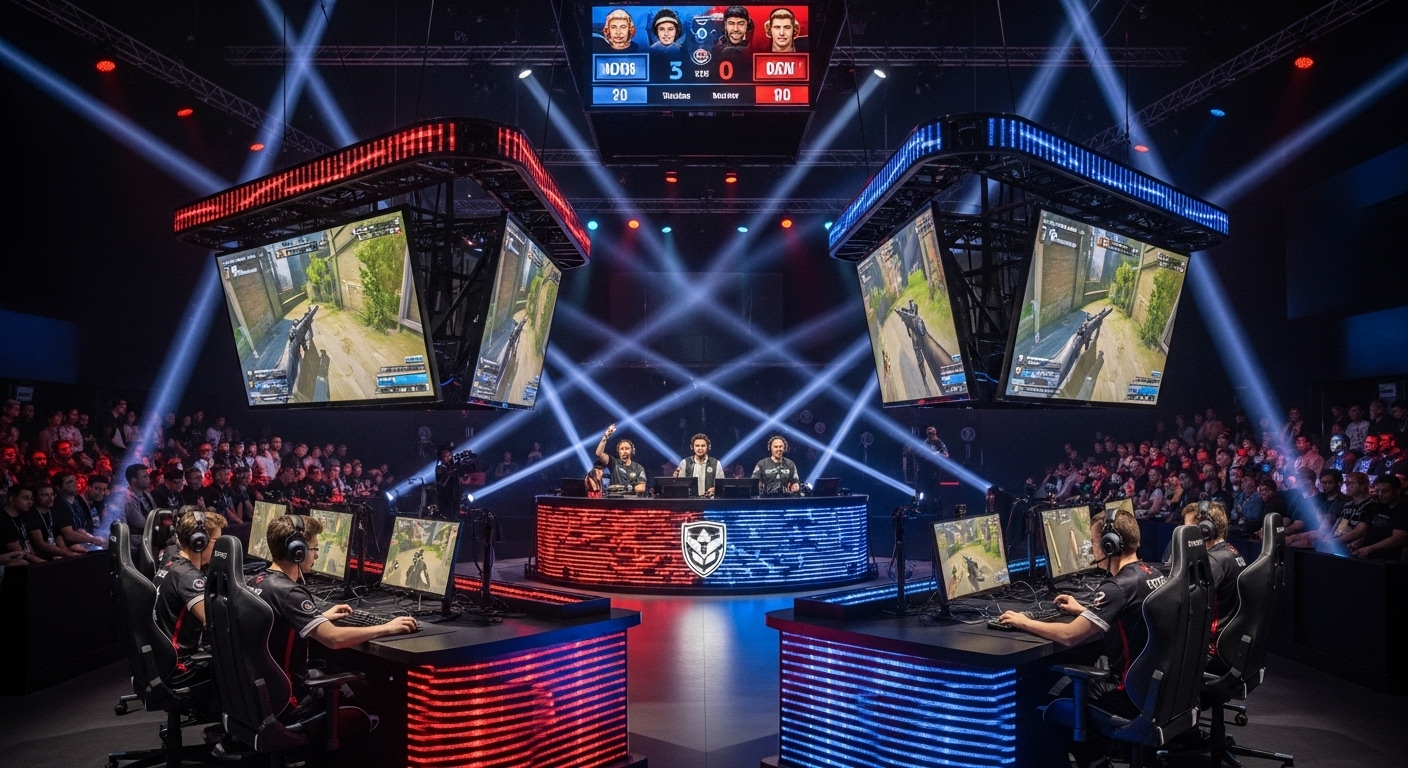
The rise of esports has led to the emergence of a fully developed ecosystem of sponsors, advertisers, media outlets, and merchandise sales. Esports events are now streamed live to millions of viewers across platforms like Twitch and YouTube, with some major tournaments being broadcasted on national television. Prize pools for esports events can run into the tens of millions of dollars, drawing top players from around the world to compete for fame and fortune.
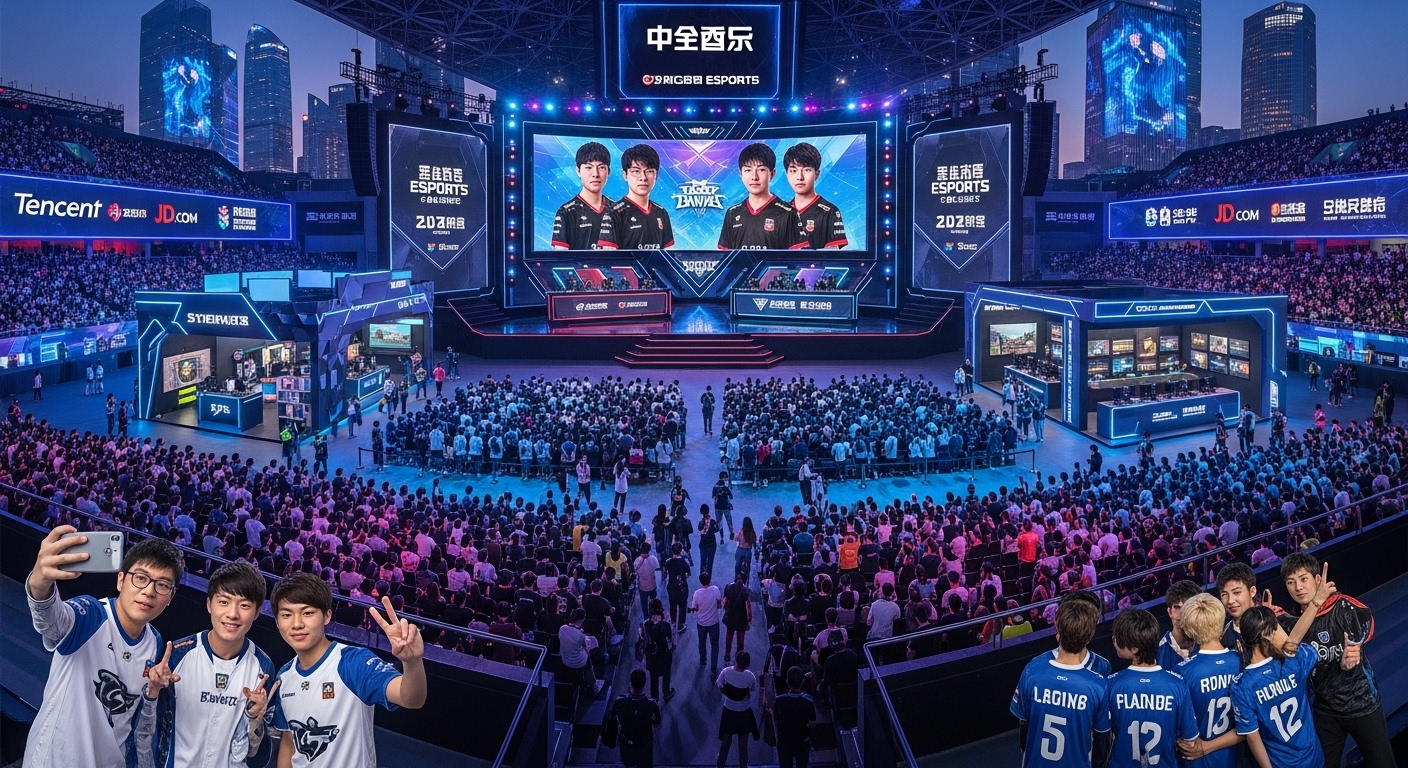
Brands from all industries have started to see the potential in esports, investing heavily in sponsorships, product placements, and advertising. Companies like Intel, Red Bull, and Coca-Cola are just a few of the global brands that have partnered with esports events to tap into the growing audience. In addition, esports teams and individual players are securing lucrative deals, with salaries, endorsement opportunities, and streaming revenues contributing to their financial success.
The Fanbase: Esports as a Cultural Movement
The success of esports is not just due to the players but also its massive fanbase. Fans are a driving force behind the industry, supporting their favorite players, teams, and tournaments. Esports fans connect through online forums, social media, and live streams, creating a global community built around shared passions. Major tournaments are often held in massive arenas, where thousands of spectators come together to watch their favorite teams battle for victory.
The sense of community and camaraderie that esports fosters is a major factor in its widespread appeal. Whether watching from home or attending live events, fans immerse themselves in the action, often forming strong emotional connections with players and teams. The rise of fan-driven content, including YouTube channels, podcasts, and fan art, has further solidified esports as a vibrant subculture.
The Educational Impact of Esports
Esports is increasingly being recognized as a legitimate educational tool. Many universities and colleges now offer esports scholarships, and some have even established dedicated esports programs and varsity teams. Esports teaches valuable skills such as teamwork, leadership, communication, and problem-solving, all of which are transferable to a wide range of professional careers.
Moreover, the educational aspect of esports extends beyond just gameplay. As the esports industry grows, so does the demand for professionals in areas like game design, event production, marketing, and broadcasting. Esports provides students with an opportunity to pursue careers in a rapidly expanding field while also benefiting from the recognition of esports as a legitimate academic pursuit.
Challenges Facing Esports
Despite its rapid growth, esports is not without its challenges. One major concern is player burnout, with many professional players retiring at young ages due to the immense pressure and physical toll of constant competition. Additionally, there are ongoing issues related to toxicity in online communities, where players and fans can engage in harmful behaviors such as harassment and abuse. As the industry matures, organizations are working to address these challenges, implementing wellness programs and promoting a healthier, more inclusive environment for players and fans alike.
Another challenge is the increasing need for regulation in esports. With its rise in popularity, there have been growing calls for standardization in terms of rules, fair play, and competition management. Esports organizations, game developers, and governing bodies are working together to create systems that ensure fairness and safety for everyone involved.
The Future of Esports
Looking ahead, the future of esports appears incredibly bright. With technological advancements like virtual reality and augmented reality, the possibilities for immersive, interactive gaming experiences are endless. As gaming technology continues to improve, esports will likely evolve into new forms of competition that were once unimaginable.
Esports is also becoming more integrated with traditional sports, with collaborations between professional sports organizations and esports leagues. This crossover has the potential to bring esports even more into the mainstream, attracting new audiences and creating new opportunities for players, teams, and businesses.
Conclusion: Esports is Here to Stay
Esports is no longer just a passing trend—it has solidified itself as a global entertainment and competitive force. With its massive player base, dedicated fans, and growing industry, esports has become an integral part of modern culture. Whether you’re a player, a fan, or someone interested in the business side of things, esports offers a unique and exciting opportunity. As it continues to grow and evolve, esports will undoubtedly play a major role in shaping the future of entertainment, education, and competitive sports.