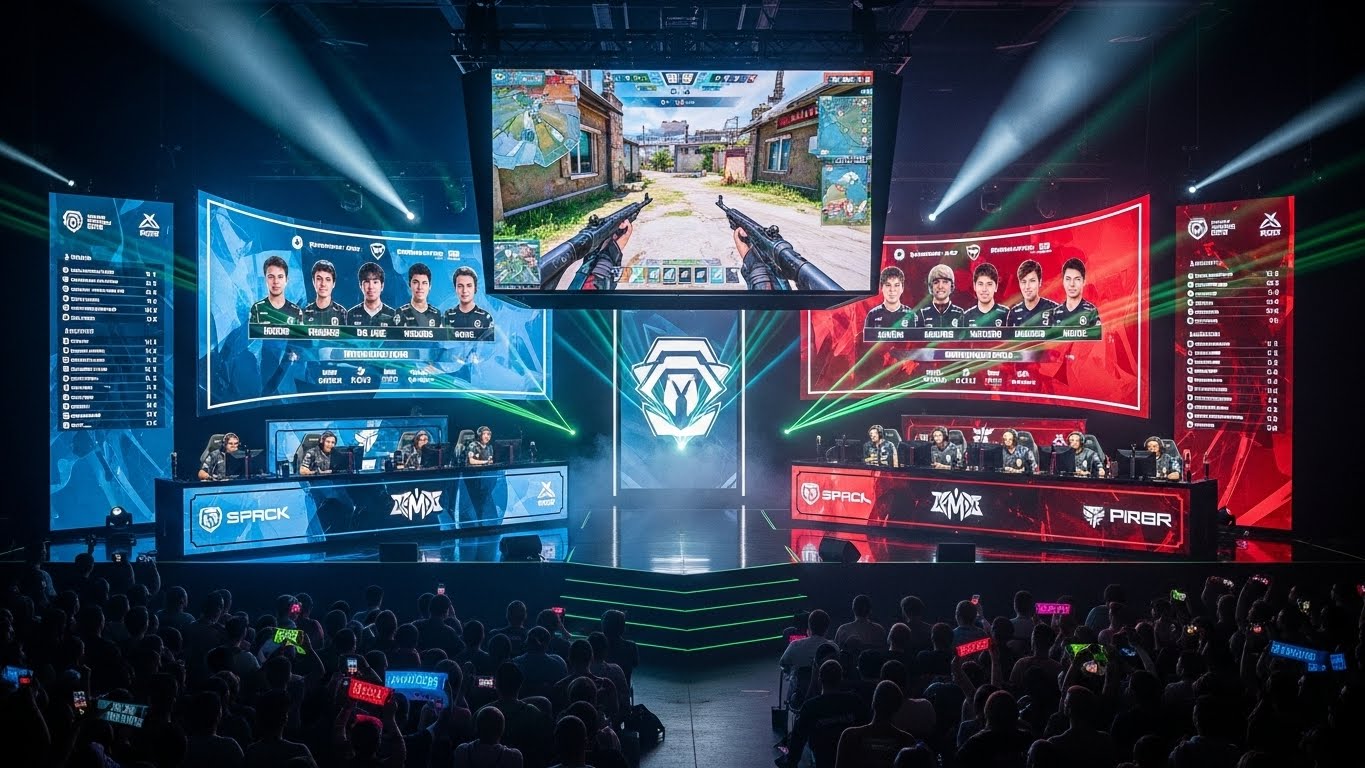
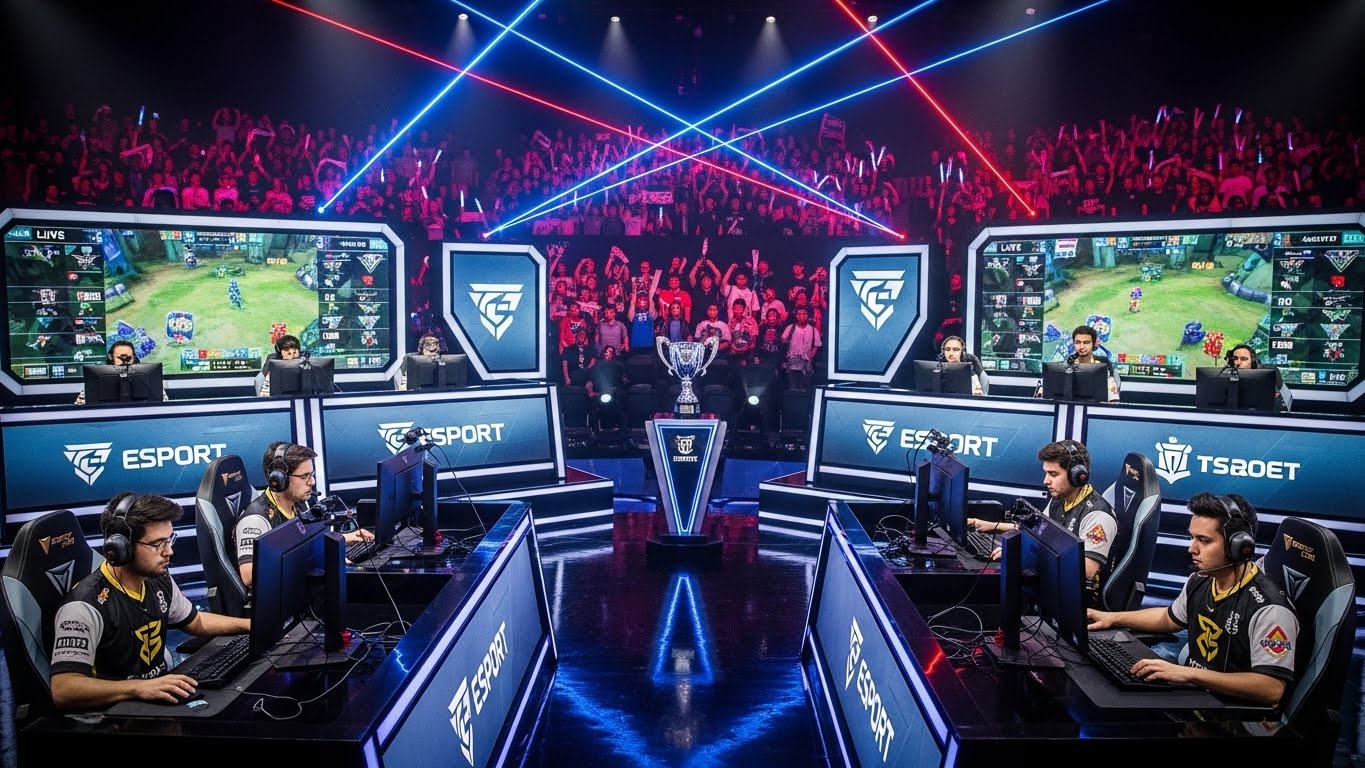
Esports has come a long way from its humble origins as a niche activity for gamers to a global phenomenon that has captured the attention of millions around the world. With the rapid advancement of technology, competitive gaming has evolved into a multi-billion-dollar industry, attracting professional players, global sponsors, and an ever-growing fanbase. Today, esports is not just about playing video games for fun; it’s a career path, a form of entertainment, and even a cultural movement that transcends geographic and linguistic boundaries.
In this blog post, we will explore the rise of esports, its impact on the gaming community, the economics behind it, and what the future holds for this rapidly growing sector.
What Exactly is Esports?
Esports, short for electronic sports, refers to organized, multiplayer video game competitions, particularly between professional players, individually or as teams. The games involved can range from first-person shooters (FPS), real-time strategy (RTS) games, and multiplayer online battle arenas (MOBAs) to sports simulation games and battle royale titles. Games like League of Legends, Dota 2, Counter-Strike: Global Offensive, Fortnite, and Call of Duty are some of the most popular titles in the esports world.
The key distinction of esports is its competitive nature, with players or teams competing for both skill-based supremacy and large monetary rewards. Unlike casual gaming, esports competitions are structured, with clearly defined rules, professional teams, and broadcasted events that attract millions of viewers both online and in live arenas.
Esports isn’t confined to just one platform either. It spans across PCs, consoles, and even mobile devices. Tournaments are streamed globally on platforms like Twitch, YouTube Gaming, and Facebook Gaming, where fans can watch live matches, engage with their favorite players, and discuss the games in real-time.
The Origins of Esports: From Casual Games to Professional Leagues
The roots of esports can be traced back to the early days of competitive gaming. In the 1990s, video game enthusiasts began hosting local tournaments, often known as LAN (Local Area Network) parties, where players could compete in multiplayer games like Quake and StarCraft. These informal competitions were the foundation upon which modern esports would be built. However, it wasn’t until the early 2000s that esports started gaining real traction on the global stage.
One of the earliest professional organizations for esports was the Cyberathlete Professional League (CPL), founded in 1997. The CPL helped to organize professional-level tournaments for popular FPS games like Quake and Unreal Tournament, establishing the idea of esports as a competitive career path. Following the CPL, other notable events like the World Cyber Games (WCG) and ESL (Electronic Sports League) emerged, drawing larger audiences and attracting sponsorships.
In South Korea, the rise of StarCraft: Brood War in the early 2000s marked a pivotal moment for esports. The game became a national sensation, with professional players gaining celebrity status, and TV networks broadcasting live tournaments. South Korea’s embrace of esports as a legitimate career inspired the rest of the world, laying the groundwork for the global esports scene that would emerge in the years to come.
Esports Today: A Global Industry Worth Billions
Fast forward to the present day, and esports has grown into a massive global industry. In 2021, the total revenue generated by esports was estimated to be over $1 billion, with projections indicating it could exceed $2 billion by 2023. This impressive growth is fueled by several key factors, including sponsorship deals, streaming revenue, merchandise sales, and the increasing viewership of esports tournaments.
Tournaments like The International (for Dota 2), League of Legends World Championship, and CS:GO Majors now offer multi-million-dollar prize pools, attracting the best players and teams from around the globe. These events often fill massive arenas, with live audiences attending to watch the action unfold. In fact, the League of Legends World Championship regularly draws in over 100 million viewers, rivaling the viewership of major traditional sports events.
Esports is also supported by significant corporate sponsorships from major brands across various industries, including technology, automotive, fashion, and beverages. Companies like Intel, Red Bull, Nike, and Mercedes-Benz have all invested heavily in the esports ecosystem, contributing to the industry’s exponential growth. These sponsorships not only provide financial backing but also help esports gain credibility and visibility as a mainstream entertainment medium.
The Impact of Streaming Platforms on Esports
One of the driving forces behind the rise of esports is the advent of live-streaming platforms. Streaming services like Twitch and YouTube Gaming have revolutionized the way esports events are consumed, allowing fans to watch live matches from anywhere in the world. These platforms have become central to the esports community, providing not only live broadcasts of tournaments but also opportunities for players to stream their daily gameplay, interact with fans, and build their personal brands.
For many esports athletes, streaming has become a lucrative source of income, in addition to tournament prize money and sponsorships. Top streamers often have millions of followers, and their streams can attract thousands of viewers at any given time. The ability to engage with fans on a personal level, while simultaneously showcasing their skills, has allowed players to transition from professional competitors to full-fledged content creators.
Twitch, in particular, has become synonymous with esports. The platform hosts countless esports tournaments, and its partnership with major publishers and organizers ensures a steady stream of high-quality content for fans. Twitch has also pioneered monetization strategies for streamers, allowing them to earn through ads, subscriptions, and donations.
The Esports Ecosystem: Players, Teams, and Organizations
The esports ecosystem is vast, involving multiple layers of players, teams, organizations, and support staff. At the heart of the competitive scene are the players—individuals who dedicate their time and effort to mastering their chosen games and competing at the highest level.
Players and Their Journey
Becoming a professional esports player requires more than just talent—it demands dedication, discipline, and an unrelenting work ethic. Many esports athletes begin their journey as casual players, climbing the ranks through online matchmaking systems. Over time, some of them are spotted by professional teams or organizations, which offer them opportunities to compete in official tournaments and leagues.
Professional players typically practice for hours each day, honing their skills and developing strategies with their teammates. In addition to technical skills, mental fortitude and teamwork are essential traits for success in esports. Players often undergo physical training, as well, to improve reaction times and overall stamina, which are crucial during long tournaments.
Esports Teams and Organizations
Just like traditional sports, esports has professional teams that are made up of talented players. These organizations sign players to multi-year contracts, provide them with coaching, and offer a range of support services, including travel arrangements, media training, and sponsorship opportunities. Teams like Cloud9, Team Liquid, and FaZe Clan have become household names in the esports world, and their players often enjoy celebrity status, with massive fan followings across social media platforms.
Esports organizations also play a role in the business side of the industry, managing sponsorship deals, merchandising, and marketing. Some organizations even own multiple teams across different game titles, allowing them to expand their brand and gain a foothold in various competitive scenes.
Coaches, Analysts, and Support Staff
Behind every successful esports team is a dedicated coaching staff, which includes head coaches, analysts, psychologists, and strategists. These professionals work with players to analyze their performance, refine strategies, and ensure peak mental and physical performance during tournaments. Coaches and analysts study opponents, prepare tactical plans, and make real-time decisions during matches to give their teams a competitive edge.
In addition to the competitive staff, esports teams also employ media managers, social media experts, and content creators to manage their public image and keep fans engaged. These support staff are essential for maintaining the team’s brand and ensuring that they remain relevant in the ever-changing world of esports.
The Future of Esports: What Lies Ahead?
The future of esports looks incredibly bright, with new technologies and innovations set to further transform the industry. One of the most significant developments on the horizon is the rise of mobile esports. With the increasing popularity of mobile gaming, titles like PUBG Mobile, Clash Royale, and Free Fire are attracting large audiences and players. Mobile esports tournaments are already gaining traction, especially in regions like Southeast Asia and India, where mobile gaming is more accessible than PC or console gaming.
Additionally, advancements in virtual reality (VR) and augmented reality (AR) have the potential to revolutionize esports in the coming years. As VR and AR technologies improve, players may be able to compete in entirely new types of immersive environments, further blurring the line between the digital and physical worlds.
Esports will also continue to grow as a spectator sport, with more professional leagues, televised events, and sponsorship deals emerging. Traditional sports organizations are already investing heavily in esports, and we are likely to see even more crossovers between the two in the future. The Olympic Games, for example, has expressed interest in incorporating esports into its programming, which could help bring esports even further into the mainstream.
Conclusion: The Digital Age of Sports
Esports has transformed from a niche activity into a global juggernaut that rivals traditional sports in terms of viewership, revenue, and cultural influence. As technology continues to advance and new generations of players and fans emerge, esports will only continue to grow and evolve. What was once seen as a pastime for gamers has now become a legitimate career path, a booming business, and a powerful cultural force.