Introduction: Esports Enters the Mainstream
Esports has grown from a niche hobby into a worldwide phenomenon, captivating millions of fans and reshaping the concept of competitive sports. What was once considered casual gaming is now a multi-billion-dollar industry with professional players, dedicated teams, and global tournaments. Streaming platforms, social media, and high-speed internet have enabled esports to reach audiences in every corner of the world, transforming the way people interact with games and view competition. The rise of esports is not just a trend—it is a cultural movement that combines technology, strategy, and community engagement in unprecedented ways.
The Origins of Esports
The history of esports dates back to the late 1970s and early 1980s, when arcade gaming gained popularity. One of the earliest recorded competitions, the Space Invaders Championship in 1980, attracted thousands of participants across the United States. During the 1990s, competitive gaming evolved with titles like StarCraft, Quake, and Counter-Strike, which created global gaming communities. These early tournaments were often informal and regional, but they laid the groundwork for the competitive esports ecosystem we see today. The proliferation of online multiplayer games in the early 2000s further accelerated growth, allowing players from different countries to compete in real time.
Esports as a Professional Industry
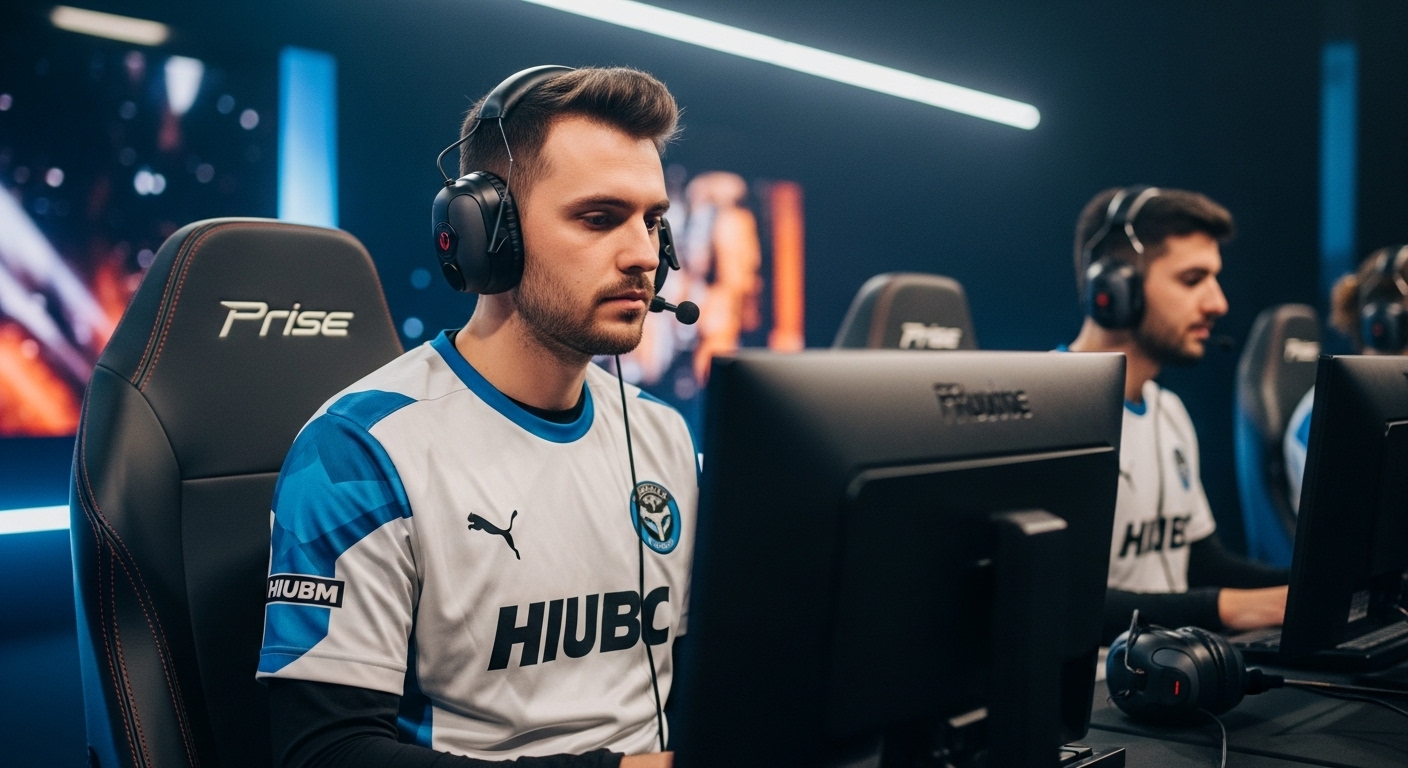
Esports has transformed into a structured, professional industry with players earning salaries, sponsorships, and prize money. Major games like League of Legends, Dota 2, Call of Duty, and Fortnite dominate the competitive scene, attracting massive audiences during tournaments. Professional teams operate like traditional sports franchises, employing coaches, analysts, and support staff to optimize performance. Sponsorship deals with tech companies, beverage brands, and apparel companies provide financial backing, allowing teams to invest in training facilities and international travel. Esports organizations are now recognized as legitimate businesses, and players are considered professional athletes with rigorous training regimens.
The Role of Players and Teams
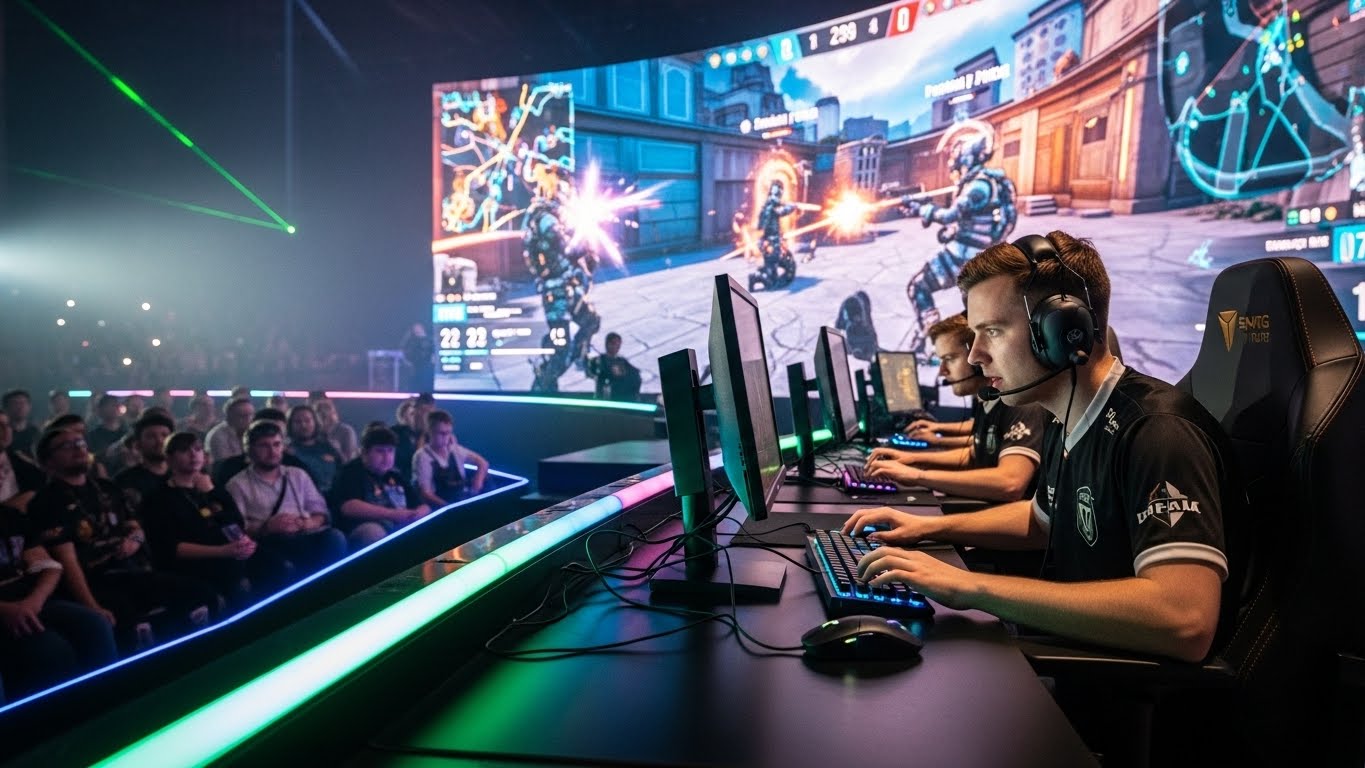
Players are at the heart of esports, dedicating countless hours to mastering mechanics, strategies, and teamwork. A professional player’s day often involves six to ten hours of practice, including drills, scrimmages, and review sessions. Teams provide a structured environment that enhances individual performance while fostering collaboration. Coaching staff analyze gameplay to identify weaknesses and refine tactics. This professional approach has elevated esports to a level comparable to traditional sports, where preparation, discipline, and mental resilience are critical for success. The dedication of players, combined with the support of teams, ensures that the competitive level of esports remains extremely high.
The Importance of Leagues and Tournaments
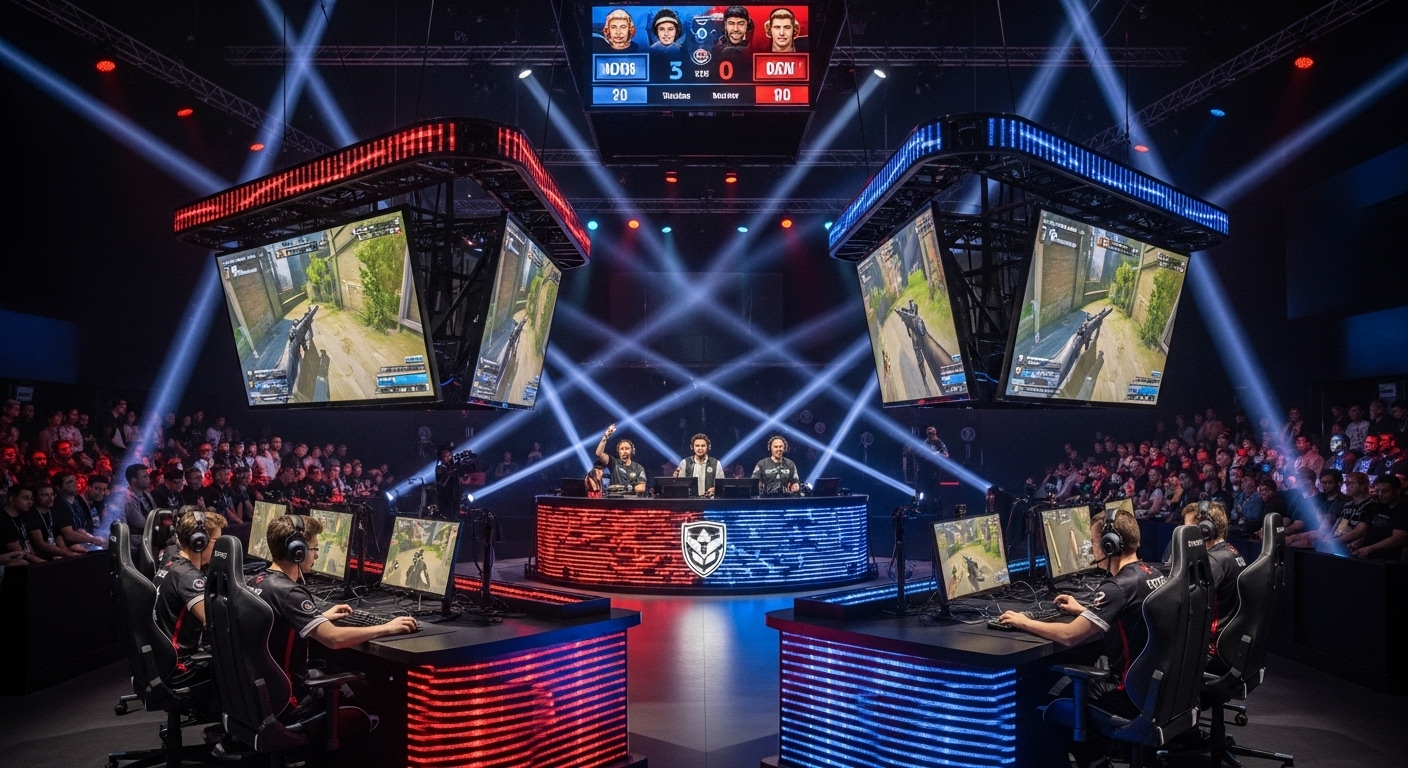
Esports leagues and tournaments are the backbone of competitive gaming. Events like the League of Legends World Championship, Dota 2’s The International, and Fortnite’s World Cup attract millions of viewers and offer prize pools that reach tens of millions of dollars. Leagues provide structure and consistency, allowing teams to compete across seasons with rankings, playoffs, and global finals. These events also offer fans an engaging viewing experience, complete with live commentary, analysis, and interactive features. Tournaments are more than just competitions—they are celebrations of gaming culture, bringing together fans, players, and industry professionals from around the world.
Streaming Platforms and the Rise of Esports Viewership
Streaming platforms have revolutionized how esports is consumed. Services such as Twitch and YouTube Gaming allow fans to watch live matches, interact with players, and participate in a global community. Streaming has created opportunities for commentators, analysts, and content creators to build careers within the esports ecosystem. Interactive features like live chat, donations, and polls enhance viewer engagement, making esports a participatory experience. The accessibility of streaming has also helped break geographic barriers, allowing fans in remote areas to follow professional teams and tournaments in real time.
Esports and Mainstream Recognition
Esports is increasingly recognized alongside traditional sports, with professional leagues, national teams, and institutional support from universities. Many colleges now offer scholarships for esports players, acknowledging gaming as a legitimate skill-based activity. Media coverage and corporate sponsorship have helped normalize esports as a cultural phenomenon, attracting audiences beyond hardcore gamers. Governments in various regions are investing in esports infrastructure, including arenas, training centers, and educational programs, to support the growth of competitive gaming. This recognition has legitimized esports as both a career path and a major entertainment sector.
Psychological and Social Impacts of Esports
Esports has significant psychological and social dimensions. For players, competitive gaming fosters strategic thinking, teamwork, communication, and decision-making under pressure. It also provides a sense of identity and belonging within the gaming community. Fans gain entertainment, social connection, and inspiration from watching esports events. However, the high-pressure environment and long hours of practice can lead to burnout and stress. Professional organizations increasingly employ psychologists, nutritionists, and wellness coaches to ensure players maintain both physical and mental health. Balancing gaming with real-life responsibilities is critical for the long-term success and well-being of players.
Technology and Esports: A Symbiotic Relationship
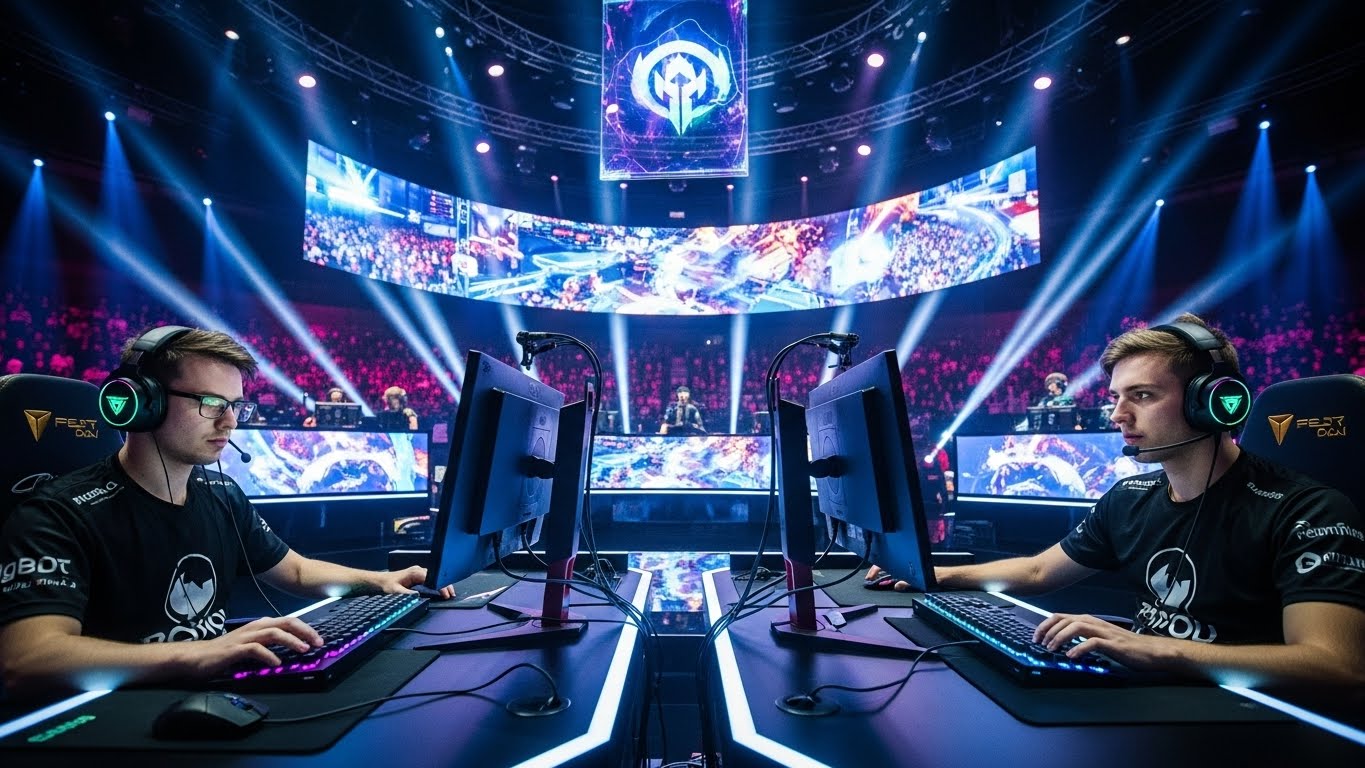
Esports and technology are closely intertwined. High-speed internet, powerful gaming hardware, cloud gaming, and virtual reality continue to redefine what is possible in competitive gaming. Real-time analytics and AI tools allow teams to study gameplay patterns, predict outcomes, and refine strategies. Advanced graphics, streaming technology, and immersive experiences enhance the viewing experience for fans, making esports more engaging and interactive. This technological innovation ensures that both gaming and esports continue to evolve, pushing boundaries and creating new possibilities for players and spectators alike.
The Business Side of Esports
Esports is a multi-billion-dollar industry, with revenue streams from sponsorships, advertising, merchandise, media rights, and ticketed events. Sponsorship deals with tech companies, energy drink brands, and apparel manufacturers provide financial stability for teams and events. Advertising during live streams and tournaments reaches highly engaged audiences, making esports an attractive marketing platform. Merchandising, from team jerseys to in-game items, adds another layer of revenue. Ticketed events, both in-person and online, allow fans exclusive access to live experiences. The business model of esports demonstrates how digital entertainment can generate sustainable revenue while building passionate global communities.
Challenges Facing Esports
Despite its growth, esports faces several challenges. Competitive integrity is critical, with issues such as cheating, match-fixing, and performance-enhancing software threatening fairness. Player burnout and mental health issues are prevalent due to rigorous training schedules and the high-pressure environment. Diversity and inclusion remain challenges, with opportunities for women and underrepresented groups still limited in many regions. Additionally, legal and regulatory frameworks are developing, creating uncertainty around contracts, labor rights, and international competitions. Addressing these challenges is essential for the sustainability and credibility of the esports industry.
The Future of Esports
The future of esports is full of promise and potential. Mobile esports is expanding rapidly, making competitive gaming accessible to players in regions where PC or console gaming may be less common. Virtual reality esports could create entirely new forms of immersive competition. Esports education and professional development programs will grow, preparing players, analysts, coaches, and content creators for diverse careers within the industry. As mainstream recognition increases, esports is likely to become an integral part of global sports culture, bridging the gap between traditional athletics and digital entertainment.
Conclusion: Esports as a Cultural Force
Esports has evolved from small gaming competitions into a global cultural and economic powerhouse. It offers professional opportunities, fosters communities, and redefines entertainment for the digital era. The industry’s growth is fueled by technology, dedicated players, and passionate fans, yet it must navigate challenges like mental health, fair competition, and inclusivity. Esports is more than just gaming; it is a dynamic ecosystem that blends competition, culture, and innovation. As the industry matures, it will continue to shape how we play, watch, and engage with games, solidifying its position as a defining force in modern entertainment.