Introduction: From Hobby to Global Stage
Video games have long been associated with leisure, relaxation, and entertainment. What began as a hobby for a small group of enthusiasts has transformed into a global phenomenon known as Esports. Today, competitive gaming draws millions of viewers, generates billions of dollars in revenue, and creates professional careers comparable to traditional sports. Esports is not just a pastime; it is a cultural movement, an economic powerhouse, and a technological marvel.
This article explores the history, rise, and impact of Esports, examines the life of professional gamers, analyzes key games and tournaments, and looks ahead to the future of this dynamic industry.
The Early Days of Competitive Gaming
Competitive gaming began in the early 1970s, when the first known video game tournament was held at Stanford University. Players competed in the game Spacewar, with the winner receiving a subscription to a magazine. Though modest, this marked the beginning of organized video game competition.
During the 1980s, arcade games became social hubs for competitive play. High scores and leaderboards offered recognition to skilled players. With the rise of home consoles in the late 1980s and early 1990s, competitive gaming moved beyond arcades. Games such as Street Fighter II, Doom, and Warcraft became staples of early Esports tournaments. The introduction of the internet allowed gamers to connect and compete globally, setting the stage for modern Esports.
Professionalization of Esports
The 1990s and early 2000s marked the professionalization of competitive gaming. South Korea, in particular, became a hub for professional Esports, especially through the popularity of StarCraft. Television channels broadcast matches, players became national celebrities, and gaming cafés, known as PC bangs, nurtured competitive talent.
Major tournaments like the World Cyber Games and the Electronic Sports World Cup emerged, offering cash prizes and sponsorships. Professional teams and organizations formed, complete with management, coaching staff, and training facilities. Esports had transitioned from a hobby to a viable career path for talented players.
The Rise of Online Streaming and Esports Communities
The advent of online streaming platforms dramatically accelerated the growth of Esports. Before streaming, audiences could only watch matches in person or via recorded broadcasts. Live streaming allowed fans worldwide to watch tournaments in real time, interact with players, and participate in online communities.
Streamers became celebrities in their own right, building personal brands and connecting with audiences on a global scale. Teams and sponsors leveraged this visibility, expanding their reach and influence. Online communities fostered engagement, discussion, and fan loyalty, transforming Esports into both a competitive and social phenomenon.
Key Games That Shaped the Esports Industry
Certain games have been central to the growth of Esports. Titles such as League of Legends, Dota 2, Counter-Strike: Global Offensive, and Overwatch defined competitive gaming with their strategic depth, teamwork, and dynamic gameplay.
Battle royale games like Fortnite and PUBG introduced new audiences to competitive gaming, blending entertainment, creativity, and high-stakes competition. Each game contributes unique elements, helping diversify the Esports ecosystem and attract broader audiences.
Other games, including Call of Duty and Valorant, have combined the appeal of traditional shooters with professional league structures, solidifying their place in Esports history.
Life of a Professional Esports Player
Professional Esports players are modern athletes. Their daily routines involve rigorous training, strategic analysis, and teamwork development. Players often live in training houses, attend boot camps, and receive support from coaches, analysts, and nutritionists to maintain peak performance.
While the lifestyle is glamorous in appearance, it carries challenges. Players face intense pressure to perform, risk of burnout, and physical strain from long hours of practice. Career longevity is often limited, with peak performance typically occurring in the early twenties. Despite these challenges, the rewards—financial success, recognition, and fan support—make the pursuit worthwhile.
Esports as a Spectator Sport
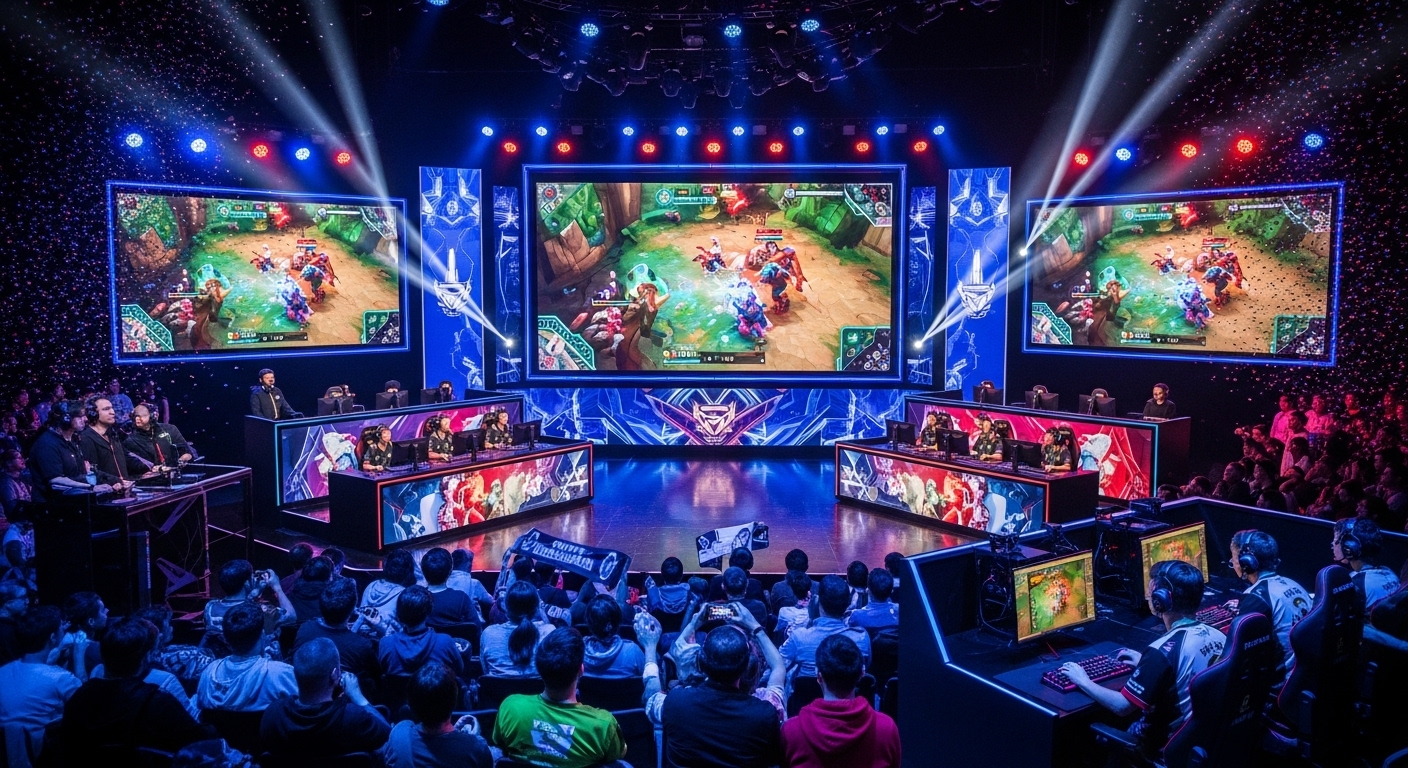
Esports has evolved into a highly engaging spectator experience. Live tournaments draw thousands of fans to stadiums, while millions watch online. Commentators, known as casters, narrate gameplay, analyze strategies, and amplify the excitement. Fans cheer, celebrate, and engage with both players and each other, creating a dynamic community experience.
Interactive features on streaming platforms allow fans to connect with players, making Esports more immersive than traditional sports. Spectatorship in Esports blends entertainment, learning, and social interaction, fostering loyalty and excitement among global audiences.
Economic Impact of Esports
Esports has become a multi-billion-dollar industry. Revenue streams include sponsorships, merchandise, advertising, ticket sales, and broadcasting rights. Global brands invest heavily to reach the engaged, young audience that Esports attracts.
Prize pools for major tournaments are staggering, sometimes reaching tens of millions of dollars. Professional organizations operate like sports franchises, managing rosters, marketing campaigns, and fan engagement. Esports also fuels related industries, such as streaming services, gaming hardware, and event management, creating a vast economic ecosystem.
Technology Driving Esports Growth
Technology underpins every aspect of Esports. High-performance computers, low-latency internet, and advanced peripherals enable players to compete at the highest level. Graphics and streaming technology ensure smooth gameplay and immersive viewing experiences.
Emerging technologies, such as virtual reality, augmented reality, and artificial intelligence, are reshaping the industry. AI helps analyze player performance, predict outcomes, and refine training. VR and AR could create fully immersive competitive environments in the future, pushing the boundaries of how Esports is played and consumed.
Cultural Significance of Esports
Esports is a cultural phenomenon. Gaming communities transcend geographical and linguistic boundaries, connecting millions through a shared passion. Fans participate in cosplay, fan art, music, and social media, creating a rich and diverse cultural ecosystem.
Esports has challenged stereotypes about gamers. It emphasizes skill, strategy, and discipline, showing that gaming is more than entertainment—it is a legitimate profession. As Esports grows, it continues to shape modern culture, bridging technology, competition, and creativity.
Education and Career Opportunities in Esports
Esports has entered the education sector, with universities and schools offering programs, courses, and scholarships for competitive gaming. Students can pursue careers in professional gaming, coaching, event management, content creation, broadcasting, marketing, and game design.
Educational programs teach teamwork, leadership, and strategic thinking. Scholarships for talented players validate Esports as a professional pursuit and open opportunities for students to engage with the industry academically and professionally.
Diversity and Inclusion in Esports
Historically, gaming was male-dominated, but the industry is increasingly inclusive. Women are emerging as professional players, casters, analysts, and content creators. Organizations and tournaments are promoting gender equality and fostering safe and welcoming environments.
Greater diversity encourages young players of all backgrounds to pursue careers in gaming. Esports’ focus on skill, strategy, and dedication over physical attributes makes it an ideal platform for inclusion and representation.
Challenges Facing Esports
Despite its success, Esports faces significant challenges. Player burnout, mental health concerns, and short career spans are ongoing issues. Organizations are beginning to provide support systems to help players sustain long-term careers.
Regulation and governance remain fragmented. Each game has different rules, tournaments, and management, creating inconsistencies. Online toxicity, cheating, and harassment are additional challenges that threaten player safety and community integrity. The industry continues to work toward solutions for these issues.
The Relationship Between Esports and Traditional Sports
Esports and traditional sports are increasingly interconnected. While once considered rivals, the two industries now collaborate. Traditional sports teams invest in Esports divisions, sponsor tournaments, and engage with digital audiences.
Both fields share common principles: teamwork, strategy, audience engagement, and competitive spirit. The primary distinction is medium—one is physical, the other digital. As Esports continues to grow, the synergy between digital and traditional sports is likely to expand, creating new opportunities for entertainment and engagement.
The Future of Esports
The future of Esports is promising. Emerging technologies such as virtual reality, augmented reality, and the metaverse will create immersive competitive experiences. Global tournaments are likely to expand, integrating new formats and engaging audiences in innovative ways.
Institutional support, sponsorship, and fan engagement will continue to drive growth. Standardized regulations, improved player welfare, and career development initiatives will strengthen the industry’s structure. Esports is not just a trend—it is a lasting cultural and economic force shaping the entertainment landscape of the 21st century.
Conclusion: The Global Impact of Esports
Esports has evolved from small arcade competitions to a worldwide phenomenon. It combines technology, entertainment, culture, and professional competition in unprecedented ways. Players, fans, and organizations have built a dynamic ecosystem that blends passion with professionalism.
The journey of Esports demonstrates the transformative power of digital culture. It has created global communities, launched careers, and redefined what it means to compete and engage in the modern era. As technology advances and audiences grow, Esports will continue to shape the future of competition, entertainment, and cultural expression around the world.