Introduction
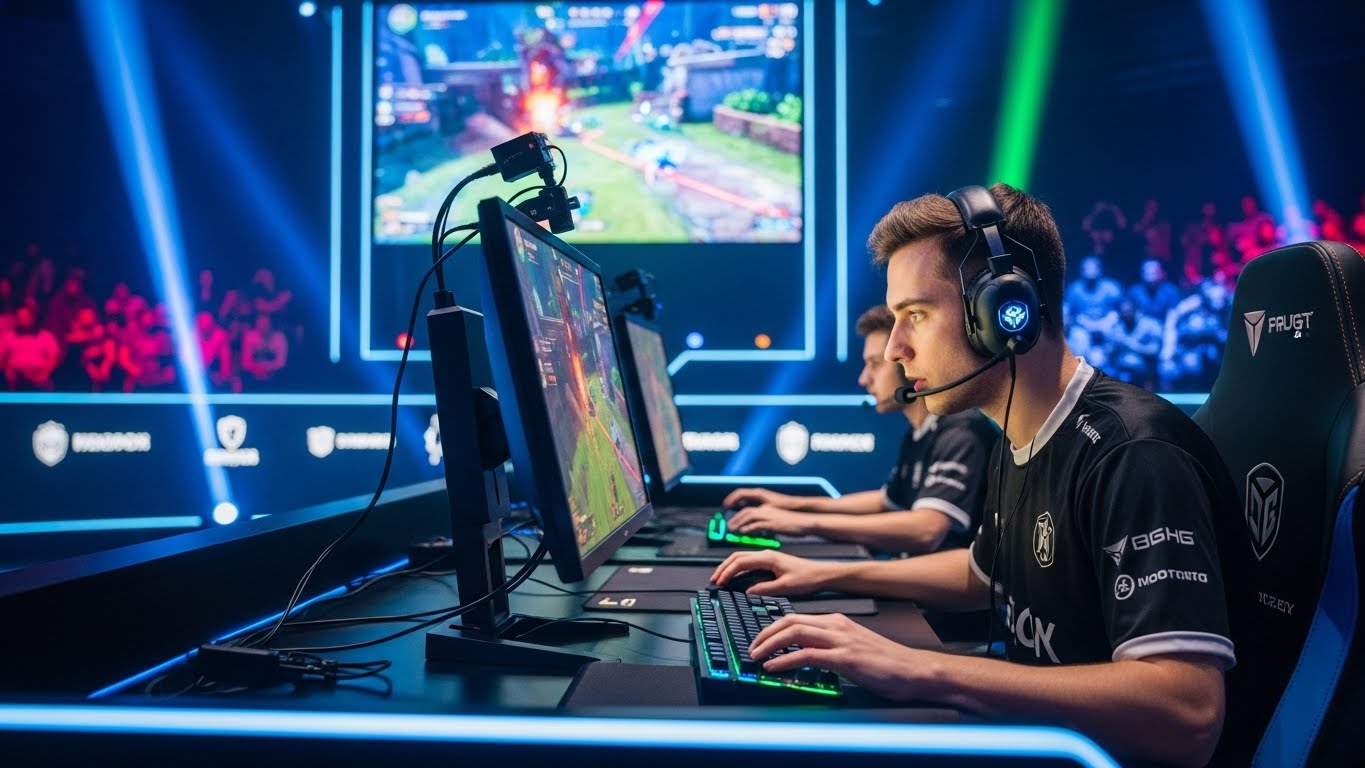
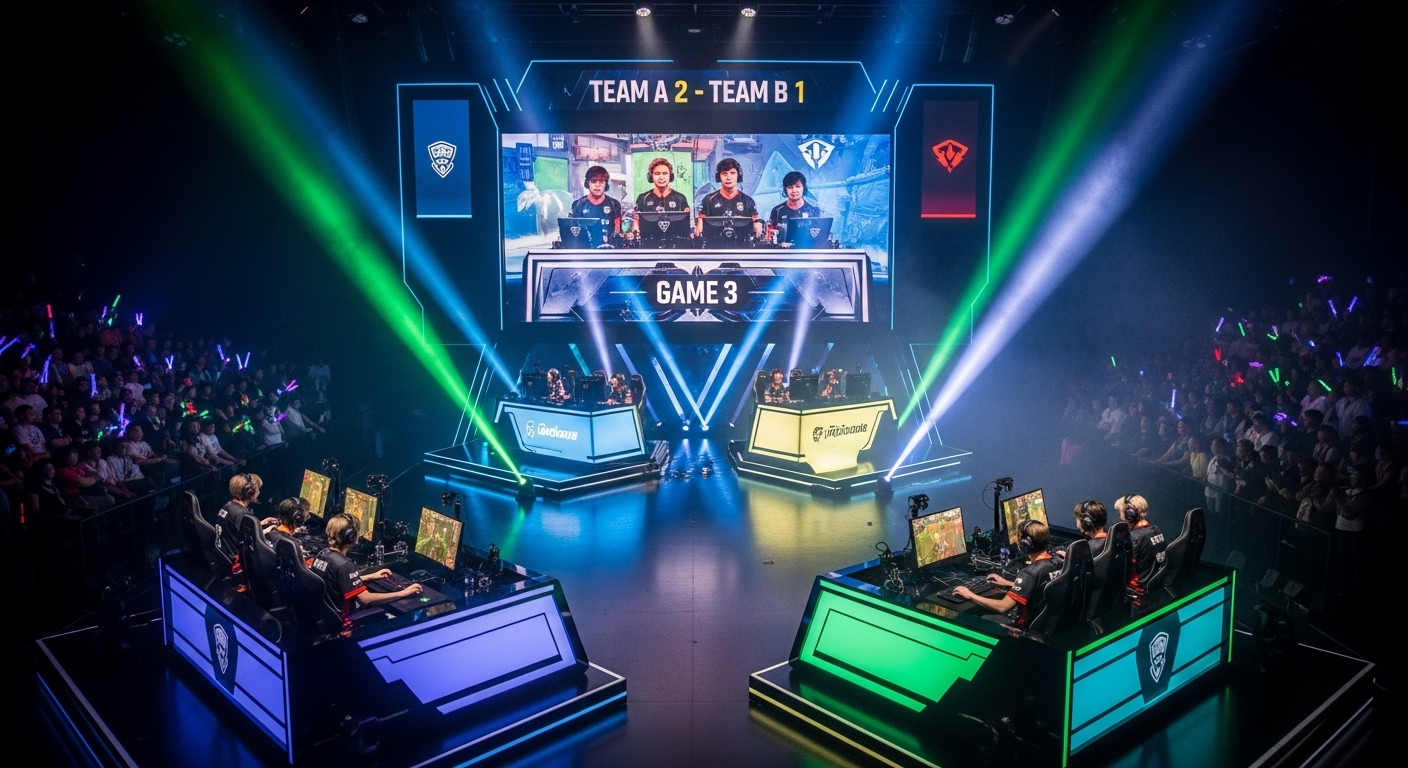
In the last decade, the world of competitive gaming—known as esports—has leapt from niche hobbyism to mainstream prominence. What was once the domain of basement tournaments and small local communities now fills stadiums, commands massive online viewership, and draws serious corporate investment. Esports offers a space where digital skills, strategy, reflexes, and teamwork converge into spectacle. In this article, we explore the evolution of esports, its driving forces, its challenges, and the paths it may take in the years ahead.
What Defines Esports?
Esports, short for electronic sports, is competitive video gaming where individuals or teams compete in structured environments, often for cash prizes, titles, and recognition. Unlike casual play, esports involves professional or semi‑professional structures: training schedules, coaching, analytics, sponsorships, and committed audiences. Key characteristics include high levels of skill specialization, consistent updates and meta shifts in the games, and a viewing culture that merges entertainment and competition.
Historical Evolution: From LAN Parties to Global Championships
Early forms of competitive gaming began in arcades and small gatherings. As home consoles and PC gaming grew, informal contests emerged in the 1990s. But esports truly began to take shape when local area networks (LANs) allowed players to connect in shared physical spaces, competing in games like Quake, StarCraft, and Counter‑Strike.
With increasing internet connectivity in the 2000s, online matches crossed regional boundaries. The growth of streaming platforms allowed fans worldwide to watch competitive games live, turning matches into spectator events. Over time, publishers began to support competitive modes, prize pools grew, and esports matured into a full industry.
Pillars of the Esports Ecosystem
To understand how the esports world functions, it helps to break it into its fundamental components:
Players and Teams
At the heart of esports are the players. High level competitors often specialize in a single game or role and train for many hours daily. Teams organize players, manage coaching, marketing, logistics, and finances. Some players rise to celebrity status, known not just for play but for their personality, streaming presence, and content creation.
Leagues, Tournaments, and Circuits
Esports events come in many shapes: qualifiers, regional leagues, season play, international championships. These structured circuits create narratives, rivalries, and progression. Events often span weeks or months, culminating in finals that attract massive viewership.
Broadcasting and Spectatorship
A vital difference between esports and many video games is the emphasis on watching. Spectatorship is facilitated by streaming platforms with commentary, overlays, replays, and interactive features. A well produced stream can enhance understanding of strategy, drama, and storylines for viewers.
Monetization and Revenue Streams
Esports organizations generate income through sponsorships, advertising, media rights, merchandise, ticket sales, and digital goods. They may also earn from content—streaming, video production, and partnerships. Sustainable monetization is a central challenge for many teams and events.
Support Infrastructure: Coaching, Analytics, Health
Modern esports teams rely on coaches, data analysts, strategists, psychologists, and sometimes fitness or health professionals. Game data and telemetry help in scouting opponents, optimizing strategies, and understanding player performance. Physical and mental well‑being is becoming more recognized as essential for longevity.
Community and Content Ecosystem
Beyond competition, fans engage via content creators, community tournaments, social media, fan art, and discussion forums. Content extends the life of a tournament beyond match hours, cultivates loyalty, and spreads esports culture.
Governance and Integrity
Integrity is essential. Anti-cheat systems, tribunal processes, rules for match‑fixing, doping, and contracts must be solid. As esports grows, the need for consistent governance—fair contracts, player protections, transparent decisions—becomes more pressing.
Regional Diversity and Global Reach
One of esports’ strengths is its ability to transcend geography. Players in South Asia, Latin America, Europe, Africa, and East Asia all compete on global stages. Yet regional scenes matter greatly. Local language commentary, culture-specific teams, and grassroots leagues nurture talent and fan loyalty.
Some regions specialize in particular game types. For example, East Asia has historically dominated in games like MOBA and RTS. Meanwhile, Southeast Asia, South Asia, and Latin America often develop vibrant scenes in FPS and mobile esports because of infrastructure realities and local gaming preferences.
The Role of Game Publishers
A unique feature of esports is that the games themselves are intellectual property of publishers. Publishers often control rules, updates, balance patches, licensing of competitive events, and sometimes revenue sharing. This relationship brings both opportunity and risk. On one hand, publisher support can boost prize pools and stability. On the other hand, sudden game balance changes or decisions by the publisher can disrupt competitive integrity, rendering certain strategies or even entire esports titles obsolete.
Technological and Analytical Innovation
To maintain a competitive edge, esports teams increasingly lean on technology and analytics. Match telemetry, heatmaps, usage stats, and decision trees are mined to find patterns. Predictive models may help forecast opponent choices. AI tools can aid coaching by simulating strategies or spotting weaknesses.
Broadcasting also benefits from tech: automatic highlight detection, camera direction algorithms, overlay enhancements, viewer engagement tools, and real‑time stats. As streaming quality improves globally, more viewers in previously underserved regions can watch high fidelity content.
Emerging tech like augmented reality and virtual reality also promise novel ways to view or compete. Imagine spectating with AR overlays around your environment, or players competing in VR arenas with immersive visuals.
Monetization Trends and Experimentation
Traditional revenue sources—sponsorships, ads, media rights, merchandise—remain foundational. However, esports is fertile ground for experimenting with new models:
- Teams might release in-game cosmetic items or branded skins.
- Fan tokens or digital collectables may allow fans to invest or participate more directly.
- Subscription services can grant exclusive behind‑the-scenes content or coaching insights.
- Dynamic in-stream purchases during broadcasts can engage audiences (e.g. buy a voting token, poll power).
- Partnerships with non-endemic brands (i.e. industries outside gaming) broaden financial support.
These experiments carry both potential and risk: monetization must maintain fairness, avoid alienating fans, and comply with regulations.
Challenges and Headwinds
Despite the excitement around esports, it faces serious challenges:
Player Health, Burnout, and Longevity
Many professional players begin early and push themselves intensely. Extended practice sessions, sleep irregularities, stress, repetitive strain injuries, eye fatigue, and mental stress are common. Career spans tend to be short, highlighting the need for wellness structures, rest protocols, and career transition support.
Integrity and Ethical Risks
With large amounts of money involved, risks of cheating, match-fixing, insider betting, doping, and collusion arise. Esports must maintain stringent oversight, transparent investigations, and enforce penalties to preserve credibility.
Revenue Instability
Many esports organizations struggle to cover costs. Smaller teams, especially in less developed regions, may lack sponsorship or media exposure. Prize pool variability and dependence on publisher decisions make financial planning uncertain.
Over-Saturation and Content Fatigue
The number of esports tournaments has grown rapidly. Some viewers may feel fatigue if there is little differentiation, too many overlapping events, or inconsistent quality. Maintaining scarcity, narrative build‑up, and high production value is crucial.
Dependence on Publishers
Teams and tournaments rely on publishers for licensing, broadcasting rights, patch stability, and competitive integrity. If a publisher decides to pivot or abandon esports support, the ecosystem can suffer. Teams have limited control over foundational elements.
Governance and Standardization
Esports lacks a single global governing body. Different games, regions, and leagues have distinct rules, contract standards, and dispute systems. This fragmentation can lead to confusion, inconsistent player rights, and conflicting regulations.
Notable Case Examples
The International (Dota 2)
One of the most famous esports tournaments, The International, boasts massive prize pools funded by contributions tied to in-game purchases. Its format, production, and prestige have made it a benchmark in esports. The scale of audience, media attention, and historical importance make it a reference point for competitive excellence.
League of Legends World Championship
This annual event draws massive global audiences with high production value, elaborate opening ceremonies, and region‑based rivalries. It demonstrates how narrative, branding, and storytelling elevate the spectacle beyond matches themselves.
Local Scenes and Emerging Regions
In nations with developing esports markets, grassroots tournaments, local leagues, and community streamers play a vital role. These local competitions allow emerging talent to hone skills and gain visibility before stepping onto larger stages.
The Fan Experience and Community Dynamics
Fans are essential to esports. Their passion, engagement, and content creation drive visibility and longevity. Fan culture includes:
- Active engagement in live chat, polls, and interactive features
- Content creation: highlight reels, memes, analysis, fan art
- Local watch parties and community gatherings
- Supporting teams through merchandise and fandom
Because viewers are often simultaneously consumers and participants (e.g. playing the same games), the line between audience and community is narrower in esports than in many traditional sports.
Paths Forward: Predictions for the Next Decade
Looking ahead, several trajectories seem likely for esports’ continued evolution:
Professionalization and Standard Practices
Contracts will become more standardized across regions and games. Player welfare, retirement planning, health benefits, and ethical codes will become industry norms rather than exceptions.
More Immersive and Hybrid Events
Spectatorship will move beyond two‑dimensional screens. Mixed reality viewing experiences, in‑venue AR displays, VR spectator modes, and other immersive techniques may become mainstream. Some events may adopt hybrid formats: qualifiers online, finals in arena, fan interactions across digital and physical spaces.
Decentralization and Fan Ownership
Blockchain and decentralized models could allow fans to hold stakes in teams or events. Fan tokens, decentralized governance, and shared ownership might redefine how teams operate. However, regulation and fairness must be carefully managed.
Crossovers with Traditional Sports and Media
Collaborations between sports franchises and esports teams will deepen. Greater integration of esports into sporting events, entertainment media, and pop culture will continue. Esports narratives may expand into films, music, and crossover events.
Growth in Underserved Regions
Regions currently underrepresented may see rapid growth, particularly in parts of Africa, South Asia, Latin America, and Southeast Asia. Infrastructure improvements, internet access expansion, and localized content will fuel this growth.
Ethical Monetization and Sustainable Models
Monetization strategies will mature, balancing profitability and fairness. Models will shift toward long‑term sustainable revenue rather than short bursts. Greater transparency in spending, revenue sharing, and investment will become essential.
How Aspiring Players, Organizers, and Fans Can Thrive
If you want to get involved in esports—whether as a player, event organizer, content creator, or fan—here are actionable principles:
- Focus on fundamentals: practice game mechanics, positioning, teamwork, and adaptability
- Develop mental resilience and self‑care habits early
- Build a personal brand: stream, create content, engage sincerely with audiences
- Network: connect with coaches, analysts, fellow players, event organizers
- Learn business literacy: understand sponsorship, contracts, revenue models
- Stay informed of regional trends, rule changes, and meta shifts
- Experiment: try content formats, community events, or grassroots tournaments
- Prioritize community: strong local support often scales into wider recognition
For organizers:
- Emphasize quality over quantity: thoughtful pacing, narrative build, good production
- Invest in viewer experience: compelling visuals, commentary, interactive features
- Uphold integrity: clear rules, oversight, fair play
- Support development: grassroots programs, amateur circuits, youth outreach
- Collaborate with local institutions: education, tech hubs, community centers
Conclusion
Esports has evolved from humble beginnings into a dynamic, multifaceted industry redefining competition, entertainment, and community in the digital era. Its combination of skill, strategy, technology, and passion offers something unique in the world of sport and media.
But with opportunity comes responsibility. For esports to thrive sustainably, it must balance innovation with fairness, growth with integrity, and monetization with respect for players and fans.
As a player, fan, or industry participant, there has never been a more exciting time to engage. The digital arena is expanding, and the story of esports is still being written. Be part of what comes next.