Introduction
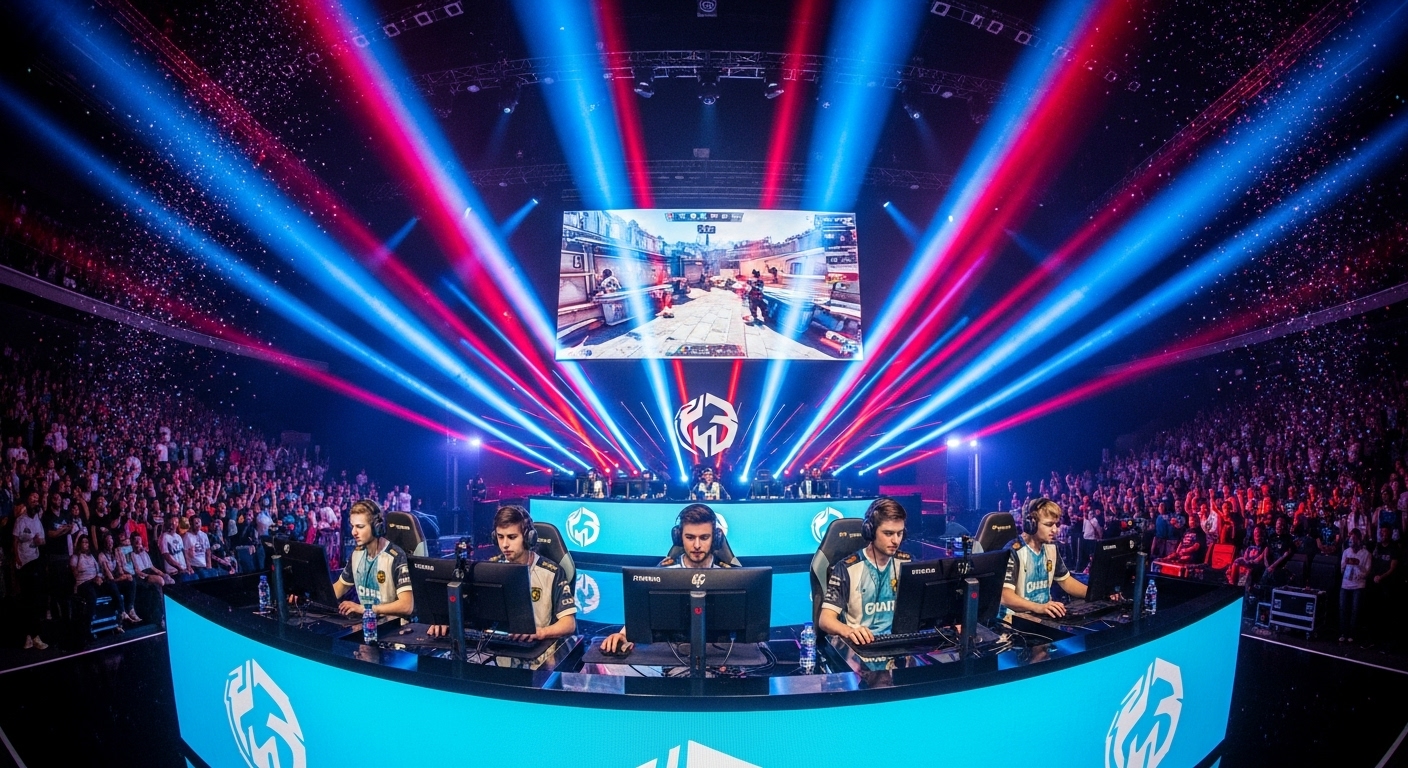
Esports, short for electronic sports, has emerged as one of the most influential forces in modern entertainment. Once considered a niche hobby for dedicated gamers, it has transformed into a global industry that attracts millions of players, viewers, and investors. With professional leagues, international tournaments, multimillion-dollar prize pools, and celebrity players, esports has redefined the meaning of competitive sports in the digital age. Beyond gaming, esports impacts culture, education, business, and technology, creating a multidimensional platform that unites people worldwide. This blog explores the evolution of esports, its societal influence, the dynamics of competition, and its promising future.
The Origins of Esports
Competitive gaming has existed almost as long as video games themselves. The first recorded gaming tournaments date back to the 1970s and 1980s, with arcade competitions and home console challenges. Games such as Space Invaders and Pac-Man drew enthusiasts who competed for high scores and local recognition. With the arrival of networked computers and the internet in the 1990s, multiplayer games like StarCraft and Counter-Strike introduced players to global competition. These early developments laid the foundation for professional esports, where structured tournaments, sponsorships, and organized teams became standard.
The Rise of Professional Players
Esports players today are not just hobbyists; they are professional athletes who dedicate countless hours to refining their skills. These players undergo rigorous training routines that focus on hand-eye coordination, strategy, teamwork, and mental resilience. Professional esports organizations provide coaching, analytics support, psychological training, and structured schedules to maximize performance. Players gain recognition through consistent performance in tournaments, creating fan bases, brand sponsorships, and social media influence. The rise of professional players has elevated esports to a level comparable to traditional sports in both prestige and visibility.
Popular Esports Genres and Titles
Esports spans multiple game genres, each demanding unique skill sets. Multiplayer Online Battle Arena (MOBA) games, like League of Legends and Dota 2, focus on strategy, teamwork, and long-term planning. First-Person Shooter (FPS) games, including Counter-Strike and Call of Duty, require fast reflexes, precision, and spatial awareness. Fighting games, sports simulations, and battle royale titles offer competitive diversity, appealing to various audiences. This range ensures that esports attracts a broad spectrum of players and viewers, fostering specialized communities and fan engagement worldwide.
The Spectator Experience
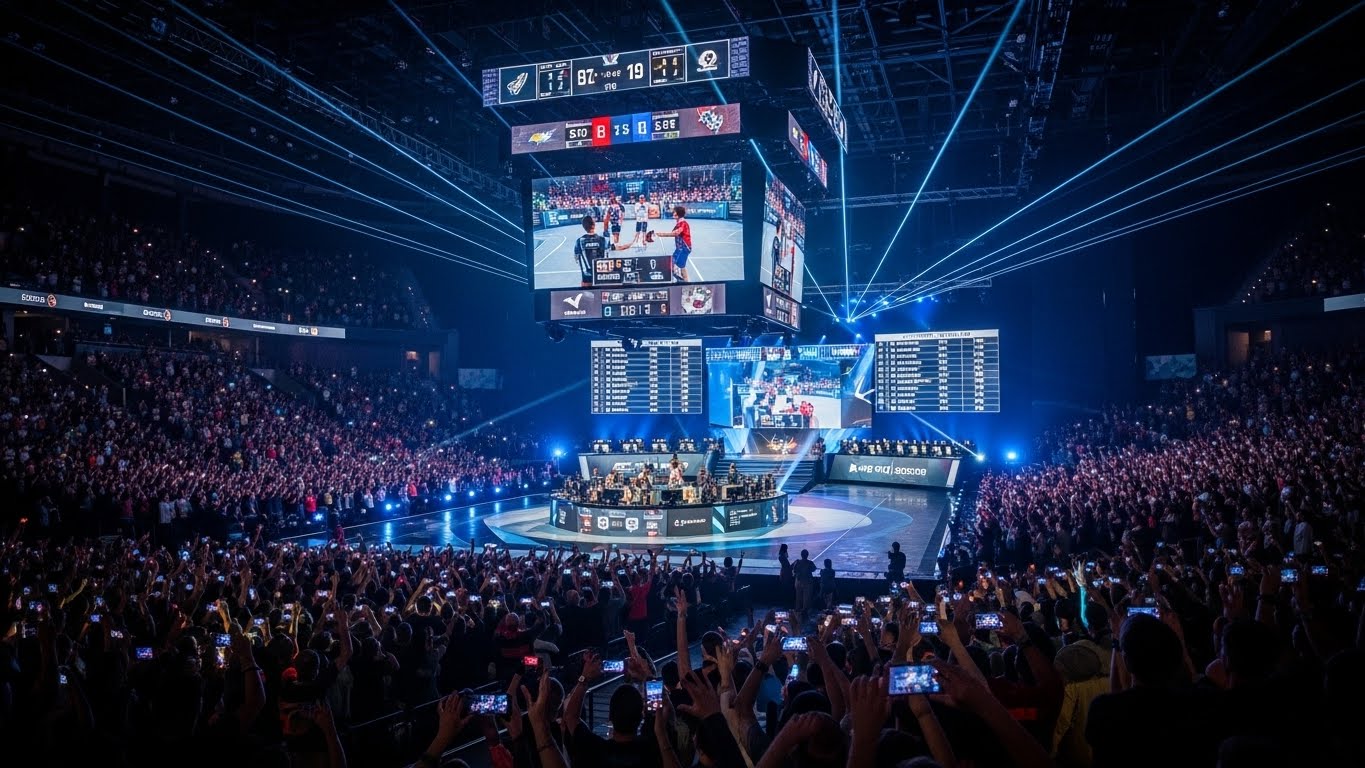
Esports is unique in its accessibility and engagement for spectators. Unlike traditional sports, which rely on physical presence or limited broadcast angles, esports allows fans to watch matches from multiple perspectives, follow individual players, and access live statistics. Platforms offer interactive commentary, real-time analysis, and dynamic visuals that enhance the viewing experience. Spectators can engage through chat, forums, and social media, creating a participatory environment that strengthens the connection between players and fans. This interactive approach sets esports apart as both a participatory and observational form of entertainment.
Streaming Platforms and Content Creation
Streaming platforms have been instrumental in the growth of esports. Services allow players, content creators, and professional teams to broadcast gameplay to millions of viewers. Streamers educate audiences, showcase strategies, and provide entertainment, forming a direct link between esports professionals and fans. Content creators contribute to community building, shaping gaming culture, and expanding the reach of esports beyond tournaments. The rise of streaming has democratized access, enabling fans to engage with esports anytime, anywhere, and fostering global fan communities.
The Business of Esports
Esports is now a billion-dollar industry with diverse revenue streams. Sponsorships, merchandising, media rights, tournament prize money, and streaming partnerships generate significant income for players, teams, and organizations. Major corporations, including technology brands, energy drinks, and apparel companies, invest heavily in esports sponsorships. Tournaments like The International and the League of Legends World Championship offer multimillion-dollar prize pools, attracting top talent and viewership worldwide. The economic scale of esports demonstrates its transition from hobbyist competition to a professional, sustainable business ecosystem.
Global Expansion of Esports
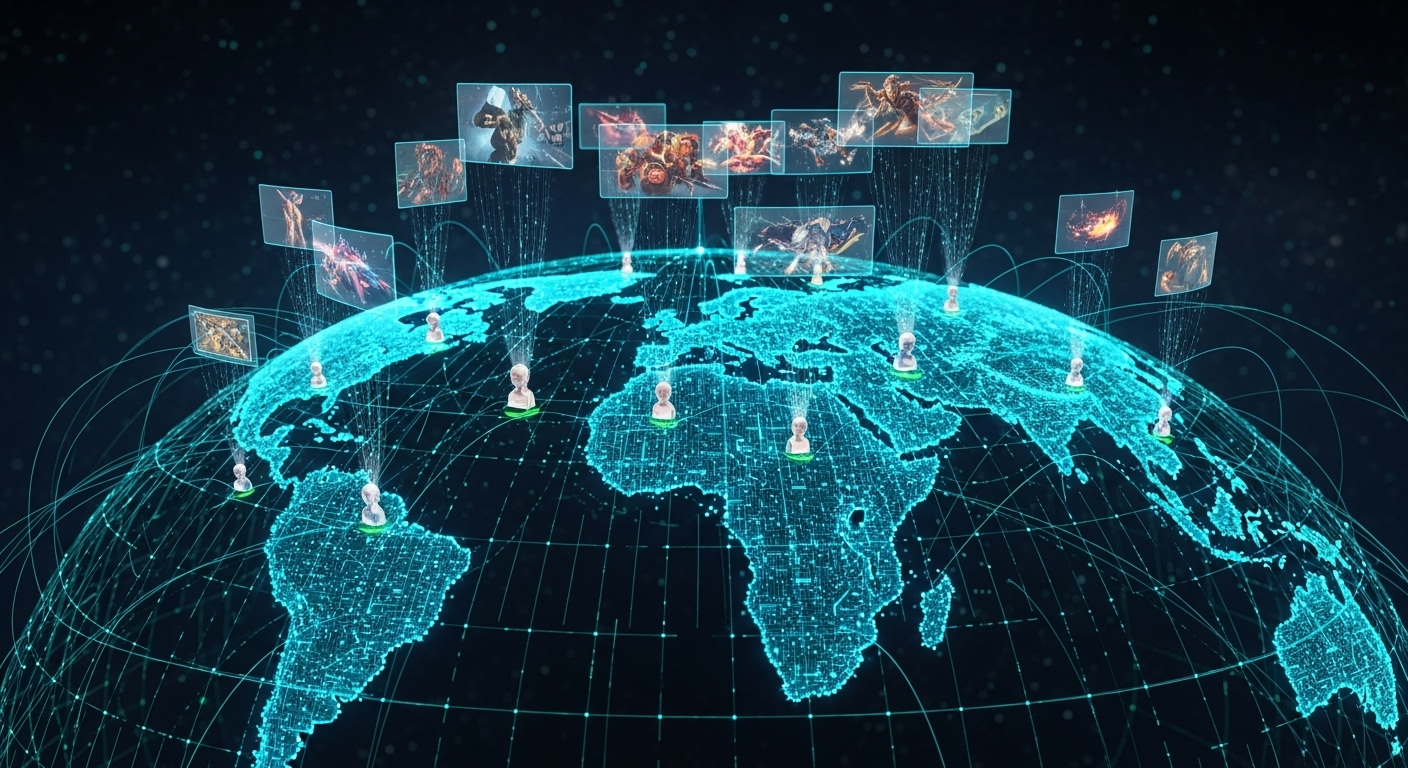
Esports has grown into a global phenomenon, with major hubs in Asia, North America, and Europe. Countries invest in esports infrastructure, support competitive leagues, and integrate esports into education systems. Universities offer scholarships for esports athletes, and professional leagues span continents. International tournaments foster cultural exchange and global collaboration, connecting fans and players across diverse regions. This global expansion underscores the universal appeal of esports and its potential to unite people through shared passion and competition.
Education and Esports
Esports has found a place within education, teaching students essential life skills. Participation in school and university esports programs enhances teamwork, strategic thinking, communication, and leadership. Educational institutions increasingly recognize the value of esports scholarships, allowing students to pursue higher education while competing at a professional level. Beyond gameplay, esports teaches digital literacy, critical thinking, and time management. Integrating esports into education illustrates its broader societal impact and its potential to develop well-rounded, skillful individuals.
Physical and Mental Demands of Esports
Professional esports athletes face significant physical and mental challenges. Intense training sessions demand high levels of focus, hand-eye coordination, and endurance. Mental resilience is essential to cope with competitive pressure, long schedules, and public scrutiny. Many professional teams employ psychologists to manage stress and enhance performance. Contrary to misconceptions that esports is purely recreational, competitive gaming requires discipline, strategy, and holistic preparation similar to traditional sports.
Community and Cultural Impact
Esports has cultivated vibrant communities that extend far beyond competitive gameplay. Fans participate in forums, create content, share strategies, and attend live events. Esports culture emphasizes innovation, inclusivity, and collaboration, fostering creativity and identity among players and supporters. Community-driven tournaments, fan conventions, and social platforms strengthen the bond between players and audiences. Esports culture has influenced fashion, music, and digital media, establishing itself as a significant component of modern entertainment and youth culture.
Challenges in the Esports Industry
Despite its rapid growth, esports faces several challenges. Player burnout, economic disparities among teams, and competitive integrity remain pressing issues. Regulatory frameworks vary across countries, impacting fair play, sponsorship, and taxation. Ethical concerns, including cheating and harassment, must be addressed to maintain the credibility of the industry. Ensuring access to esports for diverse participants and promoting mental health are ongoing priorities. Addressing these challenges is essential for the sustainability and global recognition of esports.
The Future of Esports
The future of esports is poised for continued innovation and expansion. Emerging technologies such as virtual reality, augmented reality, and artificial intelligence will redefine competitive gameplay and spectator experiences. The integration of esports with traditional sports and entertainment industries will broaden its audience and cultural impact. Educational and career opportunities will continue to grow, creating new pathways for aspiring players and professionals. As accessibility improves, esports will reach new markets and demographics, solidifying its position as a mainstream global phenomenon.
Conclusion
Esports has transformed from a niche hobby into a global cultural and professional powerhouse. It combines skill, strategy, teamwork, and entertainment in ways that traditional sports cannot fully replicate. The industry influences culture, business, education, and technology, offering both participants and spectators unique experiences. As esports continues to evolve, it will further bridge the gap between digital and physical competition, connect communities worldwide, and redefine what it means to compete in the twenty-first century. Esports is more than gaming; it is a reflection of human ambition, creativity, and connection in the digital era.