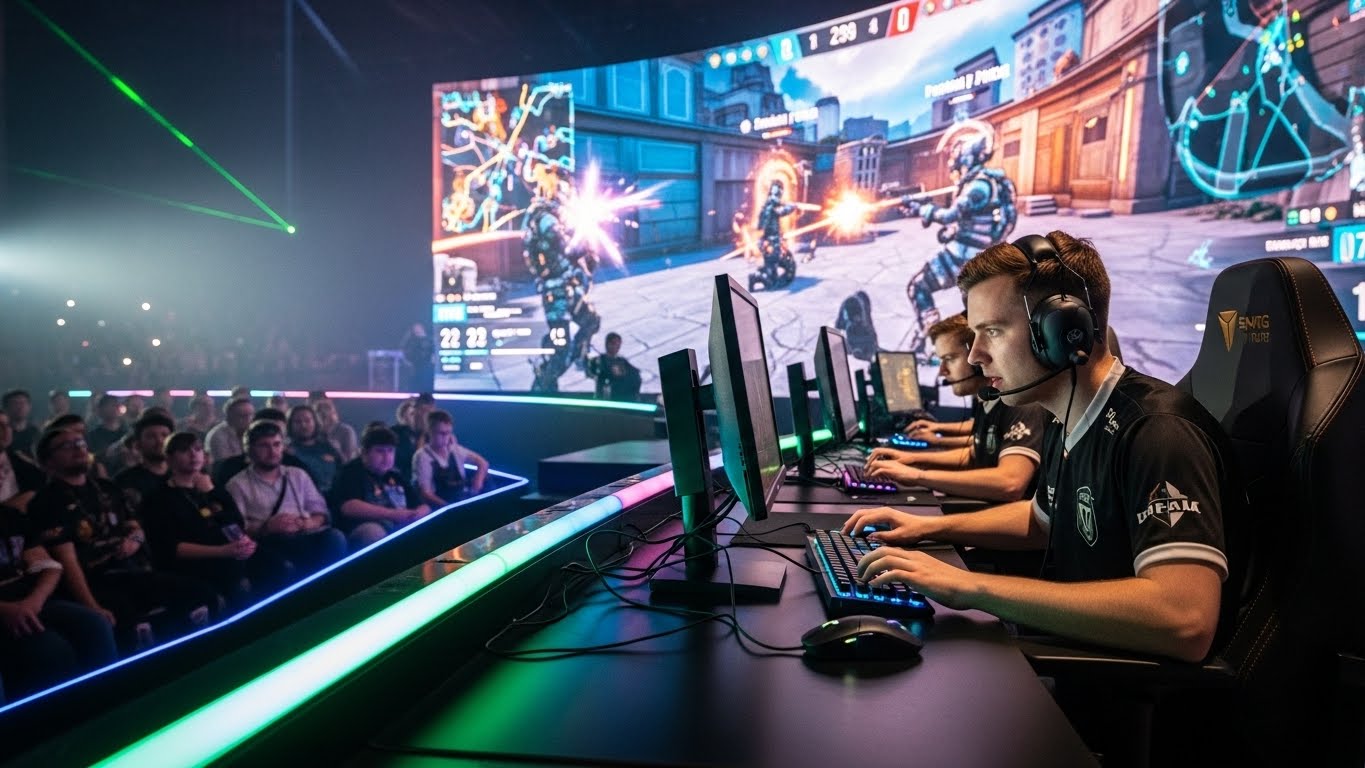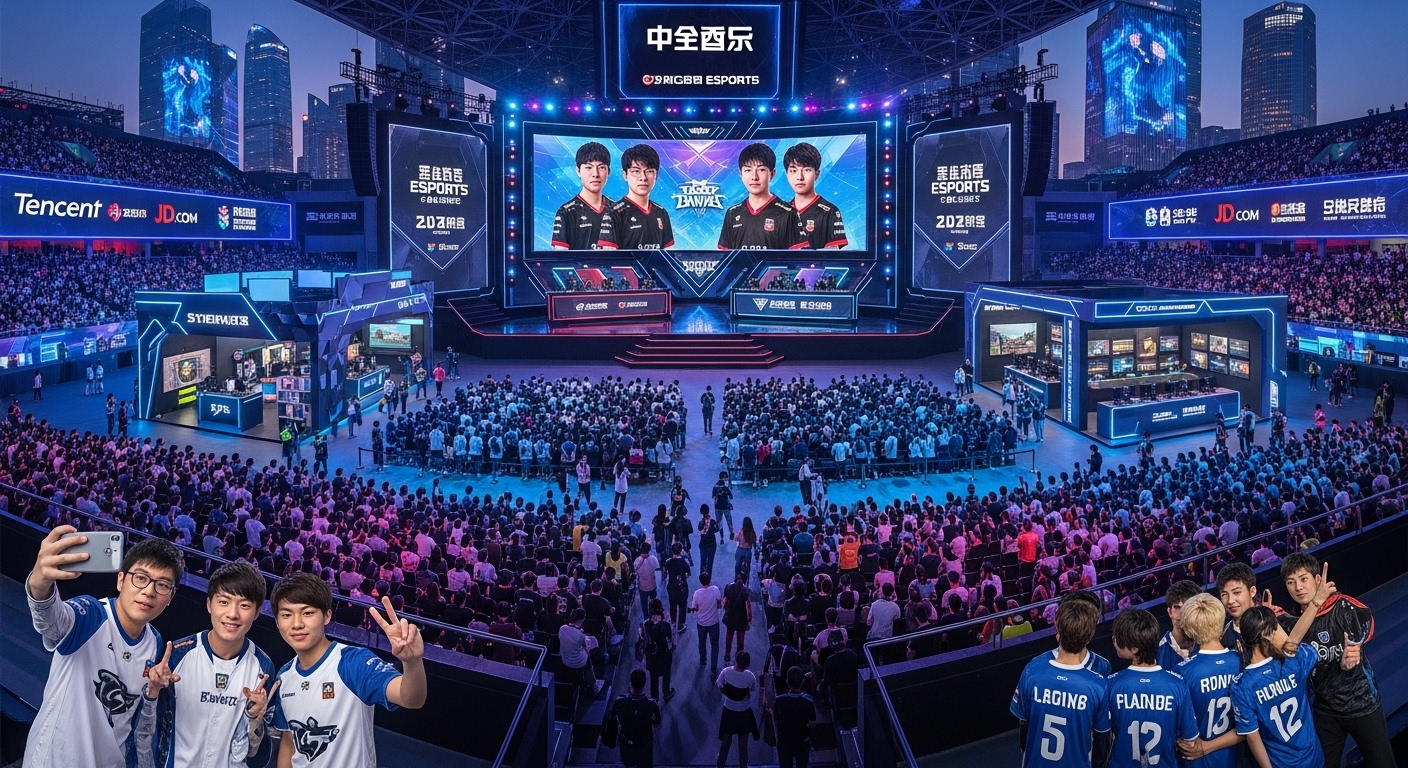
China’s esports scene is not just big — it’s a multi-layered ecosystem that blends gargantuan audiences, powerful tech giants, passionate grassroots communities, and shifting government policy. From stadium finals watched by tens of millions to mobile titles that dominate app-store charts, China’s competitive gaming industry shapes global esports in ways few other countries can match. This post unpacks how China built this behemoth, the companies and games that drive it, the money behind the scenes, the policy and social pressures that steer it, and what the future might hold.
A quick snapshot: how big is “big”?
Numbers vary by source and what they include (pure esports revenue, game sales, streaming, sponsorships, merchandise, etc.), but the headline is consistent: China’s esports market is on the order of tens of billions of RMB and has returned to growth after a few years of regulatory uncertainty. One industry report put esports revenue for China at 27.568 billion RMB (~£2.97 billion) in 2024, with a modest year-on-year increase — and industry associations reported growth again in 2024 after earlier contractions.
Outside of narrowly defined esports revenue, China’s entire games market dwarfs esports alone — hundreds of billions of RMB — which creates a deep talent pool and constant pipeline of new titles that can be turned into competitive scenes. Estimates for market growth through the next decade show high compound annual growth rates (CAGRs), with forecasts projecting substantial expansion by 2030 as monetization and sponsorship models matur
Why China? Four structural advantages
- Massive audience & mobile-first culture. China has hundreds of millions of gamers — a mobile-first population that made titles like Honor of Kings and Peacekeeper Elite household names. Mobile esports has become particularly dominant because it’s accessible, social, and easy to monetize. This scale creates enormous viewership numbers for major tournaments and streaming channels.
- Vertical integration by tech giants. Companies like Tencent and NetEase don’t just develop games — they own distribution, publish titles, control payment systems, sponsor leagues, and invest in content creators and tournament operators. That vertical power allows fast experimentation, deep pockets for prize pools and production, and global expansion strategies. Tencent’s gaming and esports investments have been central to the industry’s growth and international pus
- Robust streaming ecosystem. Platforms such as Douyu, Huya (now merged/related in various ways), Bilibili, and short-video networks host massive live audiences and creators, and streaming revenue (ads, subscriptions, tipping) makes up the lion’s share of esports income in China. Industry reports note streaming as the single largest component of esports rev
- Deep grassroots & professional pathways. From amateur clubs and university teams to franchised pro leagues and academy systems, China has developed pipelines for players, coaches, shoutcasters, and production crews — all trained in a fiercely competitive local scene that feeds global competitions.
Major games and genres driving the scene
China’s esports ecosystem is eclectic, but a few genres and titles stand out:
- Mobile MOBAs and shooters — Honor of Kings (Tencent) and Peacekeeper Elite (the domestic localization of PUBG Mobile) attract massive player bases and viewership, and their developer-backed leagues are professional, polished, and profitable. These titles exemplify China’s mobile-first esports
- PC MOBAs and Dota-style titles — Dota 2 and its Chinese juggernauts continue to command passionate fanbases; teams and orgs invest heavily in Dota rosters because international tournaments still offer enormous prize pools and prestige.
- League of Legends (LoL) — The League of Legends Pro League (LPL) is one of the richest and most-watched regional LoL leagues globally; Chinese teams have repeatedly challenged and won world championships, and the LPL’s production values and fan engagement are benchmarks. (Riot Games’ global LoL ecosystem remains central to China’s esports narrative.)
- FPS and tactical shooters — Titles like CrossFire, Counter-Strike variants, and mobile FPS titles see strong competitive play and local leagues.
This mix — global PC esports plus dominant local mobile esports — gives China both wide reach and proprietary stars: internationally relevant teams and titles with massive domestic monetization.
The money: who pays, and where does revenue come from?
Esports revenue in China tends to concentrate in a few streams:
- Streaming & content: This is the largest slice for many reports. Live broadcasts, VOD, streamers’ tipping, subscriptions, and platform ads combine to form a high-margin revenue stream. EsportsInsider’s coverage of the 2024 industry report highlighted streaming accounting for the majority of esp
- Sponsorships & advertising: Brands pay to reach young, engaged audiences. In China, sponsorship deals often extend beyond jerseys and ads to integrated campaigns inside games, co-branded merchandise, and influencer partnerships.
- Event ticketing & IP operations: While event ticket revenue is smaller compared to streaming, large-scale finals (stadiums, multi-day festivals) generate significant on-site spend and publicity. Event production is also an IP business — organizers sell media rights, regional rights, and packages.
- Clubs & merchandise: Pro teams diversify into merchandising, talent management, and content studios; successful orgs can monetize fandom through apparel, peripherals, and celebrity players.
- Game sales & in-game purchases: While not always counted as “esports revenue,” the parent games’ monetization (skins, passes, cosmetic items) funds publisher investment in competitive scenes.
China’s esports revenue mix favors digital content (streaming + in-game monetization), which differentiates it from some Western markets where sponsorship and media rights historically dominated.
Key players: orgs, publishers, and platform operators
- Publishers & platforms: Tencent is the largest single actor — developer, publisher, league owner, rights holder, and investor. NetEase is another homegrown heavyweight. These firms can underwrite events, bankroll leagues, and export Chinese IP and tournament formats overseas. Reuters and other outlets have repeatedly emphasized Tencent’s strong gaming revenues and its centrality to China’s esports ecosystem.
- Tournament organizers & production houses: Companies such as VSPN and other production ecosystems build high-quality broadcasts, stagecraft, and event logistics. Investment in production is a major reason China’s tournaments often match or exceed international standards.
- Esports organizations (teams): Names like Invictus Gaming, Royal Never Give Up (RNG), EDward Gaming (EDG), Team WE, LGD, and many more have become household brands domestically and are competitive internationally. These orgs operate multiple rosters across games, run content studios, and manage merchandising arms.
- Streaming platforms & creators: Douyin (TikTok’s Chinese cousin), Bilibili, Douyu, Huya, and other platforms host marquee tournaments and thousands of streamer personalities who are essential for community engagement and monetization.
Government, regulation, and social pressures: a balancing act
One of the defining features of China’s gaming and esports industry is how regulatory shifts can alter the landscape overnight. Beijing has long shown an appetite to regulate gaming — especially around youth protection, anti-addiction measures, and content approvals — but it also recognizes gaming and esports as strategic cultural and economic sectors.
- Content approvals: Game approvals (licenses to publish online games) have been a contentious bottleneck; approvals in 2023–2024 and responses to proposed draft curbs have directly affected market sentiment and company valuations. At times when approval processes slowed, investment and new title launches cooled; when approvals resumed, the sector recovere
- Youth protection policies: China has implemented strict rules limiting underage playtime and in-game spending incentives. Publishers and esports operators have adapted by building “healthy gaming” modes, promoting responsible play, and shifting more monetization toward adult audiences and international markets.
- State support for esports as cultural export: Despite regulatory constraints, policymakers have also promoted esports as a soft-power export and an industrial priority — encouraging esports parks, university programs, and international tournaments hosted in China. This dual approach — regulate consumption but support industrial growth — creates a unique operating environment.
The lesson: China’s esports companies must be nimble in product design, compliance, and market diversification. Those that adapt — especially by moving monetization overseas or into adult-skewing products — have the best chance of sustained growth.
Business models under strain — and how companies are responding
Globally, esports has faced what journalists and analysts have called an “esports winter” at times: rising costs, tougher monetization, and pressure on mid-tier orgs. China shares some of these pains but has unique coping strategies:
- Leveraging parent-company scale. Tencent and NetEase can support leagues and teams with cross-subsidies from other, more profitable business lines. This gives Chinese esports a cushioning effect absent in many Western markets.
- Exporting IP. Tencent, in particular, has been pushing domestic hits into international markets (localization, cross-platform launches) to grow global audiences and diversify revenue beyond the domestic regulatory frame. Recent financial results show notable international growth in gaming revenue — suggesting the export strategy is taking hold.
- Platform integration. Esports ecosystems tightly integrate streaming, advertising, e-commerce, and in-game events so that a single match broadcast can drive multiple revenue legs: ads, tipping, merchandise, and in-game purchases.
- Sponsorship innovation. Brands in China often pursue deeper integrations — in-game activations, celebrity influencer tie-ins, co-branded marketing beyond banners — to capture fan attention in crowded feeds.
Cultural impact: fandom, stars, and mainstream visibility
Esports stars in China enjoy celebrity status. Top players — especially LoL and mobile MOBAs stars — have social followings rivaling mainstream athletes. Big finals become cultural events: stadium sell-outs, multi-platform live broadcasts, and trending topics across social media. This mainstreaming has ripple effects:
- Universities and vocational schools offer esports curricula.
- Brands lean into esports celebrities for broader marketing campaigns.
- Fashion, music, and entertainment cross over with esports, producing hybrid events and co-productions.
This cultural influence helps normalize competitive gaming as a legitimate career path and attracts more professionals into the ecosystem: managers, production crews, commentators, coaches, and data analysts.
Challenges and friction points
China’s esports ecosystem is colossal, but not without problems:
- Monopolistic concentration risks. Heavy influence by a few big firms means competition may be stifled at times. While vertical integration supports scale, it can also crowd out independent creators and smaller orgs.
- Sustainability of mid-tier teams. While top orgs can monetize across many channels, smaller teams struggle with rising player salaries, travel costs, and production expenses.
- Regulatory unpredictability. Even measured policies can cause investor jitters; sudden or ambiguous regulatory draft guidelines have historically led to market sell-offs and rapid shifts i
- Monetization concentration. Because streaming dominates revenue, a heavy dependence on a single revenue channel can create systemic risk if platform economics change.
Innovation fronts: where China is pushing the envelope
Several areas show China leading or innovating in ways that will affect global esports:
- Mobile-first competitive models. China’s success with mobile esports — fully developed pro circuits, high production values, and substantial monetization — demonstrates a viable alternative to PC-first esports ecosystems in other regions.
- Event production and scale. Chinese organizers have refined stadium-level production, multi-camera broadcasts, and festival-style events that combine concerts, fan interactions, and brand activations. The production playbook is exportable.
- Data-driven engagement. Platforms integrate real-time data overlays, player stats, micro-interactions for viewers, and gamified viewing experiences that keep audiences engaged and increase ARPU (average revenue per user).
- Cross-industry tie-ins. From fashion drops to music collaborations and in-game concerts, esports events increasingly mirror pop-culture extravaganzas.
The global angle: China’s role in international esports
Chinese teams and tournaments are central to global competitive legitimacy. International tournaments look to Chinese audiences for viewership numbers, and Chinese publisher power (Tencent’s stakes in Western companies and Riot’s global LoL ownership) means China can shape global esports rules, monetization norms, and league organization. Additionally, Chinese orgs invest abroad and sign international players, creating blended, transnational rosters and fanbases.
At the same time, Chinese publishers are pushing domestic IP abroad to build international leagues and localized versions of successful mobile titles — a two-way flow of talent and content that will increasingly globalize esports.
Case study snapshots
- Tencent’s strategic posture. Tencent’s investments across games, streaming, and esports production give it leverage to incubate and scale esports properties rapidly. Recent financial results show a solid gaming performance and increased overseas gaming revenue, underscoring Tencent’s dual domestic-international strategy
- Market projections. Multiple market-research outfits forecast strong CAGR for China’s esports market into the late 2020s and early 2030s, suggesting a large runway for expansion if publishers and platforms continue innovatin
What this means for outsiders: investors, organizers, and creators
- Investors should treat China as strategic but nuanced: scale and growth exist, but regulatory and concentration risks require careful partner selection and scenario planning.
- Event organizers outside China can learn from Chinese production and mobile activation models: short, interactive segments, seamless e-commerce tie-ins, and celebrity-driven promotional ecosystems.
- Creators and streamers can look to China for playbooks on integrating live commerce, leveraging short-video virality to grow long-form viewership, and collaborating across entertainment verticals.
Where things could go wrong — and upside scenarios
Downside risks: the biggest threats are regulatory shifts that limit monetization channels (e.g., stricter youth restrictions or payment rules), global macro slowdowns that reduce advertising and sponsorship budgets, or concentration effects that squeeze smaller participants out of the market.
Upside scenarios: continued export of successful mobile titles, expanded international tournaments with Chinese participation, new revenue streams from AR/VR spectator experiences, and maturation of sponsorship models that bring stable, long-term brand partnerships.
If publishers keep diversifying — both by moving into overseas markets and by innovating product and monetization — China’s esports industry can continue to expand even if the domestic regulatory dial tightens.
Final thoughts: China’s esports future is big, but not inevitable
China’s esports industry today is the result of scale, corporate muscle, cultural adoption, and production-savvy players. That mix produces domination in mobile esports and deep competitiveness in PC esports — and it has already shaped how the world watches and monetizes competitive gaming.