Introduction: The Rise of a Digital Arena
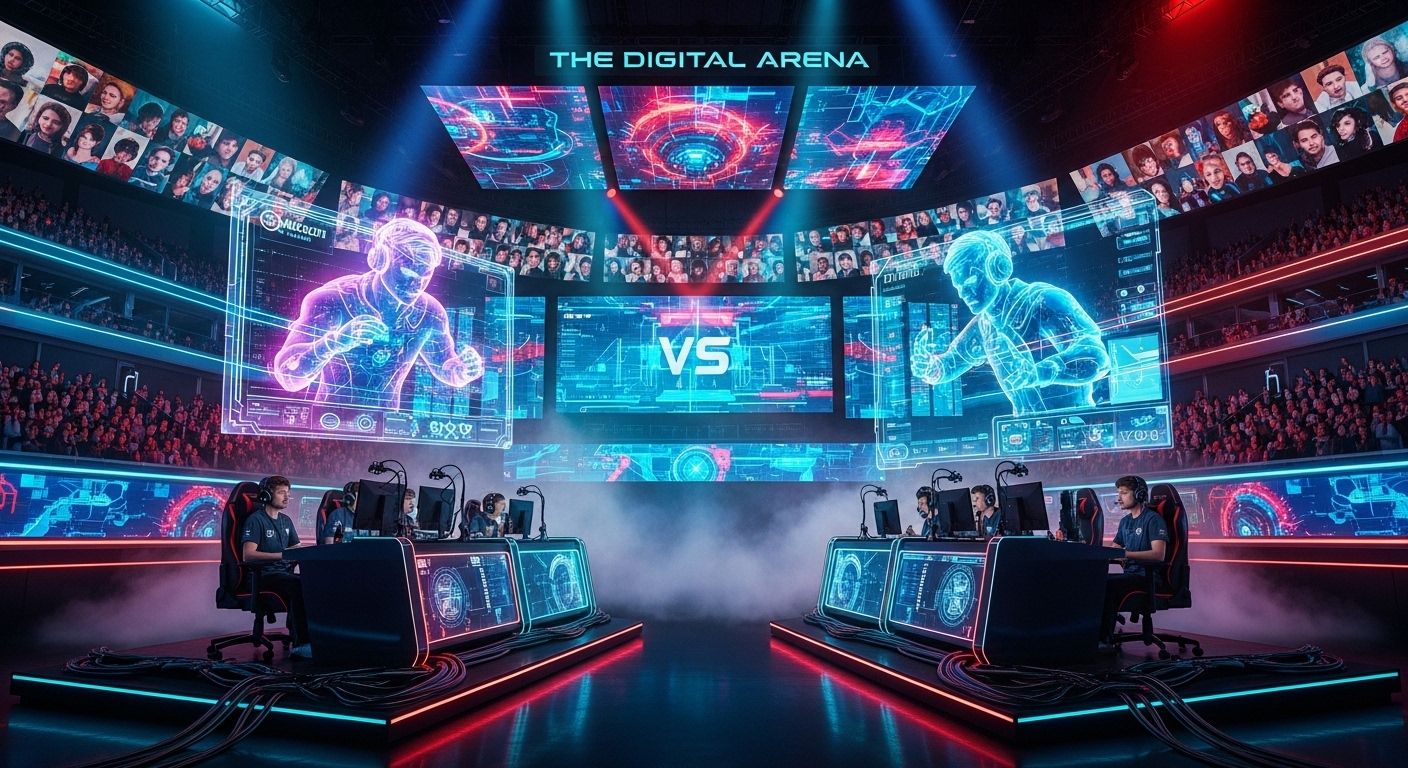
Esports, once dismissed as a niche hobby for gamers, has evolved into a global competitive phenomenon. Today, packed arenas, millions of online viewers, professional teams, coaches, analysts, and multi-million prize pools define this rapidly growing industry. Esports is no longer just about playing video games; it is about competition, strategy, entertainment, technology, and culture converging into a new form of sport. As traditional boundaries blur, esports is reshaping how the world understands athleticism, teamwork, and professional success in the digital age.
What Exactly Is Esports?
Esports, short for electronic sports, refers to organized, competitive video gaming where individuals or teams compete against each other under structured rules. Unlike casual gaming, esports emphasizes skill mastery, strategic depth, and high-level performance. Games such as first-person shooters, multiplayer online battle arenas, real-time strategy games, and sports simulations dominate the competitive scene.
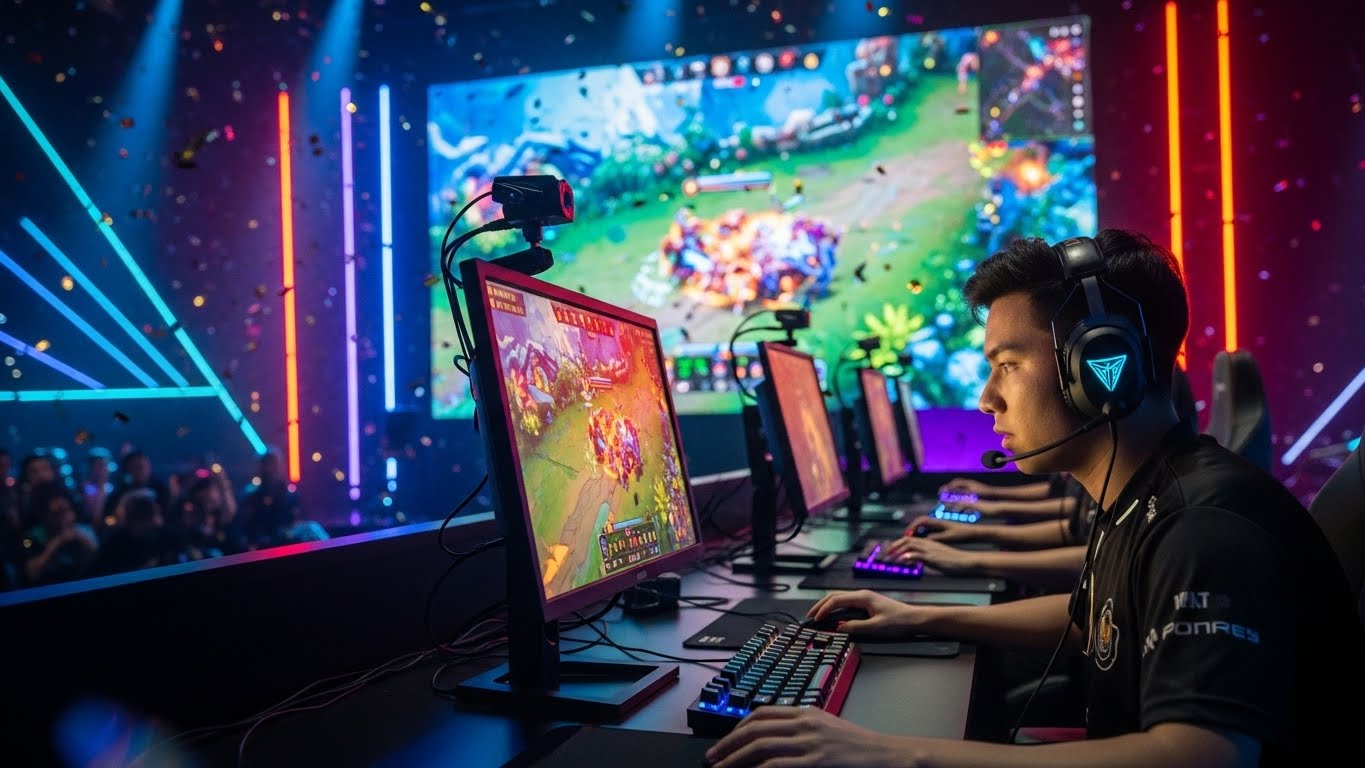
Professional esports players train rigorously, often following daily schedules that include practice scrims, strategy discussions, physical fitness, and mental conditioning. Much like traditional athletes, they aim to improve reaction time, coordination, decision-making, and teamwork.
From Arcades to Stadiums: A Brief Evolution
The origins of esports can be traced back to early arcade competitions and local gaming tournaments. What began as small-scale events gradually transformed with the rise of the internet, enabling online multiplayer competition. Streaming platforms played a crucial role in accelerating esports growth by allowing fans to watch live matches from anywhere in the world.
Over time, tournaments moved from small halls to massive stadiums, drawing crowds comparable to traditional sports events. This evolution reflects not only technological advancement but also changing attitudes toward gaming as a legitimate form of competition and entertainment.
The Games That Power the Esports Industry
At the heart of esports are the games themselves. Each genre brings its own style of competition and audience appeal. Tactical shooters emphasize precision and teamwork, while strategy-based games reward long-term planning and adaptability. Some titles focus on fast-paced action, while others demand patience and mental endurance.
What makes esports games particularly compelling is balance. Developers continuously update games to ensure fairness, prevent stagnation, and keep competition fresh. This constant evolution requires players to adapt quickly, making esports a dynamic and intellectually demanding pursuit.
Professional Players: Athletes of the Digital Era
Esports athletes challenge traditional notions of what it means to be a sports professional. While physical strength may not be the primary requirement, mental resilience, hand-eye coordination, reflexes, and strategic thinking are essential. Top players often peak at a young age, driven by reaction speed and adaptability.
The lifestyle of a professional esports player is demanding. Long practice hours, performance pressure, public scrutiny, and short career spans are common challenges. To address these issues, many organizations now employ sports psychologists, fitness trainers, and nutritionists, recognizing that overall well-being directly impacts performance.
Teams, Organizations, and Infrastructure
Esports is supported by a complex ecosystem of teams and organizations. Professional teams function similarly to traditional sports clubs, with management, sponsorships, branding, and fan engagement strategies. Players are signed to contracts, transferred between teams, and represented by agents.
Behind the scenes, analysts study gameplay data, coaches develop strategies, and support staff manage logistics. This infrastructure highlights how esports has matured into a professional industry rather than remaining a casual pastime.
The Business of Esports
Esports is not only about competition; it is also a powerful business engine. Revenue streams include sponsorships, advertising, merchandise, ticket sales, and media rights. Brands from technology, fashion, food, and even automotive industries have entered the esports space, recognizing its strong connection with younger audiences.
Unlike traditional sports, esports thrives in the digital economy. Online viewership often surpasses physical attendance, and fan engagement occurs primarily through digital platforms. This model allows esports to scale rapidly across regions and cultures, making it one of the most globally accessible forms of entertainment.
Esports and Youth Culture
One of the defining features of esports is its deep connection with youth culture. For many young people, esports is more relatable than traditional sports, as it aligns with their digital lifestyles. It offers a sense of identity, community, and aspiration.
Esports has also influenced fashion, language, music, and online behavior. Fans follow players like celebrities, imitate their playstyles, and engage in vibrant online communities. This cultural impact demonstrates that esports is not just a competitive activity but a social movement shaping modern youth expression.
Education and Career Opportunities
The growth of esports has opened doors beyond professional play. Careers now exist in game design, event management, broadcasting, marketing, data analysis, and coaching. Educational institutions have started offering esports programs, scholarships, and dedicated training facilities.
For students, esports provides opportunities to develop transferable skills such as teamwork, communication, problem-solving, and digital literacy. These skills are valuable not only within the gaming industry but also across technology and media sectors.
Challenges Facing the Esports Industry
Despite its success, esports faces several challenges. Player burnout, lack of standardized regulations, and concerns about fair play are ongoing issues. The industry must also address inclusivity, ensuring equal opportunities regardless of gender, background, or region.
Another challenge lies in public perception. While acceptance has grown, some still question the legitimacy of esports as a sport. Addressing these concerns requires continued professionalism, transparency, and responsible management across the industry.
The Role of Technology in Esports Growth
Technology is the backbone of esports. Advances in hardware, internet connectivity, and software development directly influence competitive quality and viewer experience. Innovations such as virtual reality, augmented reality, and artificial intelligence are expected to further transform esports.
Enhanced data analytics allows teams to refine strategies, while improved streaming technology makes broadcasts more immersive. As technology continues to evolve, esports will likely remain at the forefront of digital entertainment innovation.
Esports as a Global Connector
One of esports’ most powerful attributes is its ability to connect people across borders. Players and fans from different countries compete, collaborate, and communicate in real time. Language barriers are often secondary to shared passion and understanding of the game.
International tournaments showcase cultural diversity while fostering global unity. In a world often divided by geography and politics, esports demonstrates how digital competition can bring people together through shared experiences.
The Future of Esports
Looking ahead, esports shows no signs of slowing down. As new games emerge and existing ones evolve, competitive formats will continue to expand. Integration with mainstream media, improved governance, and greater investment will further solidify esports’ position in global entertainment.
The line between traditional sports and esports may continue to blur, with hybrid events, cross-industry collaborations, and shared fan bases. What remains clear is that esports is not a passing trend but a defining feature of modern competition.
Conclusion: More Than a Game
Esports represents a shift in how society views competition, skill, and entertainment. It challenges traditional definitions of sports while creating new opportunities for players, fans, and professionals worldwide. Rooted in technology yet driven by human passion, esports embodies the spirit of the digital generation.
As it continues to grow, esports will shape careers, cultures, and communities, proving that competition does not need a physical field to be real. Beyond the screen lies a world of dedication, strategy, and ambition, and esports stands proudly at the center of it.