Introduction
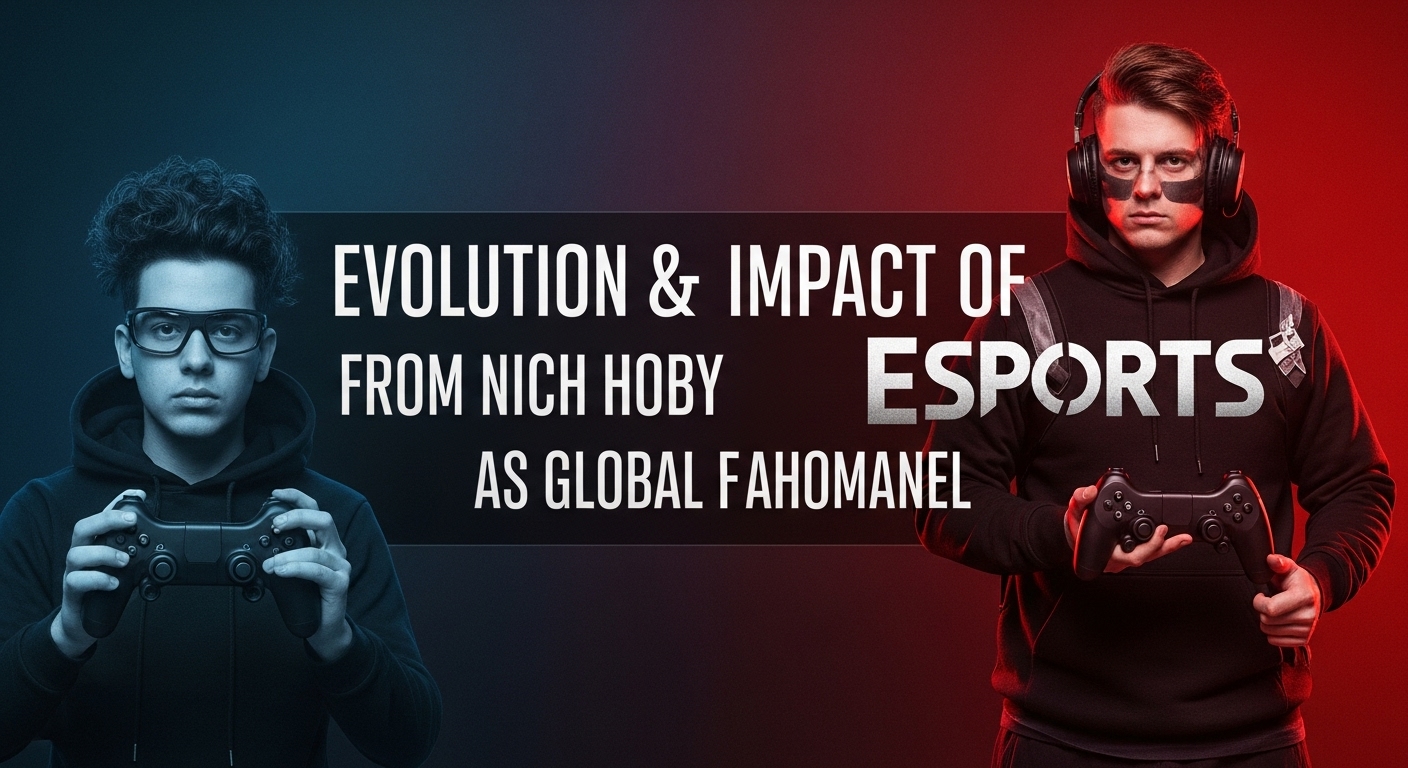
Esports is no longer a niche hobby tucked away in small gaming cafés or quietly enjoyed in bedrooms. Today, it has grown into a global entertainment phenomenon, drawing millions of viewers, generating billion-dollar revenues, and redefining what it means to be a modern athlete. From massive international tournaments to live-streamed championships that rival traditional sports broadcasts, esports has carved its own place in the global cultural landscape. In this blog, we explore the evolution, impact, and future of esports, highlighting how it transformed from a casual pastime into a mainstream industry that demands recognition and respect.
The Birth of a Digital Competitive Culture
The origins of esports are humble. In the early days of arcade competitions and LAN parties, gaming was viewed mostly as a recreational activity. Players gathered physically to challenge friends in games like Street Fighter, Quake, and Counter-Strike. These events were small, often unorganized, and lacked the structure of professional sports. Yet, they set the foundation for something extraordinary. As internet connectivity improved globally, online multiplayer gaming gained momentum. Players from different countries could now compete in real time, and this connectivity sparked the beginning of global esports communities.
The rise of early esports tournaments in the late 1990s and early 2000s demonstrated that there was a passionate audience willing to watch competitive gaming. It wasn’t just about playing; it was about witnessing skill, strategy, and high-level execution. These early moments inspired professional teams, sponsorships, and organizations to enter the scene, eventually leading to the professionalization of esports.
The Role of Technology in Shaping Esports Growth
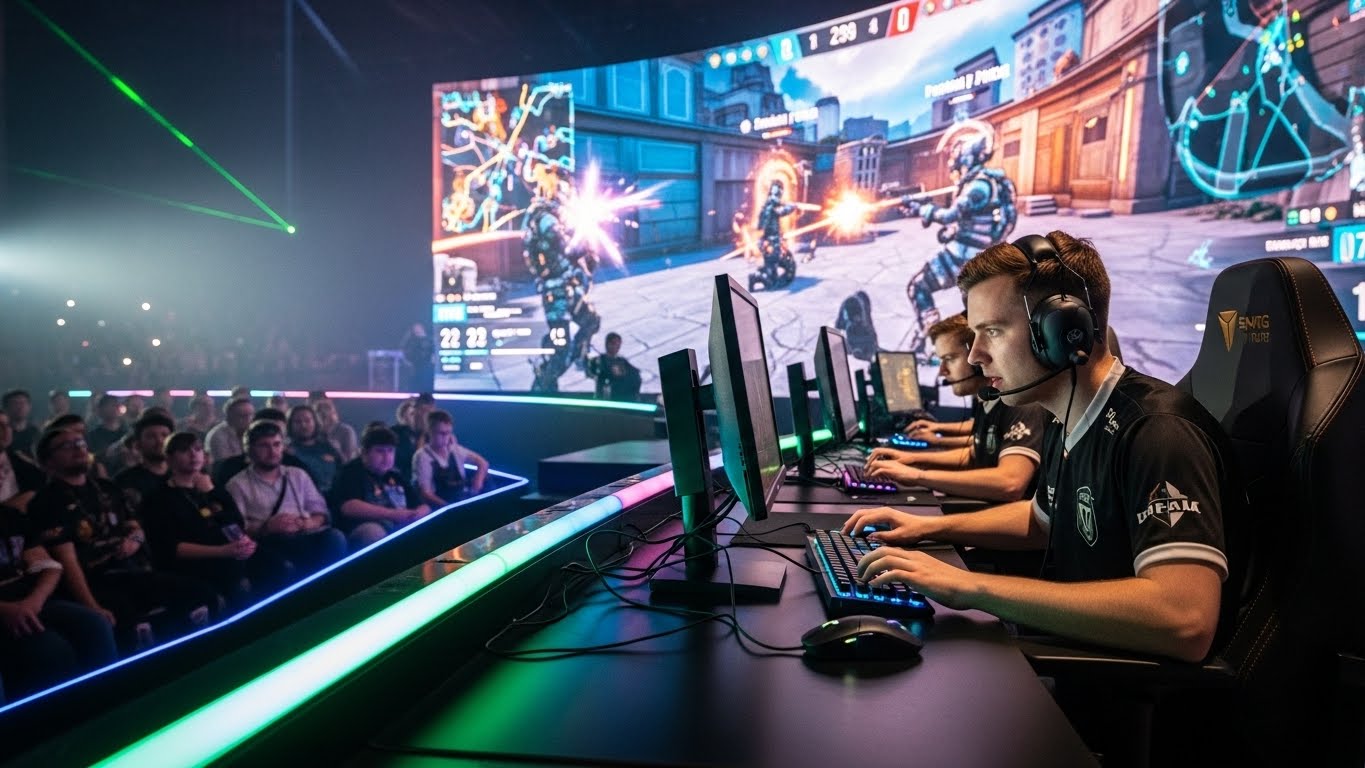
The growth of esports cannot be separated from advances in technology. The improvement of broadband internet made online competition smooth and accessible. Gaming hardware evolved rapidly, allowing more people to experience high-performance gameplay. Streaming platforms became essential in showcasing esports matches.
With streaming becoming a primary entertainment medium, audiences could follow their favorite players and teams from anywhere. Live commentary, instant chat interactions, and high-quality broadcasts gave esports a new kind of engagement that traditional sports struggled to replicate. Streaming also democratized the industry. Anyone with skill and charisma could build a fanbase and potentially launch a professional career.
Esports also benefited from technological innovations in game development. Game companies started creating titles specifically designed for competitive play. Genres like real-time strategy, battle arena, and tactical shooters grew in popularity, offering deep and strategic gameplay that rewarded mastery. These games became perfect arenas for competitive spectacle.
The Rise of Professional Leagues and Global Tournaments
As esports grew, so did the need for structured competitions. Professional leagues began to emerge, each focusing on specific game titles. These leagues operated with schedules, teams, and competitive formats similar to traditional sports. The establishment of global tournaments pushed esports into mainstream visibility.
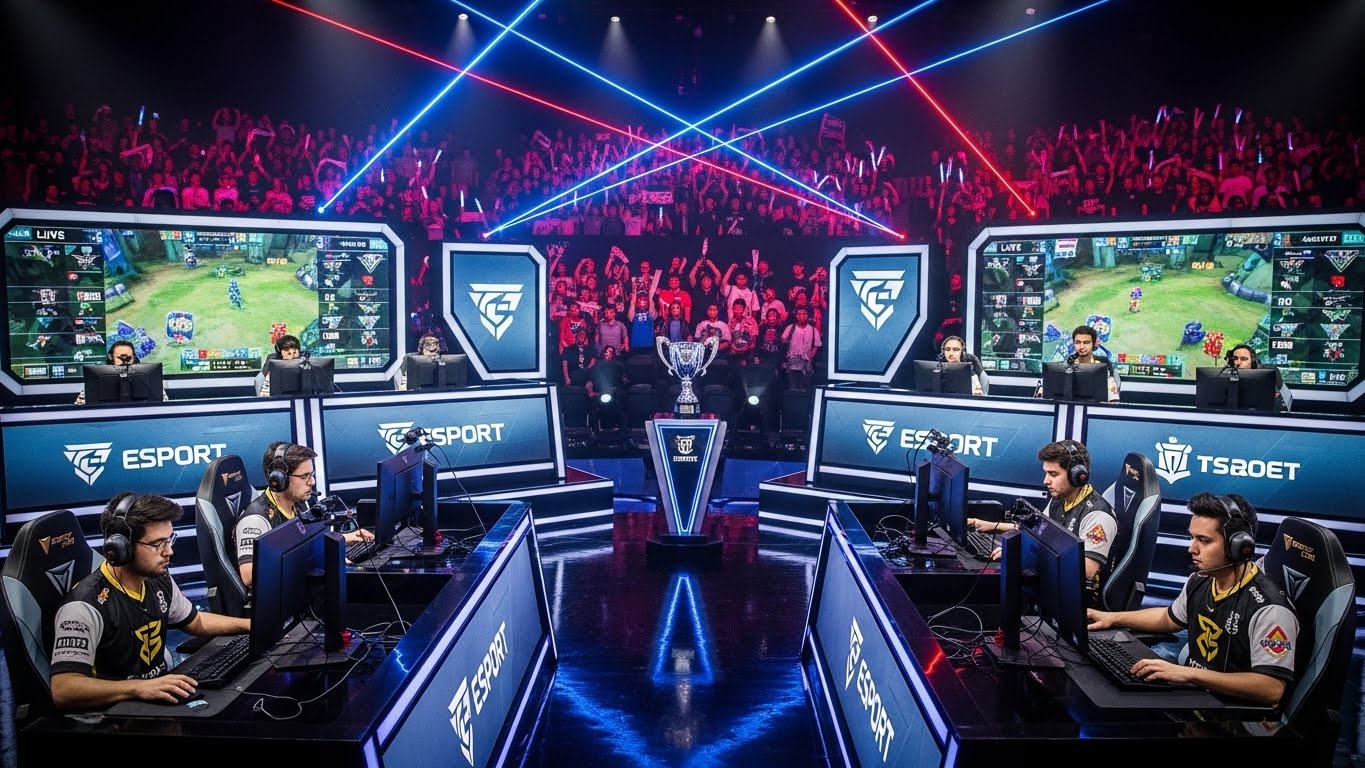
These large events attracted massive audiences, both online and in packed stadiums, showcasing the true scale of esports fandom. The prize pools grew, sponsorships increased, and the production quality reached new heights. Today, major esports tournaments resemble world-class entertainment events complete with opening ceremonies, celebrity performers, and detailed storytelling around teams and players.
Esports as a Legitimate Career Path
One of the biggest shifts in perception surrounding esports is its viability as a career. What was once considered a hobby now offers multiple professional avenues. Professional gamers can earn impressive salaries, win tournaments, and build personal brands. Beyond the competitive players, esports provides opportunities for coaches, analysts, commentators, content creators, event organizers, and marketing specialists.
Educational institutions around the world have also recognized the importance of esports. Many schools and universities have introduced esports programs, scholarships, and training facilities. This institutional support further legitimizes esports and creates a clear path for young talent to develop professionally. Parents, who once dismissed gaming as an unproductive distraction, now increasingly support their children’s esports ambitions.
The Cultural Impact of Esports on a Global Scale
Esports has influenced global culture in profound ways. It has created a shared digital language that transcends geographical and cultural boundaries. Fans from different continents connect through their favorite game titles, characters, and teams. This global community fosters cultural exchange and encourages social interaction in virtual environments.
Esports has also played a major role in redefining entertainment consumption. Younger generations are shifting from traditional media to interactive digital experiences. Watching a live match, chatting with other viewers, and engaging with players creates a dynamic experience that traditional sports broadcasting cannot replicate. Esports merges gaming, entertainment, and social interaction into a single ecosystem.
Additionally, esports has influenced fashion, music, and lifestyle. Gaming collaborations with major fashion brands, themed music releases, and esports celebrities having massive social media followings all contribute to the cultural integration of esports into mainstream life.
The Economics Behind Esports Expansion
The economic growth of esports is staggering. Sponsors from technology, beverage, fashion, and automotive industries invest heavily in teams and tournaments. Brands see esports as a way to reach younger audiences who are increasingly difficult to target through traditional advertising.
Merchandising, ticket sales, digital purchases, and media rights contribute significantly to esports revenue. Game developers play a unique dual role as both content creators and league operators. This allows them to support competitive scenes, drive player engagement, and sustain long-term growth.
Streaming platforms also generate revenue through advertisements, subscriptions, and virtual gifts, which are shared with content creators. The business ecosystem around esports is diverse and continues to evolve, offering financial opportunities for a wide range of stakeholders.
Challenges Facing the Esports Industry
Despite rapid growth, esports faces challenges that need to be addressed for long-term sustainability. Player health is a major concern. Long practice hours can lead to fatigue, burnout, and physical issues. Teams and organizations are now prioritizing mental and physical wellness programs to support players.
Another challenge is the uneven structure of esports compared to traditional sports. Since game publishers control the competitive ecosystem, they have significant influence over the rules, tournament formats, and financial opportunities. This centralized control can sometimes hinder third-party tournament organizers and limit the diversity of competition.
Additionally, issues like cheating, match-fixing, and inconsistent regulations create obstacles. As esports becomes more lucrative, maintaining integrity and fairness becomes crucial. Many organizations are working toward forming standardized rules and governing bodies to address these challenges.
The Future of Esports: Where Do We Go From Here?
The future of esports is incredibly promising. As technology continues to advance, esports will likely embrace innovations like virtual reality, augmented reality, and mixed-reality competitions. These technologies can create immersive experiences for both players and viewers.
Another key development will be the integration of esports with traditional sports institutions. Many major sports franchises have already entered the esports space, creating teams and investing in digital competition. This cross-industry collaboration will further legitimize esports and expand its audience.
Education, training academies, and youth leagues will also grow, creating structured pathways for aspiring players. Esports will continue to influence global entertainment trends, shaping how the next generations engage with media, competition, and community.
Conclusion
Esports has journeyed from small gatherings of passionate gamers to a global entertainment powerhouse with millions of fans, advanced technologies, and thriving professional ecosystems. It showcases the creativity, intelligence, and dedication of modern athletes who compete in digital arenas with the same intensity as traditional sports professionals. As esports continues to grow, it will inspire new careers, build dynamic communities, and shape the future of global entertainment.