Introduction
Over the past few decades, esports has evolved from a niche hobby into one of the most powerful entertainment and sporting industries on the planet. What was once a casual pastime for gamers has transformed into a global phenomenon that attracts millions of viewers, generates billions in revenue, and provides career opportunities for players, streamers, coaches, and organizers. Esports has redefined the meaning of sportsmanship, competition, and community in the digital age. The story of esports is not just about games—it is about innovation, culture, technology, and the human drive to compete and connect.
The Origins of Esports
The history of esports dates back further than many people realize. The concept of competitive gaming can be traced to the early 1970s, when players gathered at universities and arcades to test their skills. One of the earliest documented esports events was held in 1972 at Stanford University, where students competed in a game called Spacewar. The winner received a year’s subscription to a magazine, but the event marked the beginning of organized video game competition.
Throughout the 1980s, arcade culture exploded across the world. Games like Pac-Man, Donkey Kong, and Space Invaders introduced score-based competition that encouraged players to achieve record-breaking performances. Gaming magazines began publishing leaderboards, and contests were organized to find the best players. The 1990s marked the era when esports began taking shape as a structured activity. The release of games like Street Fighter II and Mortal Kombat fueled competitive fighting game scenes, while PC gaming brought first-person shooters and real-time strategy games into prominence.
The Rise of Online Play
The late 1990s and early 2000s were revolutionary for esports due to the growth of the internet. For the first time, players from different parts of the world could compete without being in the same location. Titles such as StarCraft, Quake, and Counter-Strike became global phenomena, leading to the creation of professional tournaments. South Korea, in particular, emerged as a leader in the esports revolution. Television channels dedicated to gaming, professional teams, and sponsorship deals began to flourish.
Online multiplayer functionality changed everything. It eliminated geographic limitations and built massive online communities. Games like Warcraft III and Dota (Defense of the Ancients) became arenas for intense competition. In North America and Europe, events like the Cyberathlete Professional League and Major League Gaming began organizing international tournaments.
The Emergence of Major Esports Titles
As gaming technology improved, so did the quality of esports titles. Some of the most influential games in esports history helped shape the structure of modern competitive gaming.
League of Legends became one of the most popular esports games of all time, with a massive player base and an even larger global audience. It established the concept of professional leagues, seasonal tournaments, and world championships.
Counter-Strike: Global Offensive built upon the legacy of its predecessors and became the standard for tactical team-based shooters. Its competitive scene remains one of the strongest in esports history.
Dota 2 brought massive international attention through The International, a tournament with record-breaking prize pools that reached tens of millions of dollars.
Other games like Overwatch, Call of Duty, Fortnite, and Valorant have also left significant marks on the industry, each offering unique gameplay and attracting distinct audiences.
Esports as a Career Path
Esports has grown into a legitimate profession. What was once dismissed as a hobby is now seen as a viable career path for talented and dedicated individuals. Professional players train rigorously, often following structured routines similar to those of traditional athletes. They practice for hours, analyze strategies, and maintain their physical and mental well-being to perform at the highest level.
But esports is not limited to players. There are coaches who develop tactics, analysts who study opponents, commentators who narrate matches, and organizers who run tournaments. Beyond competition, there are content creators, streamers, and social media personalities who build brands and communities around gaming. The economic ecosystem of esports has expanded to include advertisers, sponsors, and even universities that offer scholarships for esports athletes.
The Role of Streaming and Digital Media
One of the key drivers behind esports’ massive popularity is the rise of streaming platforms. These platforms have allowed fans to connect directly with their favorite players and teams. Instead of relying on traditional broadcasting, esports thrives on digital viewership. Millions of people watch tournaments and live streams every day, creating a global audience that rivals traditional sports.
Streaming platforms have also democratized content creation. Anyone with the skill and personality can attract an audience. This accessibility has helped esports grow organically, fueled by community engagement and fan interaction. Major tournaments now draw viewership numbers comparable to global sports events, with packed arenas and millions watching online simultaneously.
The Globalization of Esports
Esports is a truly global industry. Unlike many traditional sports that are dominated by certain regions, esports has participation from every corner of the world. Asia, particularly South Korea and China, remains a powerhouse in many competitive titles. Europe has strong representation in strategy and shooting games, while North America excels in organizing large-scale events and developing strong esports infrastructure.
Latin America, the Middle East, and Africa are rapidly emerging as new hubs for esports, with young populations and growing internet access driving participation. This international diversity gives esports its unique identity—an inclusive, borderless community united by digital competition.
The Influence of Technology on Esports
Technological advancement has been the foundation of esports’ evolution. High-speed internet, powerful gaming hardware, and cloud computing have made competitive gaming accessible to millions. Graphics quality, low-latency connections, and advanced gaming peripherals have enhanced both player performance and viewer experience.
Virtual reality and augmented reality are expected to redefine esports in the near future. These technologies will create immersive environments where spectators can experience games from within, blurring the line between playing and watching. Artificial intelligence and machine learning are also being used to analyze player behavior and strategy, helping teams gain deeper insights into performance optimization.
Esports and Traditional Sports
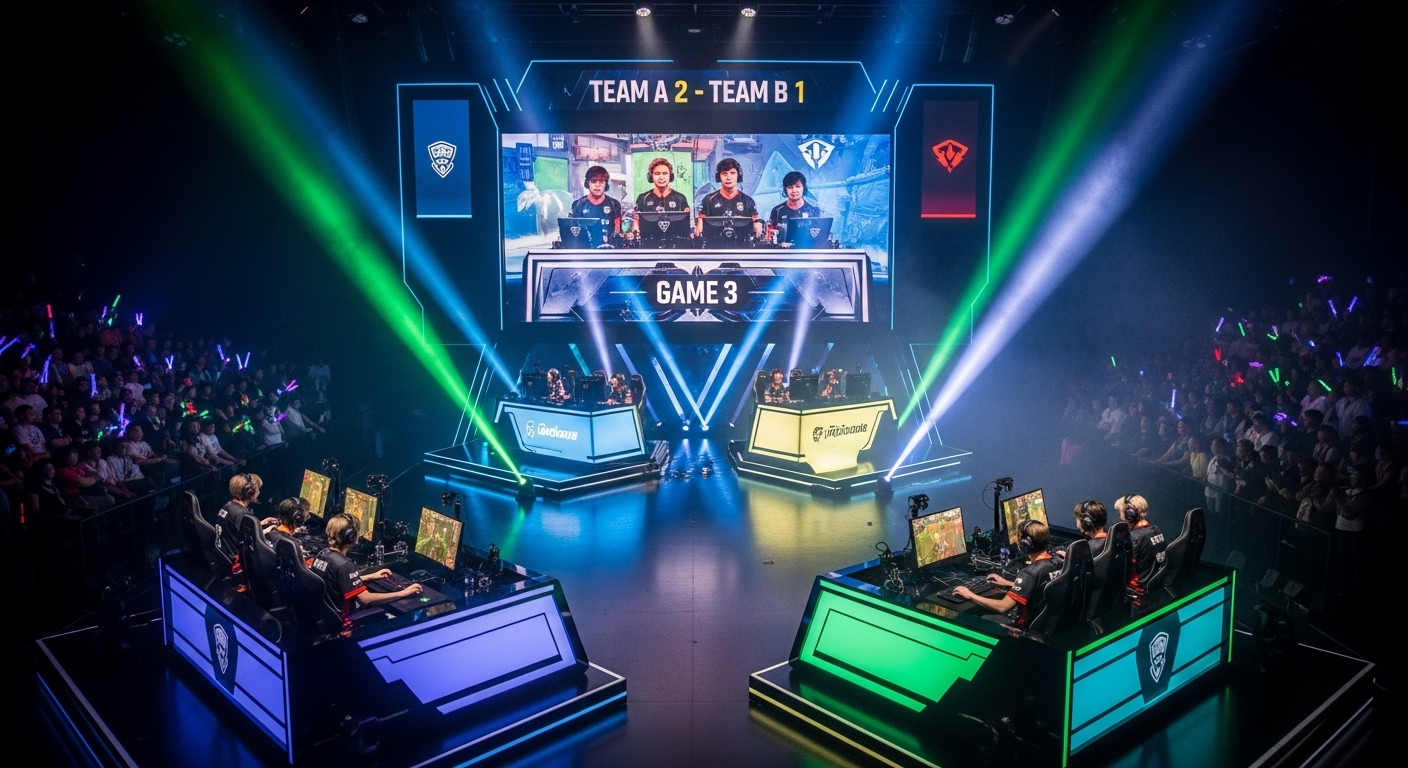
The line between esports and traditional sports is becoming increasingly blurred. Many professional sports teams and organizations have invested in esports franchises. Football clubs, basketball teams, and even Olympic committees recognize the potential of esports to reach younger audiences.
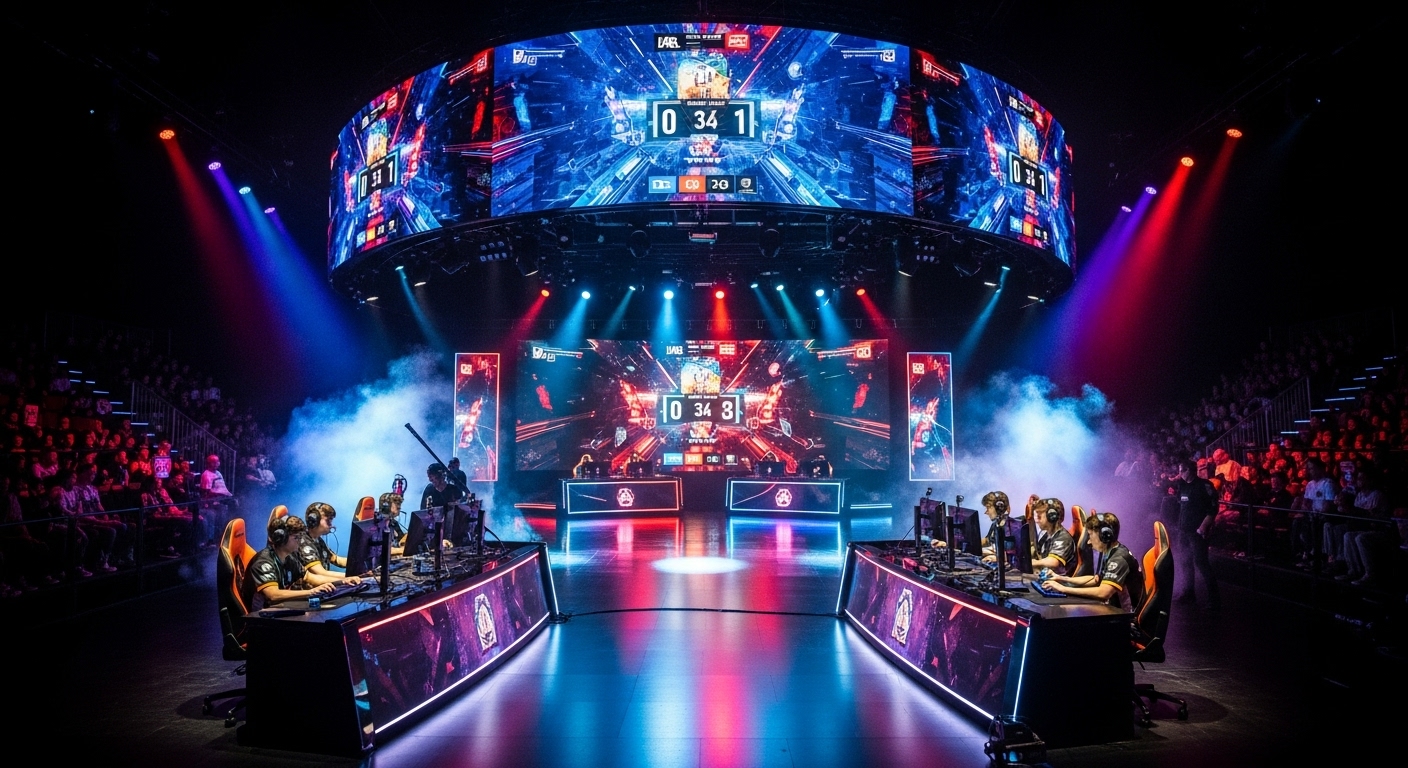
The skills required in esports—strategic thinking, teamwork, reaction time, and mental endurance—mirror those in physical sports. Tournaments are held in stadiums filled with cheering fans, and players experience the same pressure, excitement, and emotion as any athlete. The discussion about whether esports should be included in major sporting events such as the Olympics continues, but its legitimacy as a sport is now widely accepted.
The Business of Esports
The business side of esports has become a massive industry. Sponsorships, media rights, advertising, ticket sales, and merchandise form the core of its economic model. Major brands that once focused exclusively on traditional sports now invest heavily in esports, recognizing its potential for global reach and digital influence.
Franchised leagues, much like those in basketball or football, have been introduced for games such as Overwatch and League of Legends. These leagues provide stability, team identity, and consistent revenue streams. The esports economy is expected to keep growing, with new investments pouring in from entertainment companies, technology giants, and venture capitalists.
The Role of Education and Esports
Education has started to embrace esports as well. Universities around the world now offer courses, degrees, and scholarships related to esports management, game design, and digital media. This academic recognition highlights the cultural and economic importance of esports in modern society. Students are not only learning to play but also to build careers around event organization, marketing, journalism, and production.
Esports in education also encourages teamwork, problem-solving, and digital literacy—skills that are increasingly essential in the modern world. High schools and colleges are forming competitive teams, integrating esports into extracurricular programs, and recognizing it as a legitimate form of competition.
The Psychological and Social Aspects of Esports
While esports offers many opportunities, it also brings challenges related to mental health and social balance. The pressure to perform, long hours of practice, and public scrutiny can take a toll on players. Many organizations now hire psychologists and wellness experts to support players’ mental well-being.
On the social side, esports fosters community and inclusivity. Online gaming connects people from diverse backgrounds and cultures. Players build friendships, learn teamwork, and develop leadership skills. However, issues such as toxicity, addiction, and online harassment remain concerns that the industry continues to address through education and regulation.
The Impact of Esports on Popular Culture
Esports has deeply influenced popular culture. Gaming terms, memes, and references have become part of everyday language. Esports players enjoy celebrity status, appearing in commercials, documentaries, and media events. Music, fashion, and entertainment have also embraced gaming culture, with collaborations between game developers, musicians, and artists becoming increasingly common.
The crossover between esports and mainstream entertainment is particularly evident in live events. Opening ceremonies, musical performances, and cinematic productions make esports tournaments as spectacular as any major sporting event. The combination of technology, storytelling, and performance art gives esports a unique place in contemporary culture.
Challenges Facing the Esports Industry
Despite its success, esports faces challenges that must be addressed to ensure long-term sustainability. Issues such as player burnout, inconsistent regulations, and unequal pay structures can affect the industry’s growth. Intellectual property rights, cheating, and match-fixing remain serious concerns.
Additionally, the rapid commercialization of esports risks overshadowing its community-driven roots. Balancing profitability with authenticity will be essential for the industry’s credibility. Efforts to promote inclusivity, fair play, and ethical practices are ongoing, with organizations implementing codes of conduct and stricter tournament oversight.
The Future of Esports
The future of esports looks brighter than ever. With new technologies emerging and audiences expanding, esports is poised to become one of the dominant entertainment forms of the 21st century. Mobile gaming, in particular, is opening esports to billions of new players in developing regions.
Virtual and augmented reality will further enhance the immersive experience. The integration of blockchain technology and digital collectibles may introduce new ways to reward players and fans. As the lines between gaming, entertainment, and social interaction continue to blur, esports will remain at the forefront of digital innovation.
Conclusion
Esports is far more than just a competition; it is a global movement that blends technology, culture, and creativity. From humble beginnings in arcades to international arenas filled with millions of viewers, esports has transformed how people view games, sports, and entertainment. It embodies the spirit of the modern digital age—interactive, inclusive, and constantly evolving.
As the industry continues to grow, it will shape future generations of players, fans, and innovators. Esports is not simply the future of gaming; it is the future of global entertainment, culture, and digital community. Its journey is a testament to human passion, creativity, and the unending desire to connect and compete in new and exciting ways.