Introduction to Esports
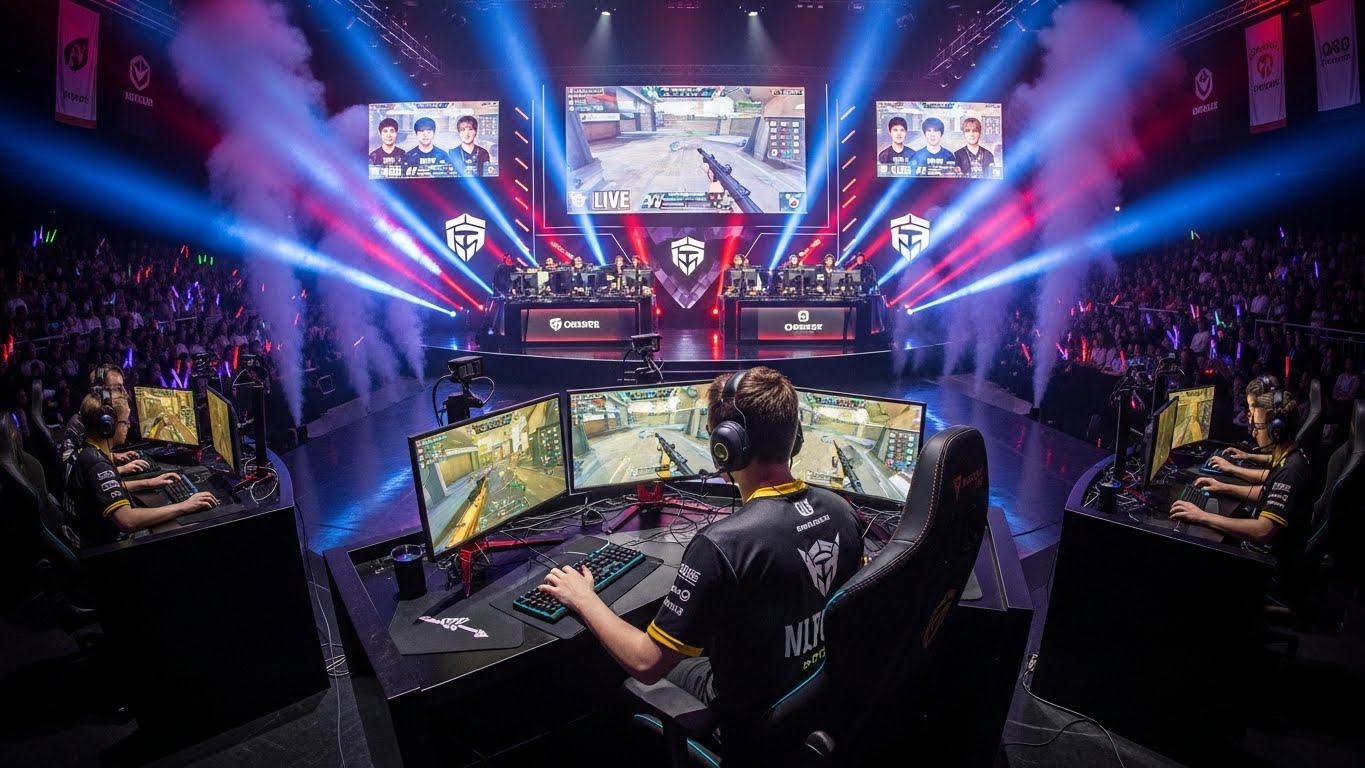
In the past few decades, human entertainment has undergone an incredible transformation. From the early days of television and radio to the age of streaming platforms and online games, digital technology has redefined how people interact, communicate, and compete. Among the most influential developments in this digital era is the rise of Esports. Esports, short for electronic sports, represents organized competitive gaming where professional players and teams compete in video games at local, national, and international levels. What was once a casual pastime has now evolved into a multi-billion-dollar global industry, uniting millions of fans around the world through shared passion, skill, and digital excitement.
The Early Days of Esports
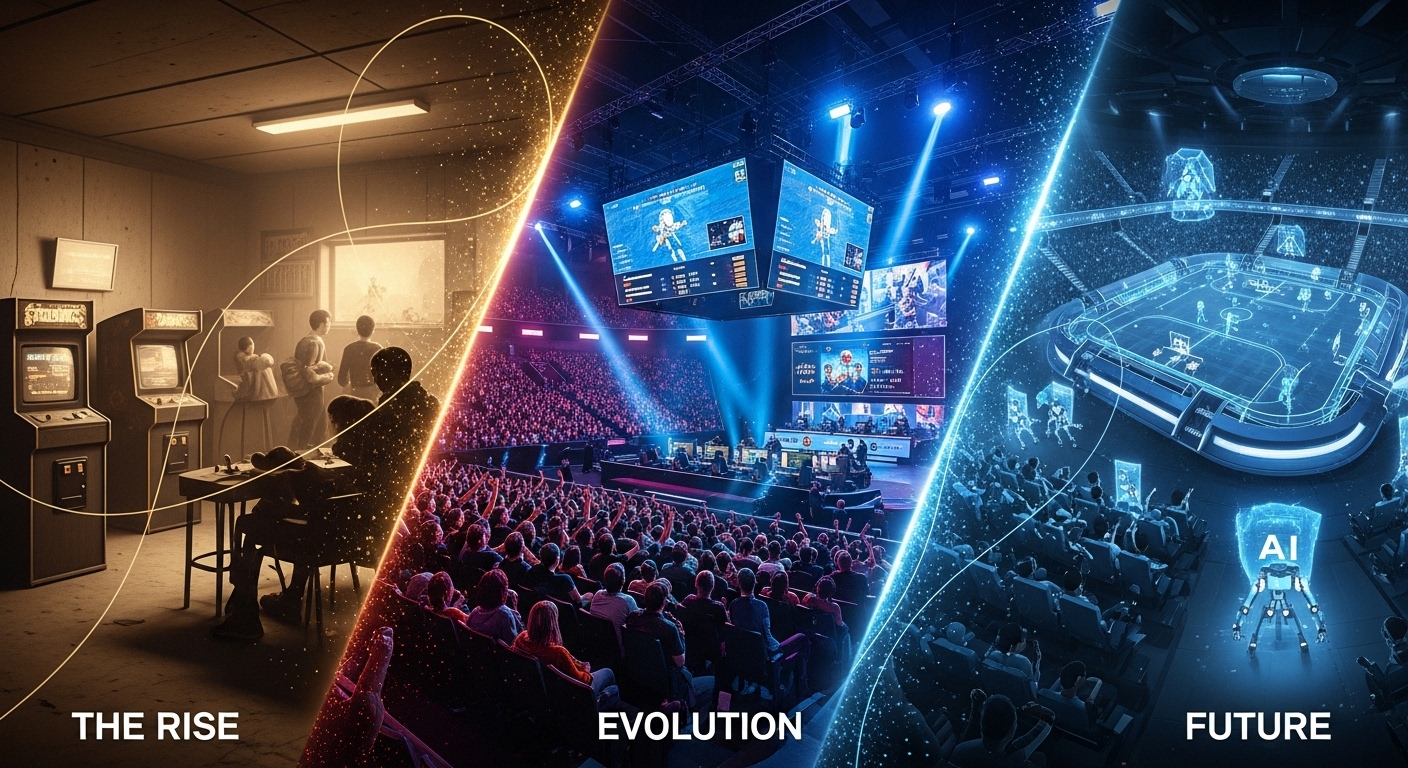
The roots of Esports can be traced back to the late 1970s and 1980s when arcade gaming was at its peak. The first recognized Esports event took place at Stanford University in 1972, featuring the game “Spacewar.” The winner received a one-year subscription to a magazine, which shows how humble the beginnings were compared to today’s massive cash prizes. During the 1980s, gaming competitions became increasingly popular with the rise of titles like “Pac-Man,” “Donkey Kong,” and “Tetris.” These games were simple yet addictive, attracting players to compete for high scores and recognition.
The true transformation, however, came in the 1990s with the introduction of online multiplayer games and local area network (LAN) tournaments. Titles like “Quake,” “StarCraft,” and “Counter-Strike” defined the early competitive gaming culture. Players gathered in cybercafés or at home with connected computers to challenge others, paving the way for modern Esports tournaments.
The Evolution of Competitive Gaming
The late 1990s and early 2000s marked a significant turning point. Broadband internet became more accessible, and the gaming industry exploded with new genres and technological advancements. Games like “Warcraft III,” “Dota,” “Halo,” and “Call of Duty” pushed the boundaries of what competitive gaming could be. Professional players began to emerge, and organizations started forming dedicated teams to compete regularly.
South Korea became the first country to institutionalize Esports, establishing gaming television channels and training facilities for professional gamers. “StarCraft: Brood War” was one of the first games to be televised live, creating a massive fanbase and influencing gaming culture globally. The South Korean model inspired other nations to develop their Esports ecosystems, eventually leading to a worldwide boom in competitive gaming.
The Role of Technology in Esports Growth
Technology has always been the driving force behind the evolution of Esports. The development of high-speed internet, powerful gaming hardware, and advanced software platforms has allowed millions of players to compete in real-time without geographical barriers. Streaming platforms and live broadcasting technologies have made Esports accessible to global audiences, giving fans the ability to watch their favorite players and teams in action from anywhere in the world.
The rise of social media also played a major role in shaping Esports culture. Platforms such as YouTube, Twitch, and other streaming services enabled players to share gameplay, engage with fans, and build personal brands. As technology continues to advance, innovations such as virtual reality (VR) and artificial intelligence (AI) promise to take Esports to even greater heights, creating more immersive and strategic experiences for both players and viewers.
Major Esports Titles and Their Impact
Over the years, certain games have stood out for shaping the identity of Esports. These titles not only defined competitive play but also created massive global communities.
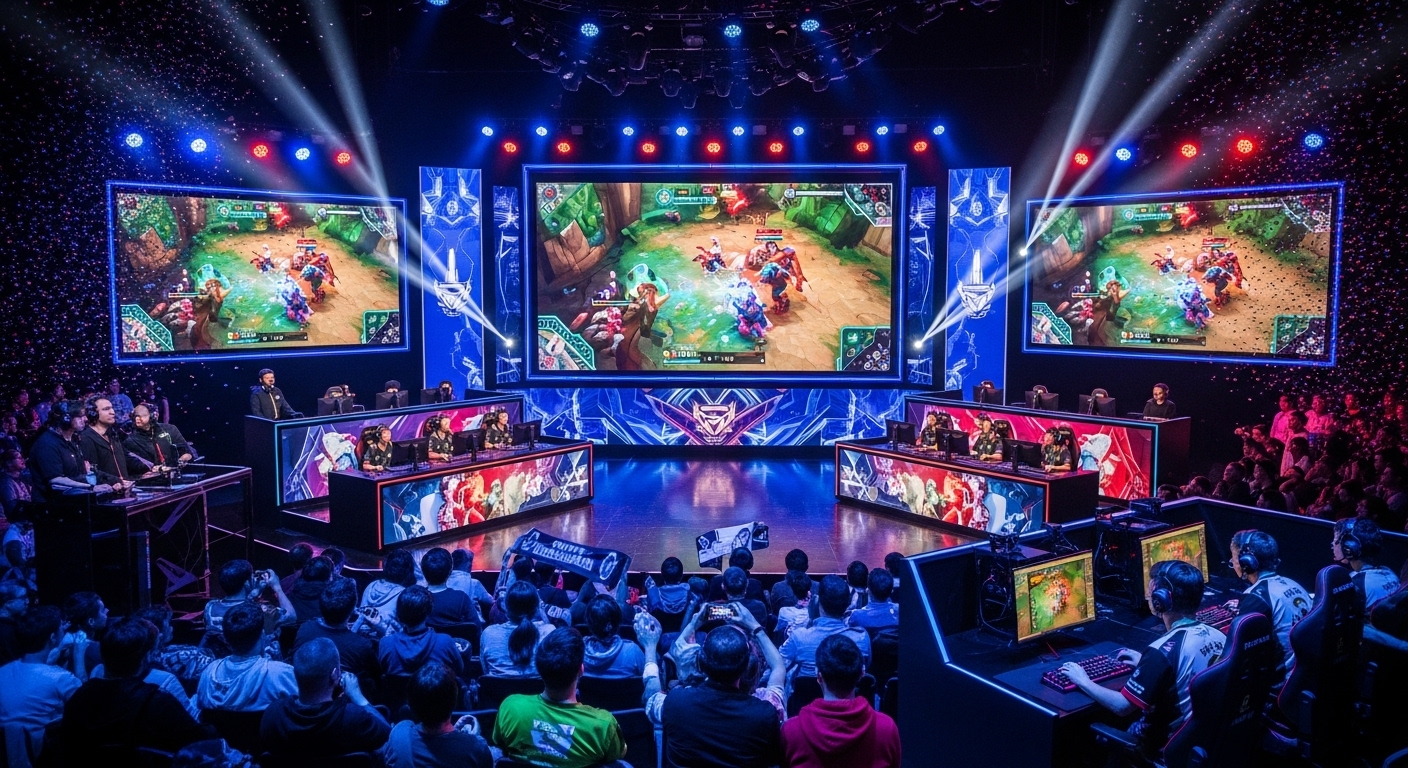
One of the most influential Esports games is “League of Legends,” developed by Riot Games. It is a multiplayer online battle arena (MOBA) game where two teams compete to destroy each other’s base. Its deep strategy, frequent updates, and high production tournaments have turned it into one of the world’s largest Esports titles. The annual World Championship attracts millions of viewers globally, rivaling even traditional sports events.
Another major title is “Counter-Strike: Global Offensive,” which has maintained its popularity for decades. Known for its tactical gameplay, teamwork, and skill requirements, it has become a cornerstone of professional gaming. Similarly, “Dota 2” has established a reputation for having one of the largest prize pools in Esports history, with The International tournament offering tens of millions of dollars in rewards.
Games like “Fortnite,” “Valorant,” “Call of Duty,” and “Overwatch” have also contributed to the diversity of Esports genres, from first-person shooters to battle royales. These games have captured audiences of different ages and regions, further broadening the global appeal of competitive gaming.
Esports as a Professional Career
Once considered an unconventional hobby, Esports has now become a legitimate and respected career path. Professional players earn salaries, sponsorships, and prize money similar to traditional athletes. Teams employ coaches, analysts, and managers who contribute to their success. In addition to players, the industry supports numerous related professions such as commentators, event organizers, content creators, and game developers.
Training for Esports requires the same level of dedication, discipline, and strategy as any physical sport. Professional gamers often practice for hours each day, refining their reflexes, communication, and mental focus. The physical and psychological demands of professional gaming have led many organizations to hire fitness trainers and psychologists to maintain the well-being of their players.
Esports education has also gained momentum, with universities offering scholarships and degrees in game design, Esports management, and digital media. This institutional support indicates the growing legitimacy of Esports as a mainstream field.
The Global Esports Economy
The financial side of Esports has seen exponential growth. Sponsorships, advertising, ticket sales, and merchandise contribute to the billion-dollar revenue stream of the industry. Major brands from technology, automotive, beverage, and apparel sectors have invested heavily in Esports to reach younger, digitally connected audiences.
Events such as “The International,” “League of Legends Worlds,” and “Fortnite World Cup” attract massive viewership, generating revenue from streaming rights and brand partnerships. Esports arenas and festivals are now held across the globe, drawing fans from all walks of life. The economic impact extends beyond gaming companies to tourism, media, and education sectors.
The Esports Community and Culture
One of the defining features of Esports is its strong and diverse community. Gamers come from all cultures, backgrounds, and age groups. Online platforms allow fans to interact with each other and with professional players, creating a sense of belonging and shared identity. Esports fans are known for their passion and loyalty, often supporting their favorite teams just like supporters of football or basketball clubs.
Community-driven events, fan art, and online discussions enrich Esports culture, making it more than just competition. It represents creativity, teamwork, and innovation. Cosplay, fan conventions, and gaming expos are integral parts of this vibrant culture.
Challenges Facing the Esports Industry
Despite its massive growth, Esports faces several challenges. One of the biggest concerns is maintaining player health. The long hours of training and high mental stress can lead to burnout and physical issues such as eye strain and wrist injuries. Developing a sustainable lifestyle for players is a growing priority for teams and organizations.
Another challenge is maintaining fair competition. Issues such as cheating, hacking, and match-fixing have occasionally affected the industry’s credibility. Developers and organizers are implementing stricter regulations, anti-cheat systems, and codes of conduct to preserve integrity.
Monetization fairness is another point of discussion. Some players and smaller organizations struggle to earn stable income due to uneven revenue distribution. Creating a more balanced financial ecosystem will be crucial for the long-term sustainability of Esports.
Esports and Traditional Sports: A New Relationship
The line between traditional sports and Esports is becoming increasingly blurred. Many established sports clubs, such as football and basketball teams, have launched their own Esports divisions. These collaborations bridge the gap between physical and digital competition, allowing fans to enjoy both forms of entertainment.
Traditional sports institutions have also recognized the value of Esports in engaging younger audiences who prefer digital interaction. Esports tournaments are now held in iconic stadiums, symbolizing their growing acceptance as a legitimate sport. The inclusion of Esports in events such as the Asian Games further reinforces its international recognition.
The Psychological Aspect of Esports
Beyond the excitement and competition, Esports is also a fascinating study in psychology. Players need strong concentration, emotional control, and adaptability to perform at the highest level. Decision-making under pressure, teamwork, and communication are essential mental skills that determine success.
The sense of accomplishment and community engagement in gaming can have positive psychological benefits. However, there are also potential risks such as gaming addiction and stress from competition. Balancing healthy gaming habits and psychological support systems is key to sustaining both player and community well-being.
The Role of Women in Esports
The participation of women in Esports has grown significantly, though there is still room for improvement in achieving full inclusivity. Female players, streamers, and analysts are breaking barriers and challenging stereotypes in the industry. Organizations and gaming developers are increasingly promoting gender diversity and equality by hosting inclusive tournaments and providing equal opportunities.
The visibility of female talent inspires new generations of players, proving that gaming excellence knows no gender boundaries. With continued efforts toward inclusivity, Esports has the potential to become one of the most balanced and welcoming competitive fields in the world.
Esports Education and Future Generations
As Esports becomes more mainstream, educational institutions are incorporating gaming into their academic programs. Schools and universities now have dedicated Esports clubs, courses, and scholarships. This approach not only nurtures professional players but also prepares students for careers in management, design, broadcasting, and marketing related to the gaming industry.
Educational Esports programs emphasize teamwork, communication, and strategic thinking. These skills are valuable beyond gaming, helping students excel in their personal and professional lives. The integration of Esports into education represents a major cultural shift in how society values digital competition and creativity.
The Future of Esports
The future of Esports appears brighter than ever. With continuous advancements in technology, the boundaries of digital competition will expand further. Virtual reality and augmented reality could create new interactive dimensions for gaming. Artificial intelligence might enhance training methods and analytical insights.
The global fanbase is expected to grow as internet access increases in developing regions. Esports may soon become an Olympic-level event, given its immense global reach and skill-based nature. The next decade will likely witness more crossovers between gaming, entertainment, and education, making Esports a central pillar of modern culture.
Conclusion
Esports is not just a trend; it is a revolution that reflects the digital age’s spirit of innovation, creativity, and connection. From humble beginnings in arcades to massive international tournaments, Esports has transformed how people view competition, teamwork, and entertainment. It has created opportunities for millions—players, fans, and professionals alike—and continues to inspire future generations to pursue their passions in new and dynamic ways.
As technology continues to evolve, Esports will remain a symbol of how human creativity and digital innovation can merge to build a global community that thrives on skill, strategy, and shared excitement. The rise of Esports is more than just the story of gaming—it is the story of modern humanity embracing a new era of competition, collaboration, and culture.