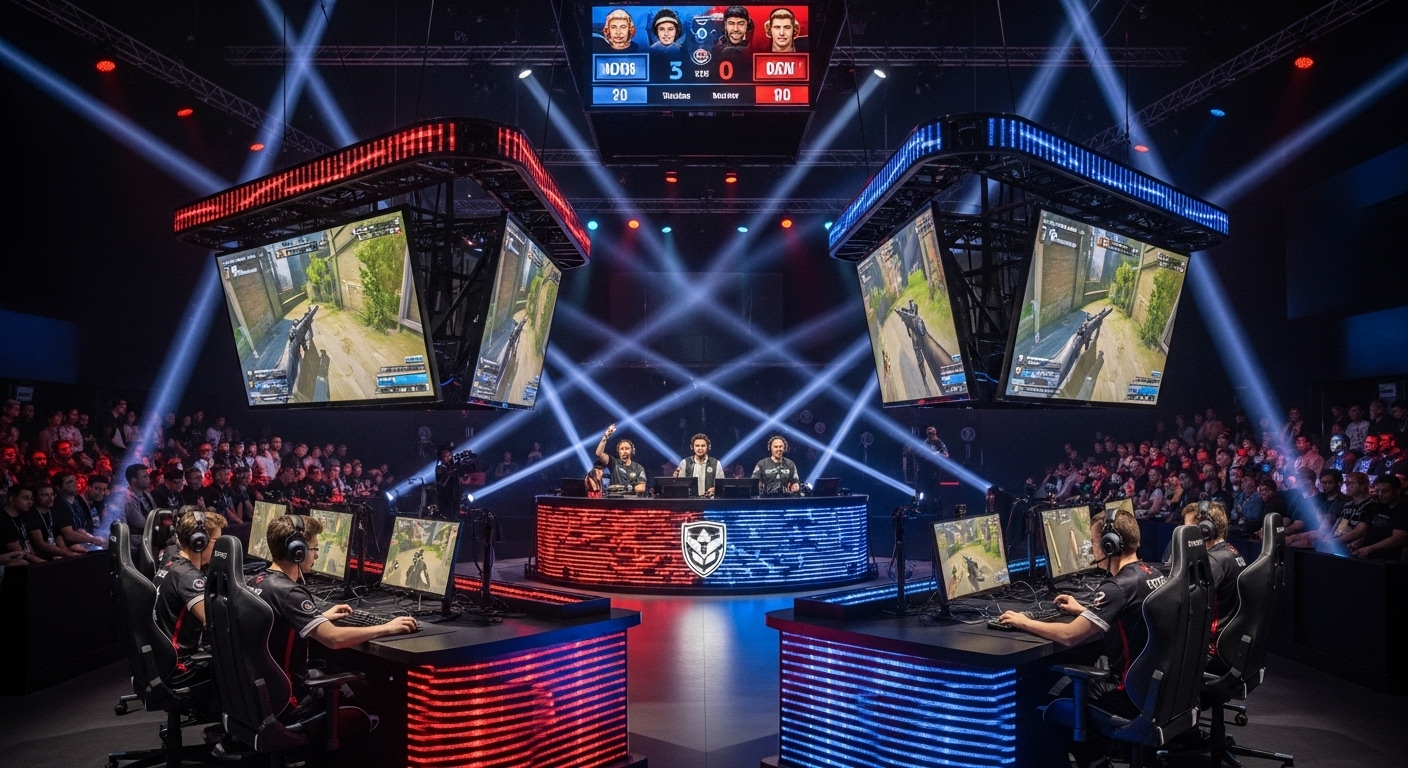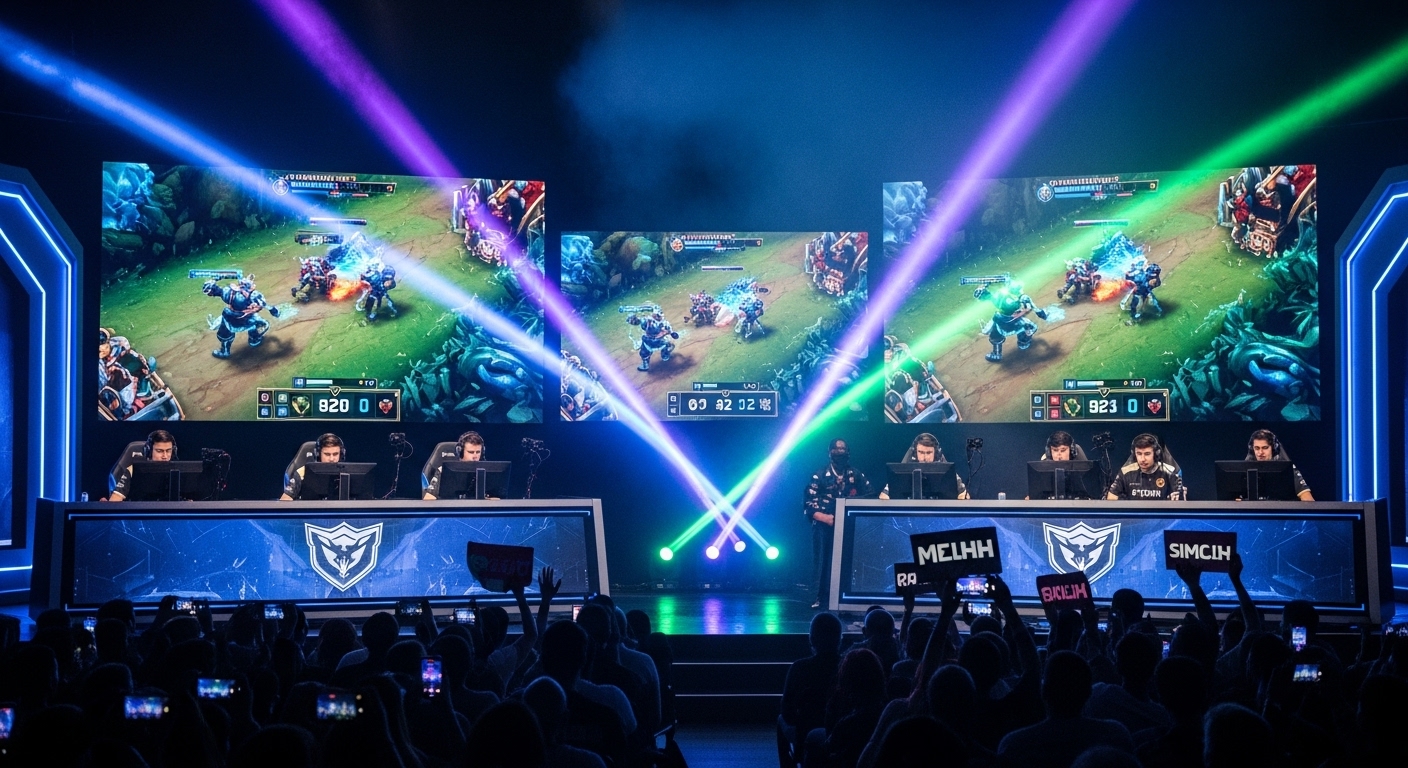
In the past two decades, esports has surged into the global spotlight, transforming from a niche hobby to a multi-billion-dollar industry. Competitive gaming, once viewed as an obscure pursuit for a select few, has now become a major cultural force. With professional players, massive tournaments, and an ever-growing fanbase, esports is fundamentally reshaping the entertainment landscape. In this blog post, we will explore how esports has evolved, the games and tournaments that dominate the scene, and the immense future potential of this digital revolution.
The Birth of Esports: From Casual Gaming to Professional Competition
Esports traces its origins back to the early 1990s when the idea of organized competitive gaming started to take shape. The concept of tournaments began with simple LAN (local area network) events, where players gathered in person to compete against one another in games like Doom and Warcraft. However, it wasn’t until the late 1990s and early 2000s that esports started gaining traction, with events like the World Cyber Games (WCG) and the Electronic Sports World Cup (ESWC) becoming the first major international esports competitions.
These early tournaments showcased games like StarCraft and Quake, and they played a crucial role in legitimizing esports as a competitive sport. As internet connectivity improved and multiplayer games became more accessible, the esports scene began to expand rapidly. In the mid-2000s, streaming platforms like Twitch allowed fans to watch competitions from the comfort of their homes, further accelerating the growth of esports.
Dominant Esports Games: A Genre Breakdown
Esports has become synonymous with a few key game genres, each with its own unique appeal and a loyal following. Let’s break down the most popular genres that dominate the esports scene.
Multiplayer Online Battle Arenas (MOBAs)
MOBAs, like League of Legends and Dota 2, are often considered the most influential games in the esports ecosystem. In these team-based games, players control characters (known as champions or heroes) with unique abilities, and their goal is to destroy the enemy’s base while defending their own. MOBAs are known for their complex strategy and teamwork, which makes them both difficult to master and exciting to watch.
The League of Legends World Championship is one of the largest and most-watched esports events in the world, drawing millions of viewers and boasting prize pools that can reach tens of millions of dollars. The tactical depth of these games and the personalities of the players involved have turned MOBAs into a dominant force in competitive gaming.
First-Person Shooters (FPS)
FPS games like Counter-Strike: Global Offensive (CS:GO), Valorant, and Overwatch have also carved out a significant place in esports. These games involve teams of players battling against each other in fast-paced environments, relying on accuracy, reflexes, and tactics. The intense action of FPS games, combined with strategic team play, makes them thrilling for both players and spectators.
The CS:GO Major Championships, held annually, are major events in the FPS community, attracting thousands of fans to live venues and millions more online. The tactical depth, skill-based gameplay, and team coordination make FPS titles a staple of esports.
Battle Royale
The Battle Royale genre has seen explosive growth in the past few years, with games like Fortnite, PUBG, and Apex Legends taking the esports world by storm. In these games, dozens of players are dropped onto a large map and must fight to be the last person or team standing. The shrinking safe zone and ever-changing nature of the environment make these games unpredictable and high-stakes, drawing in a global audience.
Fortnite, in particular, has achieved mainstream success, with its large-scale tournaments and collaborations with various pop culture icons. Battle Royale games are becoming an increasingly popular facet of the esports industry, especially with younger audiences who enjoy the fast-paced, survival elements of these games.
Fighting Games
Fighting games like Street Fighter V, Tekken 7, and Super Smash Bros. have a long history in competitive gaming. These games pit two players against each other in intense one-on-one combat, where players must execute complex combos and counter moves. The appeal of fighting games lies in their simplicity and depth—while the mechanics may seem straightforward, mastering them takes years of practice.
Tournaments like EVO (Evolution Championship Series) are iconic in the fighting game community, attracting some of the most skilled players in the world. These events offer an electrifying atmosphere and showcase the technical skill and mental fortitude required to succeed in competitive fighting games.
The Esports Ecosystem: A Thriving Industry
Esports has evolved beyond just the players and the games; it has become a multi-faceted industry with a complex ecosystem. Major esports organizations, such as Cloud9, Team Liquid, and Fnatic, run professional teams across multiple games, often employing players full-time and providing them with training, coaching, and salaries. These organizations function like traditional sports teams, with management, marketing, and support staff working behind the scenes to maintain team success.
Esports also relies heavily on sponsorships and partnerships, with companies like Intel, Coca-Cola, and Nike investing in tournaments and teams. In fact, the sponsorship deals for major esports events often exceed those of traditional sports leagues. This financial backing has fueled the growth of esports and turned it into a highly-profitable business, with massive prize pools for top-tier tournaments and events.
In addition to sponsorships, content creation and streaming have become central to the esports ecosystem. Platforms like Twitch and YouTube Gaming allow players to stream their gameplay, while also providing fans with a way to engage with their favorite players. This has created an entirely new avenue for players to make a living, with top streamers and professional gamers generating income through sponsorships, subscriptions, and merchandise sales.
The Cultural Impact of Esports
Esports is not only a competitive industry but also a cultural phenomenon. What was once viewed as a subculture is now part of the mainstream, influencing everything from fashion to music. The rise of esports has helped shift the perception of gaming from a solitary activity to a legitimate form of entertainment, much like watching traditional sports.
Esports has also fostered a sense of community. Online platforms allow fans to interact with players, follow their favorite teams, and share in the excitement of competition. Tournaments like The International (for Dota 2) and the League of Legends World Championship are celebrated events, where fans travel across the globe to attend live matches, participate in fan activities, and watch the best players in action. These events have become cultural touchstones for the gaming community.
Moreover, esports has been a catalyst for social change, promoting diversity and inclusivity within the gaming community. While the industry has faced challenges in terms of gender representation and accessibility, it has also made significant strides in creating more welcoming spaces for everyone, regardless of gender, race, or background.
The Future of Esports: What Lies Ahead?
The future of esports looks incredibly promising. As technology continues to evolve, new opportunities will arise for both players and fans alike. One of the biggest trends is the rise of mobile esports. With mobile gaming becoming more sophisticated, tournaments specifically for mobile games like PUBG Mobile and Mobile Legends are attracting huge followings, particularly in regions like Southeast Asia and Latin America.
Virtual Reality (VR) and Augmented Reality (AR) are also poised to have a major impact on the future of esports. VR could create entirely new experiences for players and spectators, enabling them to immerse themselves in the game in ways never before possible. Meanwhile, AR could enhance broadcast coverage, providing real-time stats, overlays, and interactive elements for viewers.
Another significant trend is the continued growth of esports in schools and universities. Many institutions now offer scholarships for competitive gaming, and some even have dedicated esports programs. This academic focus will likely contribute to the growth of professional esports and help train the next generation of players, coaches, analysts, and broadcasters.
Esports is also expanding globally, with increasing investments and infrastructure development in regions like Africa, the Middle East, and Eastern Europe. As internet access improves and gaming becomes more accessible, these regions are becoming hotbeds for new esports talent and fanbases.
Conclusion: Esports as the Future of Entertainment
Esports has proven that competitive gaming is more than just a passing trend—it is a legitimate and thriving industry that continues to grow in size, influence, and cultural impact. With millions of fans, millions in prize money, and an ever-expanding ecosystem, esports has become a dominant force in the entertainment world.
As technology advances, audiences grow, and new opportunities arise, esports will continue to push the boundaries of what we consider traditional sports and entertainment. The rise of mobile gaming, VR, and AR, along with the continued global expansion of esports, suggests that the best is yet to come.
Esports is not just a game—it is a global movement that is here to stay, and its influence will only grow in the years ahead.