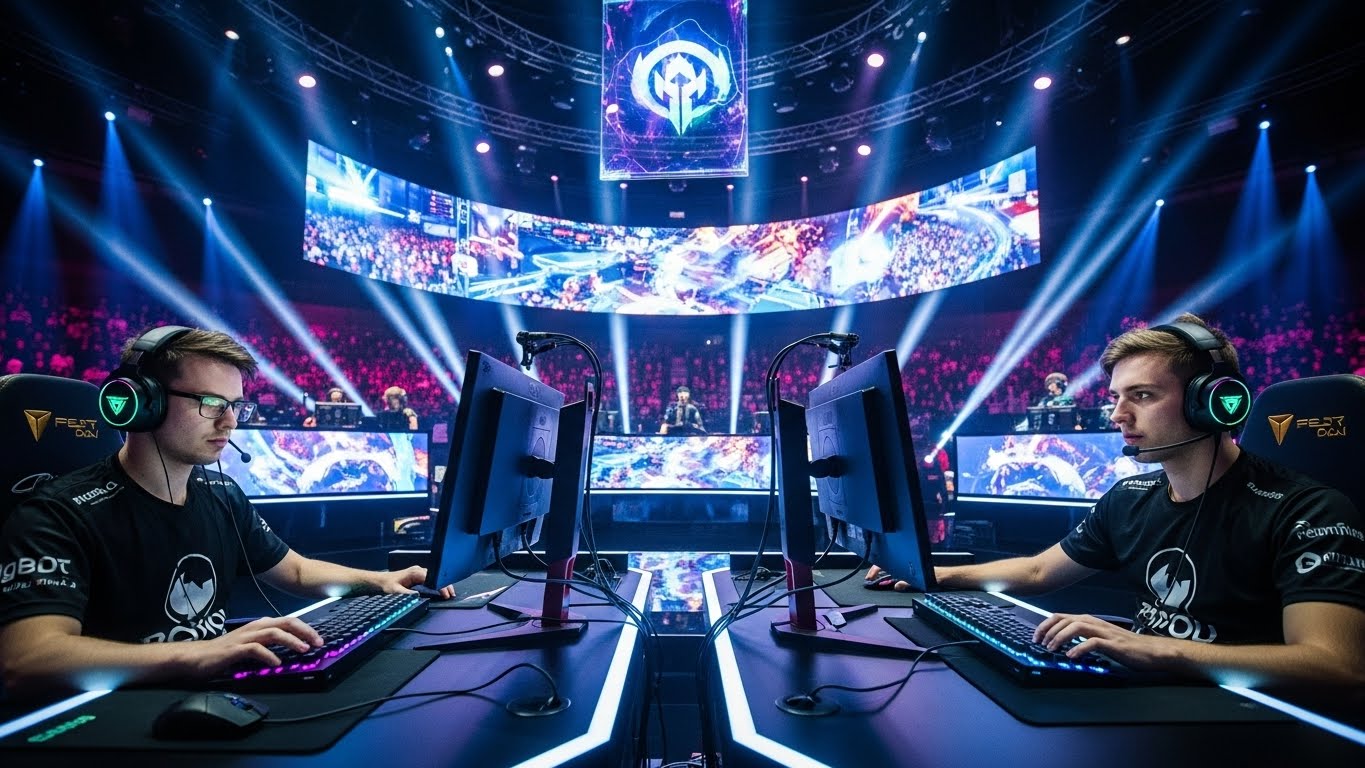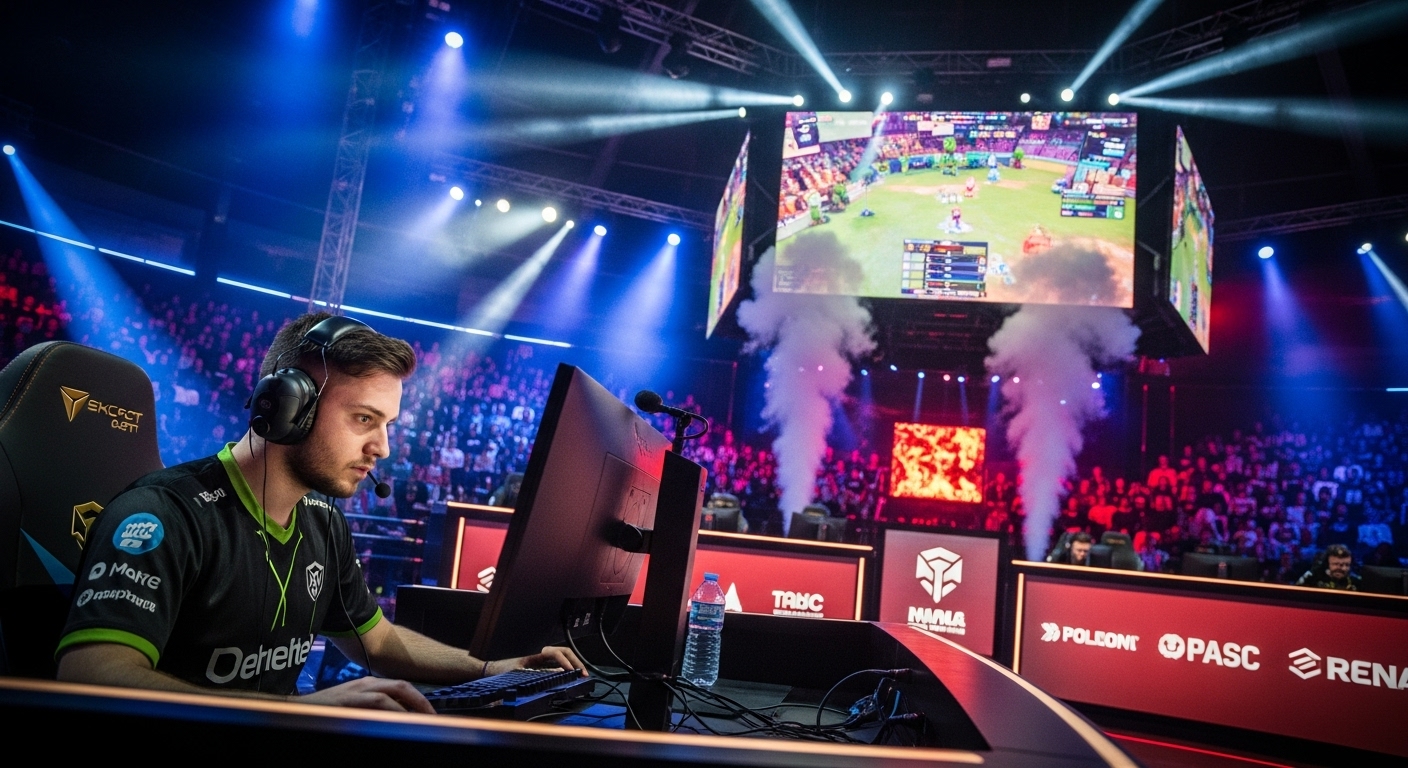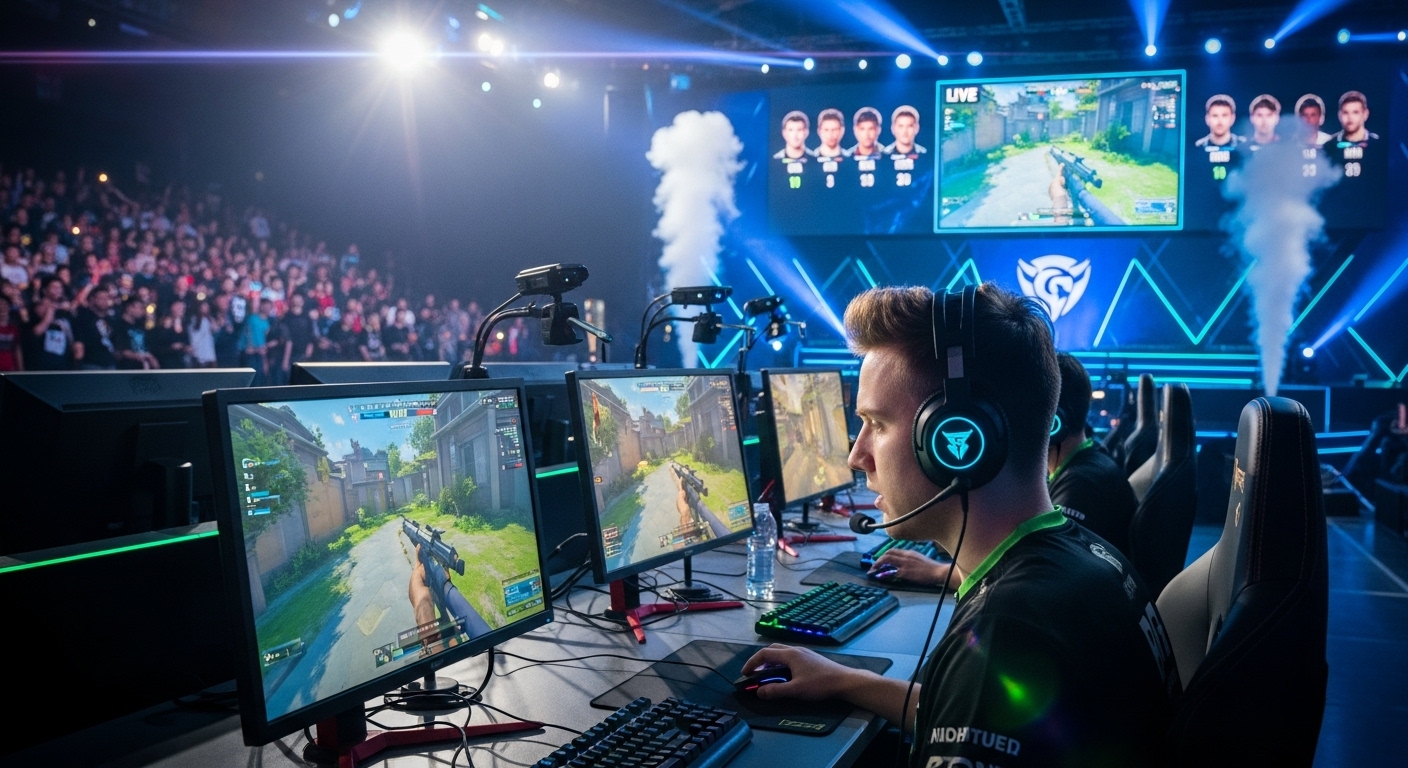
Esports has transformed the way we view competition, entertainment, and digital culture. What began as informal gatherings of gamers competing for fun has grown into a professional, worldwide industry. Today, esports encompasses professional teams, international tournaments, live-streaming platforms, sponsorship deals, and millions of passionate fans. Its influence extends beyond gaming into technology, education, media, and culture, making it one of the fastest-growing sectors in the modern entertainment landscape.
This blog explores the history, growth, and impact of esports, examining how it became a legitimate career, a form of cultural expression, and a global industry that continues to evolve at an unprecedented pace.
The Origins of Competitive Gaming
Esports, or electronic sports, traces its beginnings to the earliest days of video gaming. In the 1970s and 1980s, players competed informally in arcades and early home consoles. Iconic games like “Space Invaders,” “Pac-Man,” and “Donkey Kong” encouraged friendly competition and fostered local gaming communities. These competitions were often about high scores, but they planted the seeds for organized gaming tournaments.
The first notable video game tournament, the 1980 Space Invaders Championship, attracted thousands of participants across the United States. Although modest by today’s standards, this event demonstrated the potential of gaming as a competitive activity and highlighted the enthusiasm of players eager to test their skills.
The Emergence of Professional Esports
The 1990s marked the beginning of modern esports with the rise of personal computers and networked gaming. Multiplayer games such as “StarCraft,” “Quake,” and “Counter-Strike” offered competitive gameplay that required skill, strategy, and teamwork. Players began forming local teams and participating in LAN tournaments, setting the stage for professional-level competition.
During this period, online connectivity began to transform esports. Players could compete across cities and countries, establishing global leaderboards and ranking systems. Online tournaments and leagues became more frequent, allowing talented gamers to gain recognition and form early fan bases.
Key Games That Shaped Esports
Certain games have had a profound impact on the growth and structure of esports. Multiplayer online battle arena games, such as “League of Legends” and “Dota 2,” emphasize team strategy, communication, and adaptability, attracting millions of players worldwide. First-person shooters like “Counter-Strike: Global Offensive” and “Call of Duty” reward precision, reflexes, and tactical thinking.
Other genres, including fighting games, sports simulations, and battle royale titles such as “Fortnite” and “PUBG,” have broadened esports’ reach, appealing to diverse audiences. These games combine skill-based competition with entertainment value, making them ideal for both players and spectators.
The Rise of Esports Organizations
Professional esports organizations resemble traditional sports franchises. Teams like Team Liquid, Fnatic, Cloud9, and T1 recruit skilled players, provide coaching staff, and manage sponsorships and branding. They participate in regional and international leagues, compete in tournaments, and cultivate loyal fan communities.
These organizations also invest in content creation, sharing highlights, behind-the-scenes footage, and educational content for fans. This combination of competition and storytelling helps build a sense of identity, loyalty, and engagement among audiences.
Esports Tournaments and Global Competitions
Esports tournaments have grown into major events, drawing millions of viewers and generating significant revenue. Events like The International for “Dota 2,” the League of Legends World Championship, and the Fortnite World Cup feature large prize pools, professional production, and live audiences.
Tournaments combine strategy, skill, and entertainment, creating a thrilling experience for both participants and viewers. They often include commentary, analysis, and real-time statistics, similar to traditional sports broadcasts. Live events in arenas and stadiums further enhance the spectacle, attracting fans who want to experience the excitement in person.
The Spectator Experience
A key factor in esports’ popularity is the spectator experience. Platforms like Twitch and YouTube Gaming allow millions to watch live streams, interact with other fans, and engage with professional players. High-quality broadcasts, professional commentary, and interactive features make watching esports as exciting as playing.
Live events amplify the communal experience. Fans gather to cheer for their favorite teams, meet influencers, and participate in side events. Esports has created a culture of fandom similar to traditional sports, where communities thrive both online and offline.
Esports as a Career
Professional esports players dedicate their lives to mastering their craft. Training schedules often exceed eight to twelve hours a day, with players analyzing gameplay, refining strategies, and maintaining mental and physical fitness. Coaching, nutrition, and psychological support have become essential components of professional preparation.
Top players earn revenue through salaries, prize winnings, sponsorships, streaming, and merchandise. The legitimacy of esports as a career has grown steadily, with many players achieving celebrity status and influencing trends in gaming, fashion, and culture.
Streaming and Content Creation
The rise of streaming platforms has played a crucial role in esports’ growth. Professional players and enthusiasts alike broadcast gameplay, tutorials, and commentary, reaching global audiences. Streamers often become influencers, shaping gaming culture, trends, and community discussions.
Streaming not only promotes esports but also fosters interactive communities. Fans can communicate with broadcasters in real time, providing feedback, celebrating achievements, and even influencing gameplay. This interactivity has helped esports create a unique cultural identity and strengthen its fan base.
Esports and Technology
Technological advancements have fueled esports’ growth. High-speed internet, powerful gaming hardware, and cloud gaming enable seamless gameplay, while data analytics and artificial intelligence enhance training, performance evaluation, and audience engagement.
Virtual reality and augmented reality promise the next evolution of esports. Fully immersive environments could transform competitions, allowing players and spectators to experience games in unprecedented ways. Cloud-based platforms also increase accessibility, allowing more people to participate in or watch esports without expensive hardware.
Esports and Education
Educational institutions have recognized esports as a valuable tool for skill development and career preparation. Many universities offer esports scholarships, support teams, and degree programs focused on game design, media production, and esports management.
Participating in esports teaches strategic thinking, teamwork, communication, leadership, and resilience. Students learn to balance practice, academics, and personal life while honing cognitive and problem-solving skills. These experiences mirror the demands of traditional athletics and contribute to personal growth.
Cultural Impact of Esports
Esports has influenced music, fashion, media, and lifestyle. Professional players are celebrated figures, while tournaments attract attention from mainstream media outlets. Cosplay, fan art, merchandise, and social media communities extend esports’ reach beyond gaming into everyday culture.
The sense of global community is particularly strong in esports. Fans from different countries share experiences, celebrate victories, and form connections that transcend geography. This international appeal has helped esports become a cultural phenomenon, bridging borders and creating a shared digital space for millions.
Challenges Facing Esports
Despite its success, esports faces challenges. Player burnout and mental health concerns are significant due to intense training, travel, and competitive pressure. Organizations increasingly focus on providing psychological support and sustainable career paths.
Regulation and fair play are also critical. Cheating, match-fixing, and unethical behavior can threaten the integrity of competitions. Governing bodies and tournament organizers enforce rules, monitor performance, and promote transparency to ensure a safe and fair environment.
Inclusivity remains a focus area. Esports continues to work on improving diversity in participation, gender representation, and accessibility, ensuring opportunities for all aspiring players.
The Future of Esports
The future of esports is bright and full of potential. Emerging technologies, such as virtual reality, augmented reality, and artificial intelligence, will transform both playing and viewing experiences. VR esports could create fully immersive competitive environments, while AI can optimize training, coaching, and audience engagement.
Global expansion will continue, with emerging markets in Asia, Latin America, and Africa contributing to audience growth and industry revenue. Mobile esports, cross-platform competitions, and cloud-based tournaments will make participation and viewing more accessible than ever.
The integration of esports with mainstream media, entertainment, and education will further solidify its legitimacy and influence. Esports is poised to become a permanent and celebrated component of global culture, entertainment, and digital interaction.
Conclusion
Esports has grown from casual gaming competitions to a multi-billion-dollar global industry. It combines skill, strategy, entertainment, and community to create experiences that are both thrilling and meaningful.
The rise of professional players, international tournaments, streaming platforms, and fan communities demonstrates that esports is more than a hobby—it is a cultural and economic phenomenon. It has transformed entertainment, technology, education, and social interaction, proving that digital competition has the power to connect and inspire millions.
As esports continues to evolve, it will redefine the way we play, watch, and interact with games. Its story is one of innovation, passion, and global connectivity, making esports one of the defining entertainment industries of the modern era.