
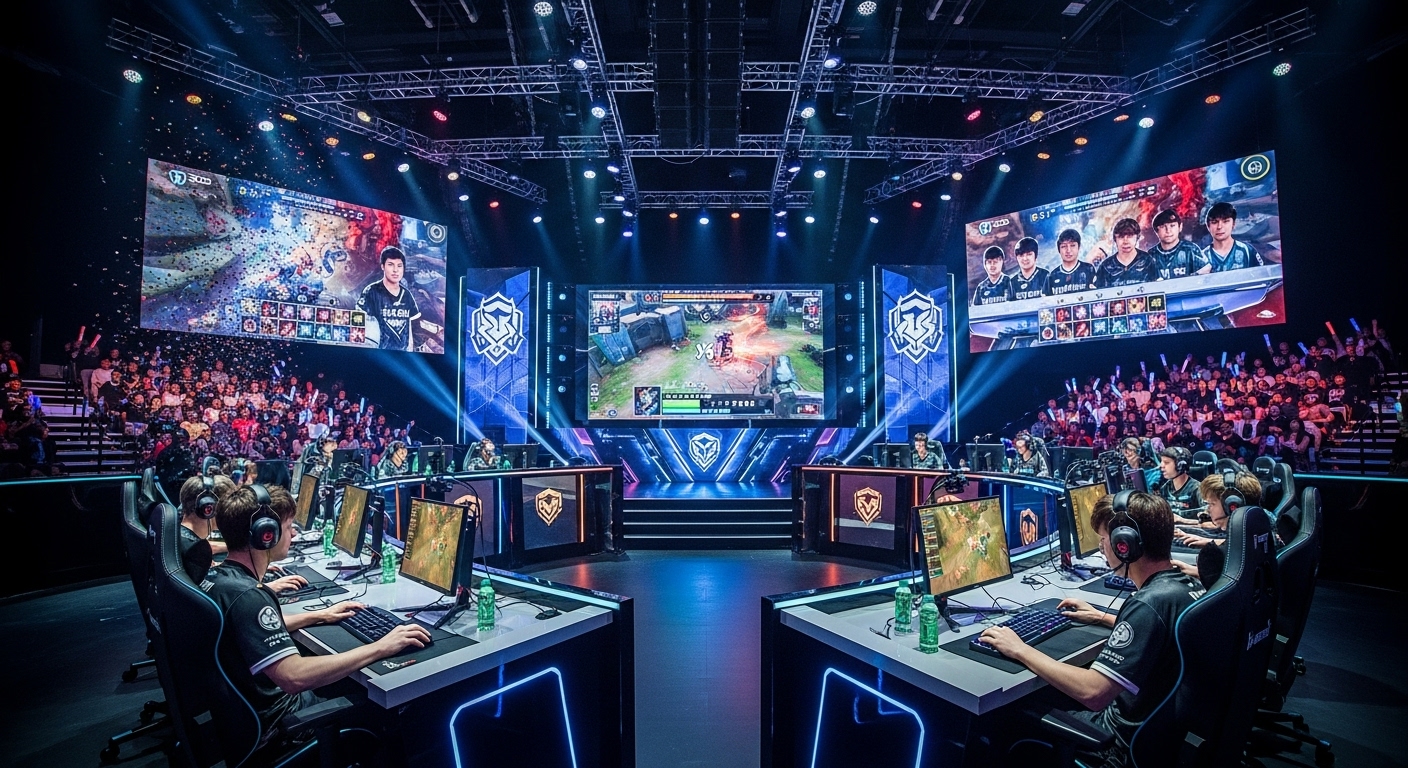
In the electrifying world of esports, where reaction times are measured in milliseconds and competition is unrelenting, one factor stands above all others in determining long-term success: motivation. Talent can spark a career, but motivation sustains it. It’s what keeps players practicing ten hours a day, reviewing replays after defeats, and pushing through burnout when the lights dim and the crowd fades.
Motivation in esports is not just about the will to win; it’s about passion, discipline, and resilience. It’s the invisible fuel that drives players to continue refining their craft even after setbacks. Behind every clutch play, championship trophy, or comeback victory lies a deep reservoir of motivation that keeps players grounded and hungry.
This blog explores how motivation shapes an esports player’s journey—how it begins, how it’s maintained, and how teams cultivate it to keep their players performing at the top of their game.
The Role of Motivation in Esports
In esports, motivation is the force that bridges the gap between potential and performance. It pushes players beyond comfort zones, compelling them to grind through repetition, analyze their mistakes, and endure both physical and mental fatigue.
Professional gaming is not glamorous every day. The training schedules are demanding, sleep cycles are irregular, and the pressure to perform can be overwhelming. Players face not only fierce competition but also constant scrutiny from fans and analysts. Without motivation, even the most talented player can lose their edge.
There are two main types of motivation that drive esports athletes:
- Intrinsic Motivation:
This comes from within—a love for the game, the thrill of improvement, or the joy of teamwork. Players driven by intrinsic motivation find satisfaction in mastering complex mechanics or outsmarting opponents. - Extrinsic Motivation:
This involves external rewards such as prize money, fame, sponsorships, or professional recognition. While these factors can boost short-term performance, long-term sustainability often requires a deep, internal passion for the game itself.
The balance between these two forms of motivation determines whether a player’s career thrives or fades.
The Early Spark: Passion for the Game
Almost every professional player starts with a simple truth—they love the game. Before sponsorships and stadiums, there’s a spark that drives them to stay up late grinding ranked matches or studying professional replays.
This early passion is crucial because it builds the foundation for intrinsic motivation. It’s what keeps a player’s spirit alive during the early years when financial rewards are minimal and recognition is scarce.
Take, for instance, players like Faker in League of Legends or s1mple in Counter-Strike. Both became legends not just because of raw skill, but because they fell in love with improvement itself. Their drive to learn, experiment, and innovate turned them into icons.
Passion transforms gaming from a hobby into a calling—and that’s the first step in sustaining motivation.
The Middle Grind: Routine and Discipline
Once a player turns professional, motivation must evolve. It’s no longer enough to simply enjoy the game; success requires discipline and consistency.
Pro teams typically practice 6–10 hours per day, balancing scrims, replay analysis, physical fitness, and team meetings. Over time, this repetitive cycle can lead to fatigue and mental exhaustion. Here, motivation becomes about maintaining structure and purpose within routine.
Players often use motivational systems such as:
- Goal Setting: Breaking large ambitions into smaller, daily objectives (like mastering one hero or improving map awareness).
- Progress Tracking: Reviewing performance metrics to see measurable improvement.
- Self-Reflection: Journaling or discussing challenges with coaches to identify mental blocks.
Routine transforms effort into habit. Discipline takes over when excitement fades, and that’s what separates professionals from amateurs.
The Pressure of Competition
Esports competition is emotionally intense. A single loss can mean elimination, and every match is broadcast to thousands or even millions of viewers. Maintaining motivation under this spotlight is one of the greatest challenges for any player.
Motivated players thrive on pressure—they use it as energy. For them, competition is not just about proving worth but about testing growth. They interpret losses not as failures, but as data points for improvement.
Teams foster this competitive mindset by creating a supportive performance culture. Instead of punishing mistakes, good coaches emphasize learning and adaptation. This transforms motivation from fear-based (“I can’t mess up”) to growth-based (“I can learn from this”).
The most successful esports dynasties—like T1 in League of Legends or NaVi in CS:GO—thrive because their players channel motivation into continual evolution.
External Motivation: Money, Fame, and Recognition
The modern esports landscape is lucrative. Prize pools stretch into millions, and sponsorships can turn top players into celebrities. These rewards undeniably motivate players to aim higher, but they also bring new challenges.
External rewards can fade quickly if they aren’t supported by internal passion. Players motivated solely by money or fame may burn out once they achieve their goals or face setbacks. True motivation comes when these external incentives reinforce, rather than replace, the inner drive to improve.
Smart teams understand this balance. They help players focus on process rather than outcome—celebrating daily effort, teamwork, and learning rather than just trophies.
Overcoming Burnout
Burnout is one of the most common motivation killers in esports. The combination of long hours, travel, and emotional strain can drain even the most passionate players.
Motivated players combat burnout through balance and mental resilience. Many top organizations now employ psychologists, wellness coaches, and nutritionists to support players’ mental health.
Common strategies include:
- Scheduled Rest Periods: Allowing time off between tournaments to recharge.
- Variety in Practice: Mixing scrims with casual play or experimental strategies to keep sessions engaging.
- Mindfulness and Meditation: Techniques to reduce stress and improve focus.
- Fitness and Nutrition: Maintaining physical health to boost mental stamina.
When motivation dips, recovery becomes as important as training. The best players know when to push and when to pause.
Team Motivation: The Power of Unity
Motivation doesn’t just exist at the individual level—it’s also a team dynamic. A highly motivated group can elevate each member, creating momentum that drives collective success.
Coaches and team captains play a crucial role here. They set emotional tone, manage expectations, and foster trust. In a well-motivated team, communication flows freely, and each player understands their value within the system.
Teams often build motivation through shared rituals: pre-game huddles, motivational speeches, or even simple routines like synchronized warm-ups. These small acts reinforce a sense of belonging, reminding players that they’re fighting for something bigger than themselves.
When motivation becomes communal, it becomes unbreakable.
Motivation Through Defeat
Defeat is an inevitable part of every player’s journey. What separates champions from the rest is how they respond.
Motivated players view losses as stepping stones, not barriers. They channel frustration into focus, using defeat as fuel for the next challenge. This mindset shift—seeing setbacks as part of progress—is a hallmark of long-term success.
In interviews, players like N0tail from Dota 2 have spoken openly about using failure as a teacher. His team OG famously rebounded from disappointment to win The International twice—a testament to resilient motivation.
The best players internalize a simple truth: motivation isn’t constant, but discipline keeps it alive long enough for passion to return.
Coaching Motivation
Behind every motivated player is often a motivated coach. Coaches are responsible for maintaining morale, especially during long seasons or slumps.
They do this by:
- Reinforcing growth mindset.
- Recognizing small victories to keep confidence high.
- Providing constructive feedback instead of harsh criticism.
- Encouraging self-accountability and reflection.
Some coaches use motivational videos, team retreats, or even guest mentors to inspire players before major tournaments. In essence, they build an emotional ecosystem where players feel supported and driven.
The Role of Fans and Community
Fans play an underrated role in sustaining motivation. A passionate fanbase can lift players during tough times. Cheering crowds, encouraging messages, and online support remind players why they started playing in the first place.
Many pros credit their fans for helping them push through low points. Streaming platforms and social media now allow direct communication, turning community interaction into a daily motivational boost.
The connection between players and fans transforms motivation into a shared experience—a symbiotic relationship that keeps both sides engaged and inspired.
Longevity: Staying Motivated Over the Years
The hardest part of any esports career is maintaining motivation after success. Once you’ve won championships, how do you keep the fire burning?
Veteran players rely on evolving goals. Instead of chasing trophies, they pursue legacy—mentoring new players, innovating strategies, or contributing to the community. Motivation matures into purpose.
Faker once said his motivation comes not from winning more titles but from “being remembered as someone who pushed the game forward.” This long-term perspective keeps players active even after years of competition.
Motivation evolves, but it never disappears—it simply finds new forms.
Intrinsic Motivation: The True Driver
While external rewards and team culture are important, the strongest motivation is internal. The players who last the longest in esports are those who love the process, not just the result.
They enjoy the grind, the improvement, and the endless pursuit of mastery. Their motivation doesn’t depend on crowd applause; it comes from personal growth and self-expression through their craft.
This intrinsic motivation creates players who not only win but inspire—those who redefine what’s possible in competitive gaming.
The Future of Motivation in Esports
As esports becomes more structured and scientific, motivation management is turning into a discipline of its own. Teams are hiring performance psychologists to study motivation cycles, implement resilience training, and design motivational programs tailored to each player’s personality.
Technology also plays a role—apps track player mood, stress levels, and focus, helping coaches spot early signs of demotivation. Future teams will treat motivation the same way they treat strategy or fitness: as a measurable, trainable skill.
In the coming years, we’ll see motivation become part of performance analytics, where emotional and psychological data are used to predict form and consistency.
Conclusion
Motivation is the heartbeat of esports. It’s what pushes players to grind when no one’s watching, to keep believing after every defeat, and to reach levels of excellence few can imagine.
While talent sets the foundation, it’s motivation that sustains greatness. From the early spark of passion to the disciplined grind and the mature pursuit of legacy, motivation evolves but never fades.
Esports is a battle of skill, but also a test of spirit. The champions who endure are those whose motivation burns brightest—not for fame or fortune, but for the love of the game itself.
Because in the end, the greatest victory isn’t just winning—it’s having the drive to keep playing, learning, and growing no matter what stands in the way.


