Introduction
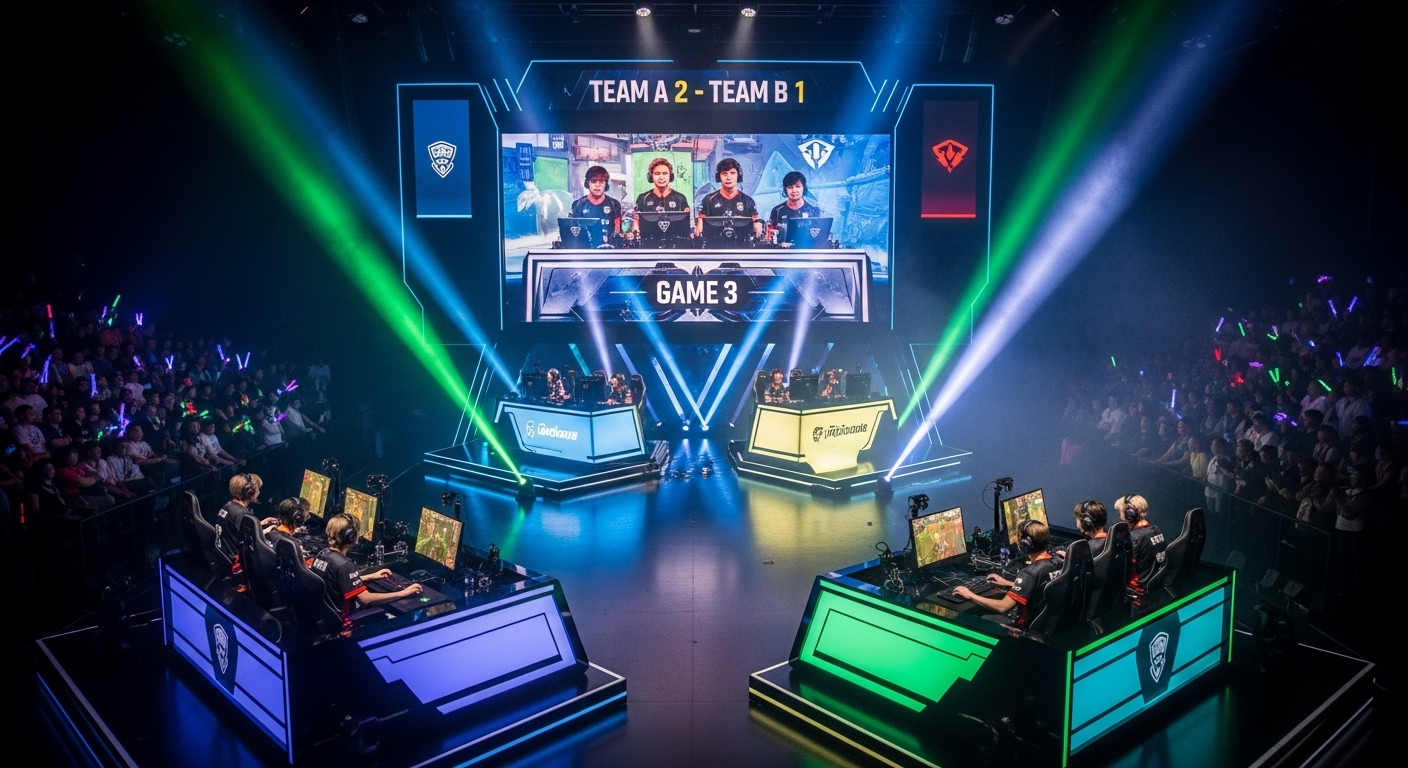
Esports has transformed from a niche hobby into a global industry worth billions of dollars, drawing millions of viewers across streaming platforms and live arenas. While competitive gaming is now embraced worldwide, one nation has consistently stood at the center of this phenomenon—South Korea.
From pioneering televised gaming competitions to developing infrastructure that other countries would later adopt, South Korea’s influence in esports is unparalleled. But why does this small East Asian country dominate the esports landscape? The answer lies in a unique combination of cultural acceptance, government support, technological innovation, and professionalized player development.
This article explores the factors that explain South Korea’s leadership in esports, tracing its history, examining its structures, and considering what the future holds.
The Early Roots of Esports in South Korea
The 1990s and the Rise of PC Bangs
South Korea’s esports story begins in the late 1990s. The Asian financial crisis left many unemployed, and affordable entertainment became essential. Around the same time, internet cafés—known as PC bangs—spread rapidly across the country. For a small hourly fee, people could play high-performance games on powerful computers.
These PC bangs weren’t just internet hubs; they became social spaces where young players could connect, compete, and build communities. Unlike in many Western nations where gaming was often stigmatized, South Korea treated PC bangs like social clubs. The sense of collective play fostered a competitive spirit that naturally evolved into organized tournaments.
StarCraft: The National Game
Another crucial element in Korea’s esports rise was StarCraft: Brood War, released by Blizzard Entertainment in 1998. The real-time strategy game became more than entertainment—it was a cultural movement. Its complexity, demand for skill, and balance made it perfect for competition.
By the early 2000s, televised StarCraft matches were attracting massive audiences. Dedicated cable channels like OnGameNet (OGN) and MBCGame broadcasted esports, turning professional players into celebrities. Names like Lim “BoxeR” Yo-hwan became household icons.
StarCraft’s popularity built the foundation for South Korea’s esports culture and professional infrastructure, establishing traditions that continue today.
Government and Institutional Support
Unlike many countries where gaming was initially dismissed, the South Korean government recognized esports as a legitimate industry early on.
Creation of the Korean e-Sports Association (KeSPA)
In 2000, the government formed the Korean e-Sports Association (KeSPA) to regulate tournaments, protect players, and promote esports internationally. KeSPA’s involvement gave esports legitimacy and helped establish professional leagues.
By standardizing contracts, broadcasting rights, and tournament structures, KeSPA brought esports into the mainstream and ensured it was treated with the same seriousness as traditional sports.
Investment in Digital Infrastructure
South Korea’s early investment in high-speed internet also played a massive role. By the early 2000s, South Korea had some of the world’s fastest internet connections. Broadband availability made online competition seamless, giving Korean players an edge in training and practice.
This infrastructure also enabled the growth of live streaming and esports broadcasting long before it became a global trend.
Esports as a Cultural Phenomenon
Gaming as Socially Accepted
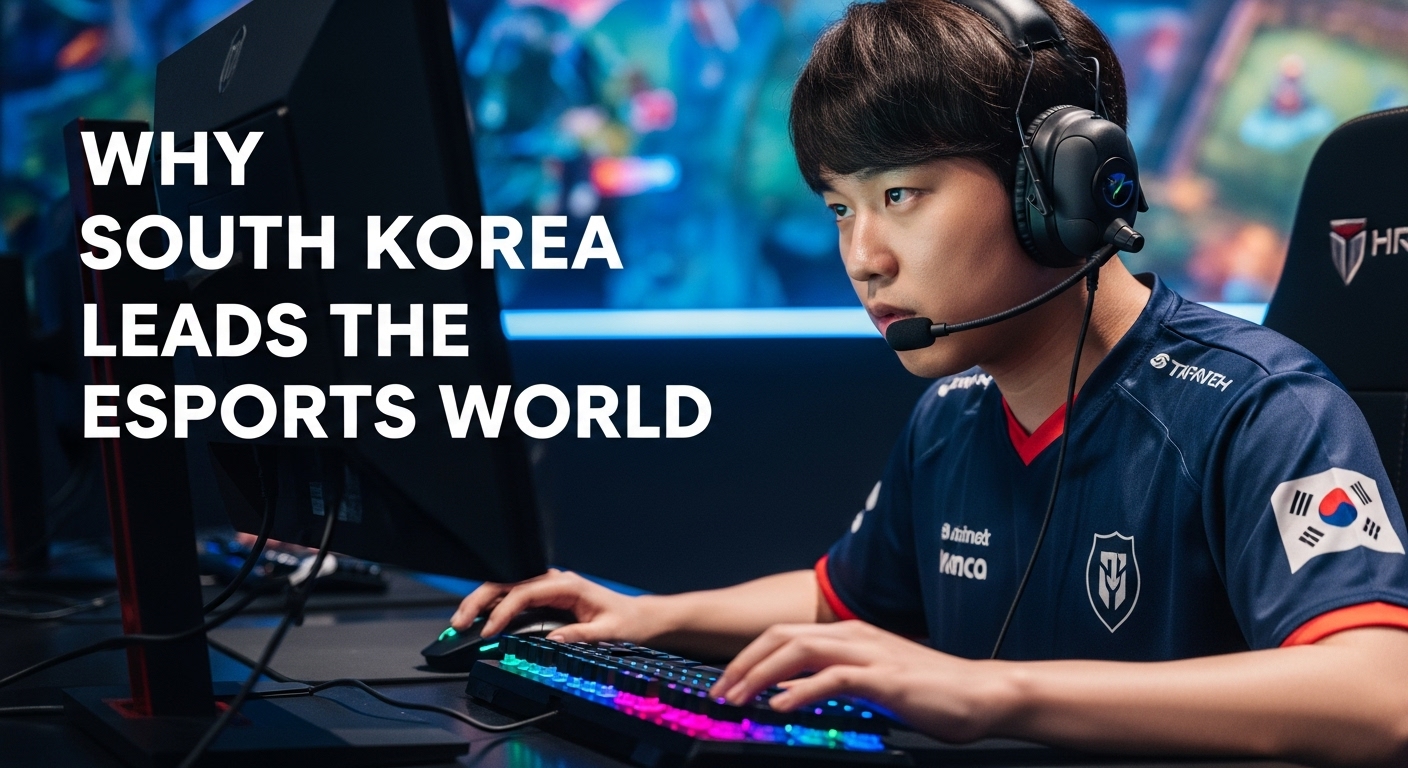
In many countries, video gaming was long viewed as a waste of time. In South Korea, however, esports became socially acceptable and even admirable. Professional players were seen as dedicated athletes rather than kids avoiding responsibility.
Parents often allowed children to pursue esports careers if they showed talent, especially as early stars became wealthy and famous. Unlike in the West, where aspiring pro gamers were often dismissed, South Korea cultivated an environment where competitive gaming was a respected career path.
Celebrities and Media Coverage
Esports stars in South Korea receive the same level of recognition as K-pop idols or sports athletes. Players are interviewed on television, featured in advertisements, and celebrated for their discipline.
This celebrity status inspired young players to pursue gaming seriously, further fueling the talent pipeline.
Training, Discipline, and Professionalization
Rigorous Training Schedules
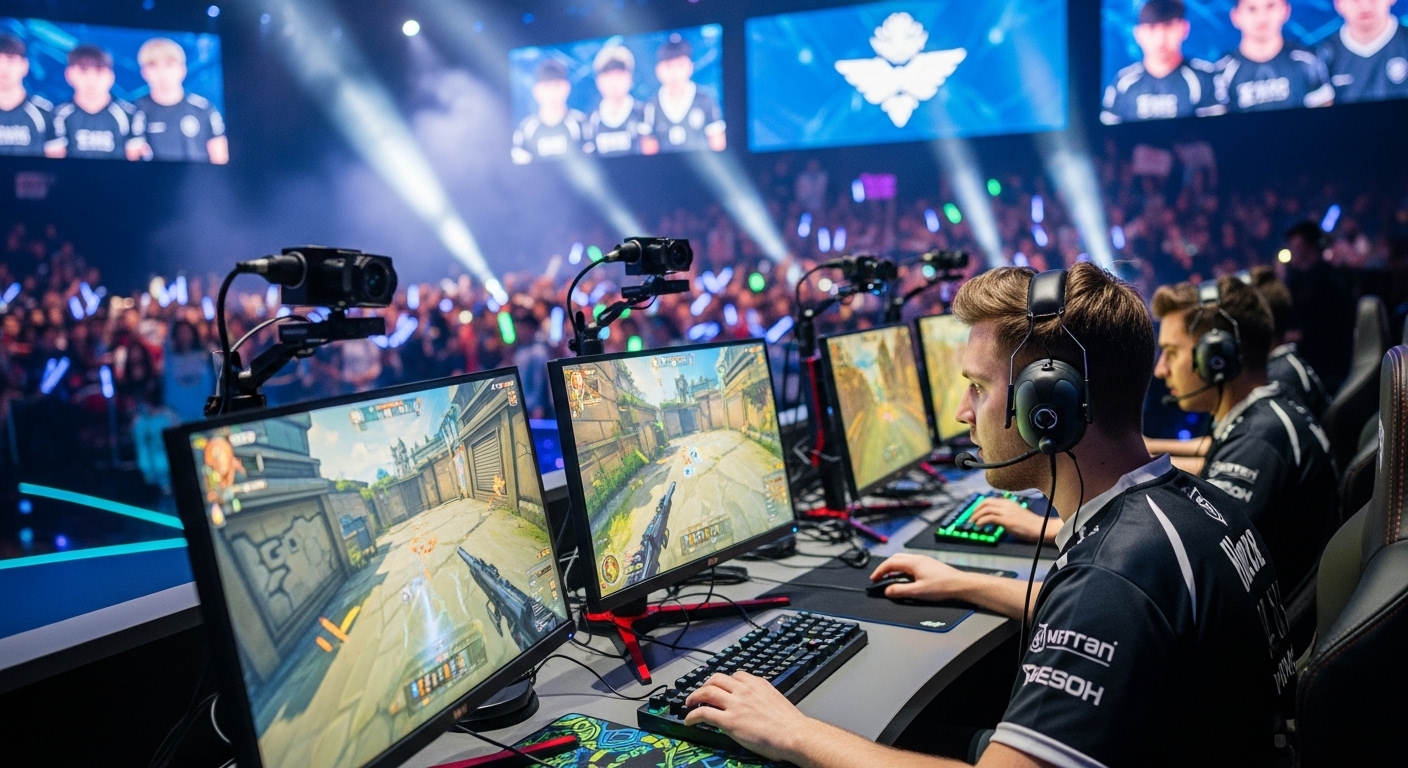
Korean esports players are renowned for their work ethic. Professional teams operate like traditional sports organizations, with structured practice sessions that often run 10–12 hours a day. Players train with coaches, analysts, and psychologists to sharpen both their gameplay and mental strength.
This rigorous training culture has produced some of the world’s most dominant teams, particularly in games like League of Legends, Overwatch, and StarCraft II.
Team Houses and Boot Camps
Korean teams popularized the concept of team houses—shared living spaces where players train together under one roof. This model created tight-knit teams, improved communication, and allowed constant practice.
Boot camps and team houses have since been adopted by Western organizations, but Korea’s early use of this system gave them a head start in team synergy and player discipline.
Global Dominance in Major Titles
League of Legends (LoL)
When League of Legends exploded globally, South Korea quickly became the gold standard. The LCK (League of Legends Champions Korea) is considered the most competitive domestic league in the world. Teams like SK Telecom T1 (now T1) dominated international tournaments, winning multiple World Championships.
Korean players’ mastery of strategy, mechanics, and teamwork set benchmarks that other regions struggled to match.
StarCraft II
Though global popularity waned compared to its predecessor, StarCraft II remained a Korean stronghold. Players like Lee “Life” Seung Hyun and Cho “Maru” Seong Ju became legends, cementing Korea’s place as the home of strategy-based esports.
Overwatch and Beyond
Korea’s dominance extended to newer titles like Overwatch, where the Seoul Dynasty and national Korean teams consistently performed at the highest level. Even in games less culturally ingrained, Korean players adapt quickly and rise to the top.
Infrastructure and Ecosystem
PC Bangs as Talent Incubators
The PC bang culture remains central to Korea’s esports dominance. Young players can practice at low cost in high-performance environments, meeting other aspiring pros and forming grassroots communities.
This ecosystem ensures that new talent is constantly emerging, unlike in regions where access to gaming infrastructure is limited by cost or stigma.
Broadcasting and Media Ecosystem
South Korea’s dedicated esports broadcasting networks set the standard for production quality. Before Twitch became mainstream, Korean esports already had professional commentators, analysts, and live audiences.
This professionalization of esports broadcasting made tournaments entertaining and accessible, helping esports gain mainstream acceptance faster.
The Role of Education and Youth Development
Some Korean schools now integrate esports into extracurricular activities, while universities offer scholarships for talented players. This institutional backing normalizes esports as a legitimate pursuit and provides young players with structured pathways to professional careers.
Esports academies also exist to train future stars, much like football or basketball academies in other countries.
Challenges South Korea Faces
While South Korea continues to lead, challenges have emerged:
- Player Burnout – Intense training schedules often lead to early retirements, with many players peaking in their late teens or early 20s.
- Global Competition – Other regions, especially China, North America, and Europe, have heavily invested in esports, narrowing Korea’s dominance.
- Game Diversity – Korea has historically dominated strategy and team-based games, but in genres like first-person shooters, Western teams sometimes lead.
- Regulations – Policies like the “shutdown law,” which limited late-night gaming for minors, created debates around balancing youth protection with talent development.
Why South Korea Still Leads
Despite these challenges, South Korea maintains its leadership because of its deep-rooted culture, infrastructure, and professionalism. Esports is not just entertainment—it is woven into the nation’s social fabric.
The combination of government support, community engagement, advanced technology, and disciplined training continues to produce top-tier talent and innovative esports ecosystems.
Future of Korean Esports
Looking ahead, South Korea’s esports scene will likely continue evolving:
- Olympic Recognition – If esports enters the Olympics, Korea will undoubtedly push to dominate.
- Expansion of Game Genres – Korean teams may invest more in genres like battle royales and mobile esports to maintain global influence.
- Esports Tourism – Seoul is already a hub for international tournaments, and esports tourism could become a significant industry.
- Player Welfare – Expect stronger emphasis on mental health and career longevity to address burnout issues.
Conclusion
South Korea’s leadership in esports is not an accident—it is the result of cultural acceptance, government foresight, advanced infrastructure, and relentless discipline. From the explosion of StarCraft to the dominance of League of Legends, Korea has consistently set global standards.
Even as other nations catch up, South Korea remains the epicenter of esports innovation. It is a country where professional gaming is respected, infrastructure is robust, and talent development is systematic.