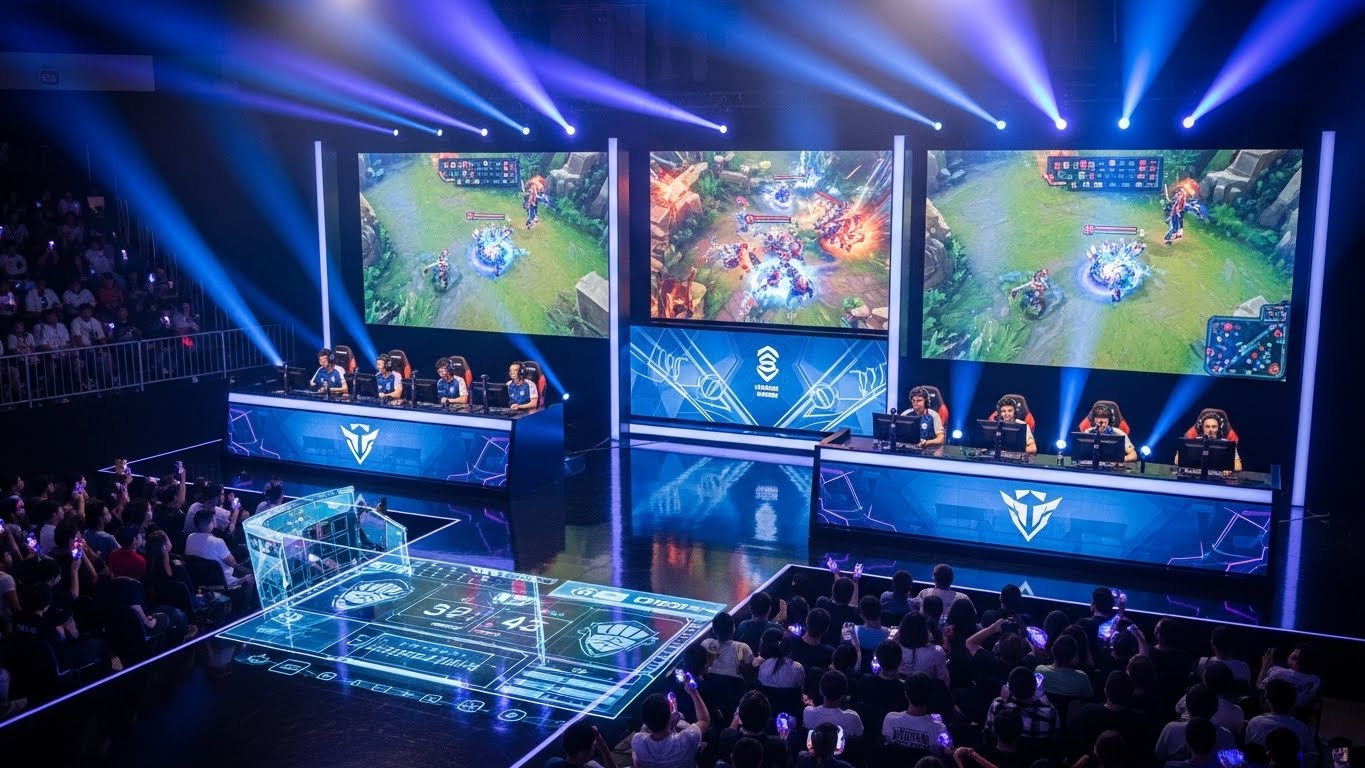
Esports has grown into a global powerhouse of entertainment, competition, and culture. From massive international tournaments to millions of dedicated fans, competitive gaming has reached every corner of the world. Yet one region, in particular, stands out for its energy, enthusiasm, and potential: South America.
South America’s relationship with esports is unique. The region is known for its passion for sports, whether it’s football stadiums filled with roaring fans or street games that embody community and culture. This same passion has now found a new home in the world of competitive gaming. With rapidly growing audiences, emerging star players, and international recognition, South America is carving its own identity in esports.
In this article, we’ll explore the roots of South America’s esports culture, its rise across multiple titles, the challenges faced by the region, and the incredible future that lies ahead.
The Cultural Foundation: Sports Passion Meets Esports
To understand why esports has grown so rapidly in South America, we need to look at the continent’s deep-rooted sports culture. Football (soccer) is not just a pastime; it’s a way of life. Stadiums in Brazil, Argentina, and Chile have long been places where communities gather, celebrate, and express themselves.
This love for competition, teamwork, and national pride translates naturally into esports. Just as fans cheer for their local football club, they now rally behind professional gamers and esports teams. The emotions are the same—excitement, loyalty, and the thrill of victory.
Young generations, raised on both football and video games, see esports as the modern extension of their competitive spirit. Parents who once dreamt of their children becoming football stars now also watch them pursue professional gaming careers.
The Early Days of Esports in South America
Esports didn’t explode overnight in South America. Its roots can be traced back to the early 2000s, when internet cafés and local gaming clubs became popular gathering spots for youth.
In Brazil, titles like Counter-Strike 1.6 and StarCraft drew competitive scenes. Argentina and Chile had strong communities around Warcraft III and FIFA. These grassroots competitions may not have had large prize pools, but they built the foundation of community-driven esports.
The turning point came when global streaming platforms like Twitch and YouTube Gaming made esports more accessible. Fans could now watch international tournaments, compare their local players to global stars, and dream bigger. What once felt like a niche hobby began to grow into mainstream recognition.
Brazil: The Powerhouse of South American Esports
If there’s one country leading the esports charge in South America, it’s Brazil. With a population of over 200 million and a vibrant youth demographic, Brazil has become the hub for both esports players and audiences.
Brazilian teams like MIBR (Made in Brazil) in Counter-Strike and INTZ in League of Legends gained global recognition. Brazilian players are known not just for their skill but also for their showmanship and passion, which resonates with fans.
The rise of Free Fire in Brazil is especially significant. The mobile battle royale game exploded in popularity, becoming one of the biggest esports titles in the country. Tournaments fill stadiums, with millions tuning in online. For many Brazilian gamers, Free Fire is more accessible than PC or console titles, thanks to the affordability of mobile gaming.
Esports organizations in Brazil now receive sponsorships from major brands, including energy drinks, tech companies, and even banks. What was once grassroots gaming has transformed into a professional industry.
Argentina and Chile: Rising Stars in the Scene
While Brazil dominates the headlines, Argentina and Chile have also become hotspots for esports growth.
In Argentina, the popularity of FIFA and League of Legends is undeniable. Professional FIFA players from Argentina have competed and won on international stages, bringing pride to their nation. Argentina also boasts a growing esports infrastructure, with local leagues and government recognition of esports as a professional activity.
Chile, though smaller in size, has punched above its weight in esports. The country has produced notable StarCraft II players and continues to build a strong scene in League of Legends. Chile’s passionate gaming community is highly engaged, with fans often traveling across borders to support their favorite teams in regional tournaments.
Peru, Colombia, and Beyond: Expanding the Esports Map
Other South American nations are quickly joining the esports movement.
- Peru is becoming a regional leader in Dota 2, with teams like Thunder Awaken competing in international tournaments. The Peruvian community is incredibly dedicated, with fans watching games in cafés and on big screens during major events.
- Colombia is growing in mobile esports, particularly with titles like Free Fire and PUBG Mobile, which are popular among young players.
- Ecuador and Bolivia may not yet have massive infrastructures, but their communities are tightly knit and passionate, laying the groundwork for future growth.
Together, these countries show that esports is not confined to one nation in South America—it’s a continent-wide movement.
Popular Esports Titles in South America
While esports is global, each region has its own favorites. In South America, the following titles dominate:
- Free Fire – The king of mobile esports in Brazil and beyond. Its accessibility makes it a cultural phenomenon.
- League of Legends – One of the most established titles, with the CBLOL (Brazilian Championship) being a flagship league in the region.
- Counter-Strike: Global Offensive (CS:GO) – Brazil’s legacy in Counter-Strike remains strong, with players and teams competing on the world stage.
- FIFA – Football’s video game counterpart is naturally popular, especially in Argentina.
- Dota 2 – Peru has built a strong community around this title, contributing to the international esports ecosystem.
- PUBG Mobile and Call of Duty Mobile – Mobile titles continue to grow due to accessibility and affordability.
Esports Infrastructure: From Cafés to Arenas
The infrastructure supporting esports in South America has transformed dramatically over the last decade.
In the early days, internet cafés and small LAN centers were the heart of esports. Now, entire stadiums are being filled for major events. Brazil, in particular, has hosted international tournaments where fans show the same level of energy as they do for football matches.
Esports organizations, talent agencies, and streaming companies are investing in the region. Universities are beginning to integrate esports programs, offering scholarships and academic pathways for gamers.
The infrastructure may still lag behind regions like Asia or North America, but the trajectory is clear—South America is building a professional ecosystem capable of supporting long-term growth.
Streaming and Content Creation
One of the most important drivers of esports in South America has been streaming. Platforms like Twitch, YouTube, and Facebook Gaming gave South American gamers a global stage.
Brazilian streamers, such as Gaules, have millions of followers and broadcast tournaments to massive audiences. These personalities are not just entertainers but also cultural icons, shaping how esports is perceived.
Local language streams are essential. While English broadcasts dominate international esports, Portuguese- and Spanish-language content ensures accessibility for South American fans. This localization has significantly expanded esports’ reach.
Challenges Facing South American Esports
Despite the passion and growth, South America faces several challenges in developing esports to its full potential:
- Infrastructure Gaps – Internet speeds and connectivity still vary widely across the continent, limiting opportunities for some communities.
- Financial Investment – Compared to North America, Europe, and Asia, esports in South America receives less sponsorship money and corporate backing.
- Travel and Logistics – Competing internationally is expensive, with teams often facing visa hurdles and travel costs.
- Government Recognition – While some countries acknowledge esports as a professional activity, others still lack formal frameworks.
Overcoming these challenges is essential for South America to fully establish itself as a global esports powerhouse.
Community and Fan Culture
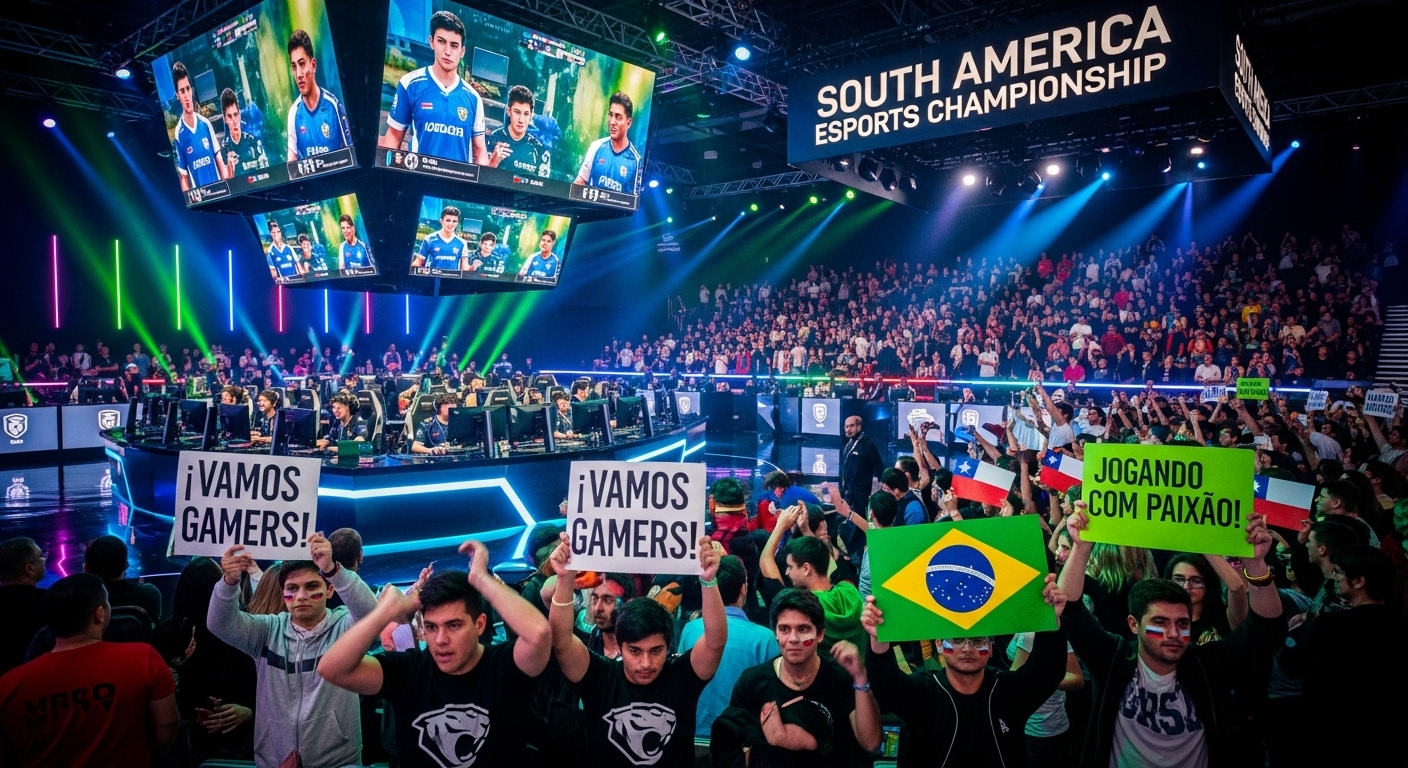
South America’s esports fan culture is unlike anywhere else in the world. Fans are loud, passionate, and deeply loyal. They bring the same energy from football stadiums to esports arenas.
Chants, flags, and coordinated cheers are common at live events. Online, fans flood social media with support, turning players into celebrities. The sense of national pride is strong—when a Brazilian, Argentine, or Peruvian player competes internationally, the whole country rallies behind them.
This passionate fan culture not only drives esports locally but also makes South American tournaments some of the most exciting in the world.
The Future of South American Esports
Looking ahead, the future of esports in South America is bright.
- More International Success – With growing talent pools, South American teams are expected to win more international tournaments.
- Investment and Sponsorship – As brands recognize the value of esports audiences, more financial support will flow into the region.
- Mobile Dominance – Mobile gaming will continue to fuel accessibility, particularly for younger players.
- Esports Education – Universities and schools will expand esports programs, creating career paths for players, coaches, and content creators.
- Global Recognition – South America will no longer be seen as a “developing” esports market but as a leader in the industry.
Conclusion
South America’s passion for esports is undeniable. Fueled by a cultural love of competition, a growing community of players, and an unstoppable fan base, the region is carving its own space in the global esports ecosystem.
From Brazil’s dominance to Peru’s rising Dota 2 scene, from Argentina’s FIFA champions to the mobile revolution sweeping across the continent, South America is proving that esports is not just entertainment—it’s a cultural movement.