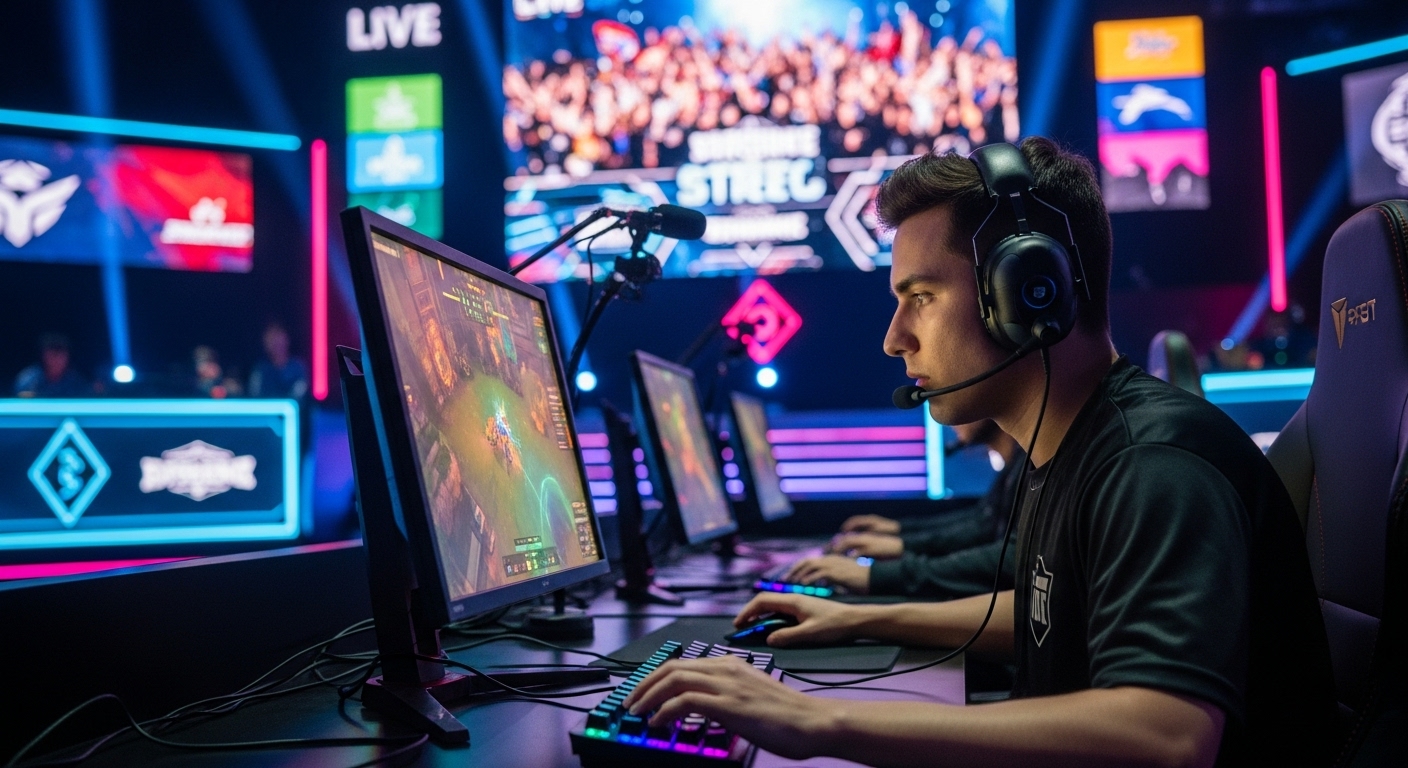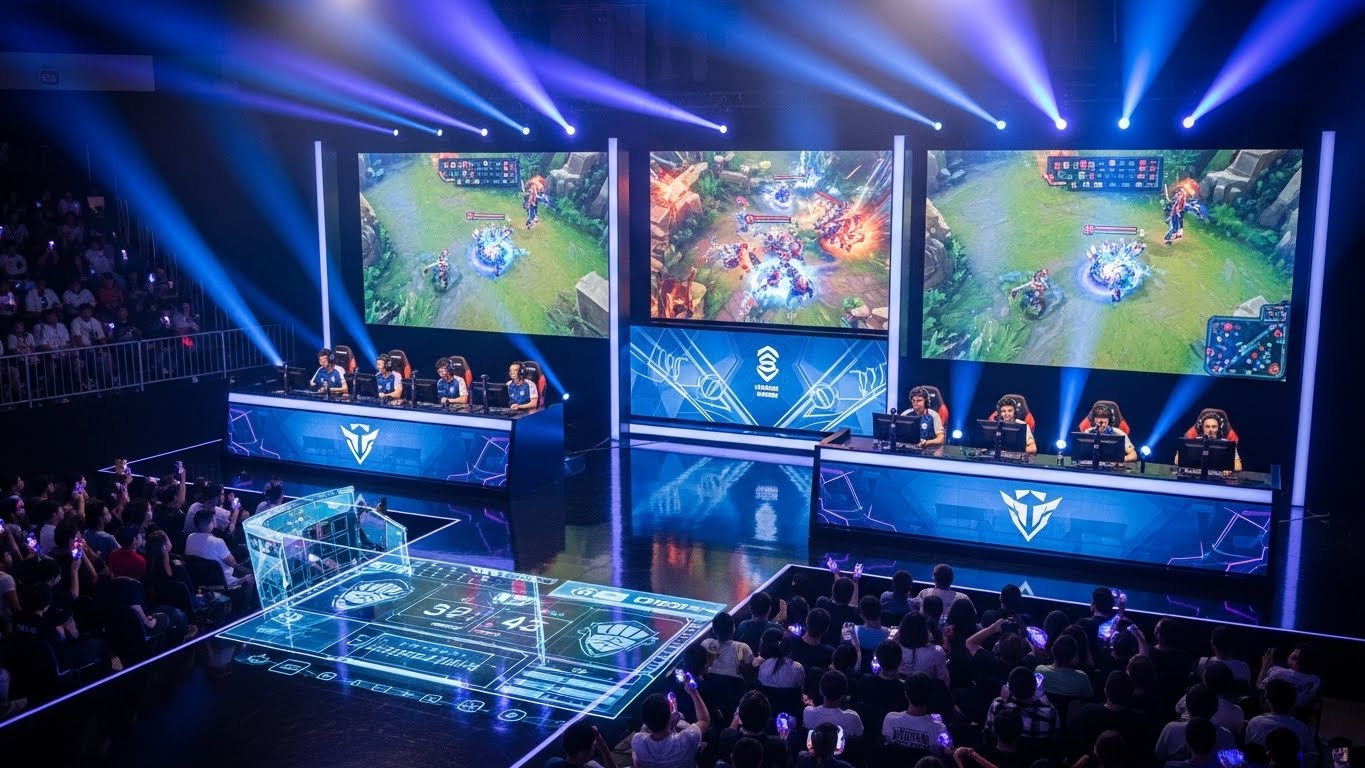
Esports, short for electronic sports, has grown from a niche hobby into a global cultural phenomenon. What was once considered merely recreational gaming is now a highly competitive, professionalized industry that attracts millions of players and spectators worldwide. The meteoric rise of esports over the past decade is reshaping entertainment, sports, and even education, creating opportunities that were unimaginable a few years ago. This blog explores the evolution, impact, and future of esports in society.
The Origins of Esports
The roots of esports can be traced back to the 1970s and 1980s, when video games began gaining popularity. Early competitions were often local events or arcade tournaments where players competed for small prizes. In 1972, the first recorded video game competition, known as the “Intergalactic Spacewar Olympics,” took place at Stanford University, with students competing in the game Spacewar. While primitive by today’s standards, these early competitions planted the seeds of organized competitive gaming.
The 1990s saw the rise of more structured esports tournaments with the advent of personal computers and local area networks. Games like Warcraft, StarCraft, and Quake became popular competitive titles. In South Korea, competitive gaming gained cultural significance with the establishment of professional leagues and televised tournaments, cementing the foundation for modern esports.
The Growth of Esports in the 21st Century
The 2000s marked a significant turning point for esports. The development of broadband internet allowed for online multiplayer gaming, enabling players from around the world to compete against each other. Platforms like Battle.net, Xbox Live, and Steam facilitated a global gaming community, while tournaments evolved to include international participants.
The rise of streaming platforms like Twitch revolutionized the way audiences engage with esports. Fans could watch live gameplay, follow their favorite players, and interact in real time, transforming esports into a spectator sport. Today, some of the most popular games in esports include League of Legends, Dota 2, Counter-Strike: Global Offensive, Fortnite, and Valorant. These titles attract millions of viewers and offer multi-million-dollar prize pools, rivaling traditional sports in terms of competitiveness and entertainment value.
The Business of Esports
Esports is no longer just about playing games—it has become a booming industry. The global esports market has experienced exponential growth, driven by sponsorships, advertising, merchandise, ticket sales, and media rights. Major brands, ranging from tech companies to consumer goods, sponsor teams and tournaments, recognizing the potential of reaching a younger, tech-savvy audience.
Professional esports teams operate much like traditional sports organizations, with coaches, analysts, nutritionists, and marketing staff. Top-tier players earn substantial salaries, often supplemented by prize winnings, streaming revenue, and endorsement deals. Tournaments such as The International for Dota 2 and the League of Legends World Championship offer prize pools that reach tens of millions of dollars, highlighting the lucrative nature of competitive gaming.
The Cultural Impact of Esports
Esports has had a profound cultural impact. It has shifted perceptions about gaming, turning it into a legitimate career path for many young people. Universities and colleges around the world are now offering scholarships for esports athletes, recognizing their talent and dedication. These programs provide structured training, academic support, and professional development, helping players transition into careers within the gaming industry or beyond.
Esports has also influenced popular culture. Games, memes, and esports personalities shape trends and social interactions online. Professional players enjoy celebrity status, and tournaments are often broadcast with the same production quality as major sporting events. Cosplay, fan art, and gaming conventions further demonstrate how esports has become an integral part of contemporary entertainment.
The Psychological and Social Aspects of Esports
While esports offers opportunities, it also presents challenges related to mental and physical health. The pressure to perform at a professional level can lead to stress, burnout, and anxiety. Long hours of practice and competition can result in repetitive strain injuries and eye strain. However, many organizations now prioritize player wellness by implementing mental health support, physical training regimens, and structured schedules to prevent overexertion.
On a social level, esports fosters a sense of community. Online and offline interactions among players and fans create a shared culture and identity. Gamers learn teamwork, strategic thinking, and communication skills, which are transferable to other areas of life. Competitive gaming also promotes inclusivity, with increasing efforts to involve women, underrepresented groups, and international players in the esports ecosystem.
Esports as an Educational Tool
Esports is increasingly being recognized as an educational tool. Schools and colleges are incorporating gaming into curricula to teach subjects such as computer science, programming, and digital media. Competitive gaming teaches critical thinking, problem-solving, and collaboration, skills highly valued in modern workplaces. Moreover, esports clubs and teams provide students with opportunities to develop leadership, time management, and communication skills.
The gamification of education through esports also enhances engagement. Learning through gaming encourages creativity and experimentation, making educational experiences more interactive and enjoyable. As technology continues to advance, esports may play an even larger role in developing skills for the digital age.
Challenges Facing the Esports Industry
Despite its growth, esports faces several challenges. One of the biggest concerns is sustainability. Professional players often have short careers, and teams must continuously recruit new talent. The rapid pace of game development and changing player preferences also means that popular titles may lose their competitive viability, affecting tournaments and fan engagement.
Regulation and governance remain complex issues. Unlike traditional sports, esports lacks a unified international governing body, leading to inconsistencies in rules, player contracts, and tournament organization. Issues like cheating, doping, and match-fixing also need to be addressed to maintain credibility and fairness.
Additionally, esports must navigate societal perceptions. While attitudes toward gaming have improved, some still view esports as less legitimate than traditional sports. Overcoming these perceptions is crucial for securing long-term recognition, sponsorship, and institutional support.
The Future of Esports
The future of esports looks promising. Technological advancements, such as virtual reality, augmented reality, and cloud gaming, are poised to transform competitive gaming experiences. Esports may become even more immersive, interactive, and accessible, attracting new audiences worldwide. Artificial intelligence and data analytics will also enhance training, strategy, and fan engagement, elevating the level of competition.
As esports continues to integrate with mainstream media and entertainment, it may achieve parity with traditional sports in terms of popularity, infrastructure, and financial sustainability. Moreover, global recognition, including potential inclusion in multi-sport events and the Olympics, could further solidify esports as a legitimate sporting and cultural phenomenon.
Conclusion
Esports has come a long way from its humble beginnings as casual gaming competitions. Today, it is a global industry with millions of players, spectators, and professionals shaping its future. With opportunities for education, career development, and cultural influence, esports is much more than a pastime—it is a movement redefining sports, entertainment, and digital interaction. While challenges remain, the growth and innovation within the esports ecosystem suggest a vibrant and exciting future. Competitive gaming is here to stay, and its impact will continue to resonate across society for years to come.