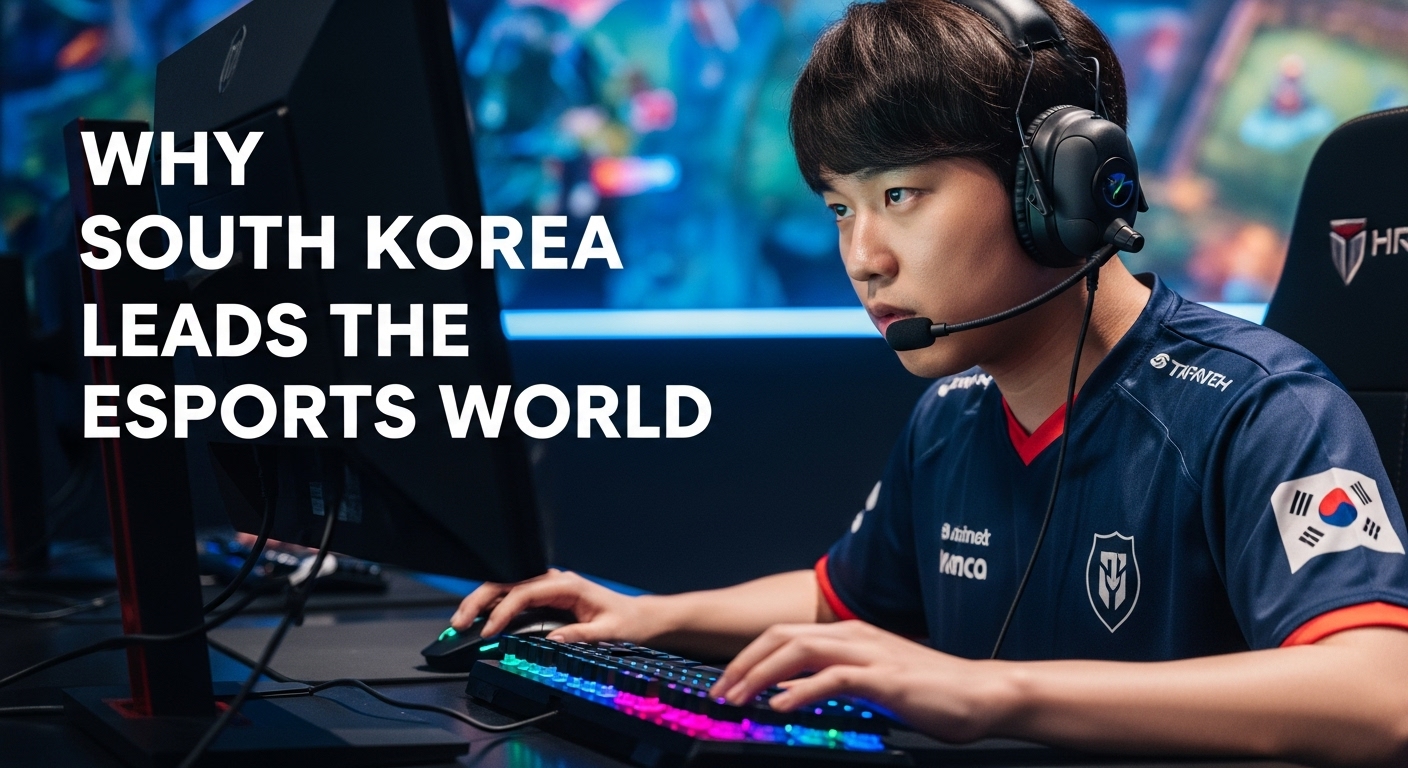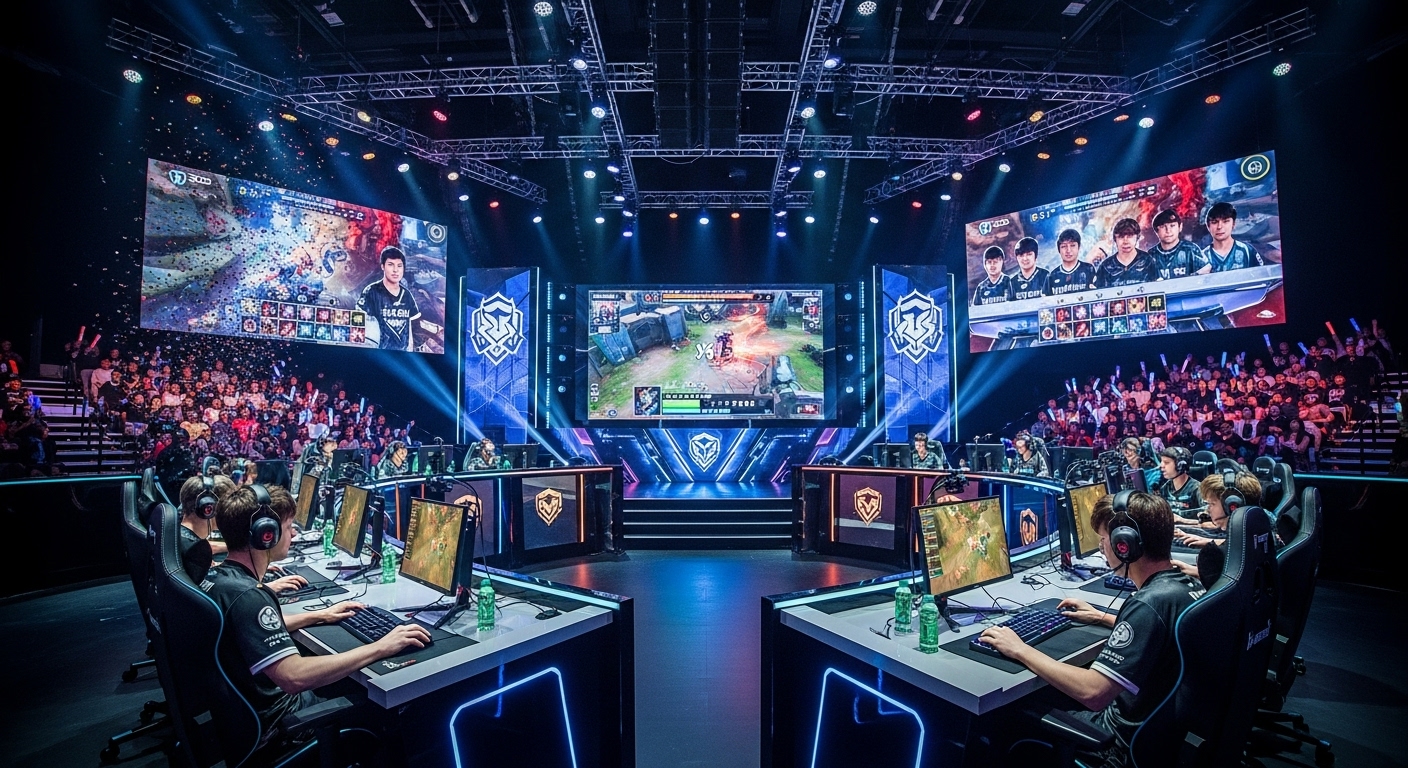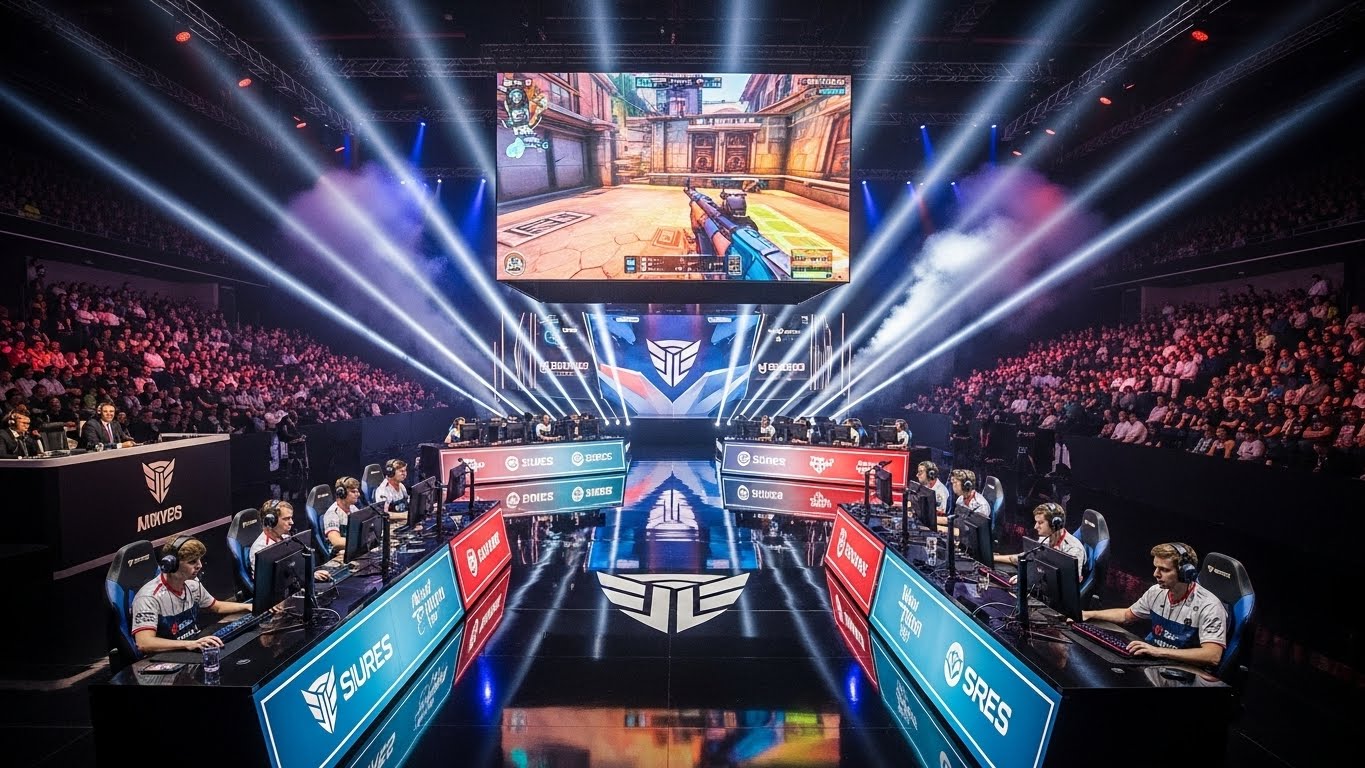
Esports, short for electronic sports, has rapidly transformed from a casual pastime into a global industry attracting millions of players and fans. What was once limited to small gatherings of gamers has evolved into massive tournaments with professional teams, dedicated leagues, and international audiences. Beyond entertainment, esports is influencing technology, culture, education, and careers. This article explores the rise of esports, its social and economic impact, its challenges, and its role in shaping the future.
The Origins of Esports
Esports has a long history dating back to the early days of video gaming. The first recorded gaming competition took place in 1972 at Stanford University, featuring the game “Spacewar.” The 1980s and 1990s saw the rise of arcade tournaments and competitive PC gaming, with titles like “Quake,” “StarCraft,” and “Counter-Strike” gaining popularity in competitive circles.
The 2000s marked a turning point. With the advent of high-speed internet and online gaming, players could compete globally. Games like “League of Legends,” “Dota 2,” and “Overwatch” became major platforms for competitive gaming. Streaming platforms further popularized esports, allowing millions of viewers to watch tournaments live, transforming casual gaming into professional, spectator-driven competition.
Physical and Mental Benefits of Esports
While esports is primarily digital, it requires significant physical and mental skills. Professional players develop exceptional hand-eye coordination, reflexes, and fine motor skills through hours of practice. Their ability to multitask, track multiple variables, and respond quickly to changing scenarios sharpens cognitive abilities.
Mentally, esports promotes strategic thinking, problem-solving, and adaptability. Players analyze opponents, develop strategies, and make rapid decisions under pressure. It also encourages discipline and perseverance. Consistent training, reviewing past performances, and learning from mistakes cultivate resilience, patience, and focus—skills that extend beyond gaming into everyday life.
Community and Social Engagement
Esports thrives on community engagement. Multiplayer games demand teamwork, communication, and collaboration, fostering social skills and interpersonal growth. Gamers often form friendships and professional networks that span across countries and cultures.
Large-scale tournaments and live streams further strengthen social connections. Fans can interact, share strategies, and discuss gameplay with like-minded individuals, creating a sense of belonging. Esports communities often emphasize inclusivity, making competitive gaming accessible to people from diverse backgrounds. This social dimension positions esports as a cultural and communal phenomenon, rather than just a form of entertainment.
Professional Opportunities in Esports
Esports has become a viable professional career. Top players earn income through tournament winnings, sponsorships, streaming, and content creation. Leading esports athletes achieve celebrity status, with earnings rivaling traditional sports stars.
Beyond players, careers in coaching, analysis, event management, commentary, and content production contribute to the industry. Universities and colleges now offer esports scholarships and programs in esports management, strategy, and digital media. This professionalization has elevated esports into a respected, structured, and sustainable field with global recognition.
Economic Impact of Esports
Esports is a multi-billion-dollar industry with far-reaching economic influence. Revenue comes from sponsorships, merchandise, media rights, tournament prizes, and advertising. Companies target esports audiences to engage tech-savvy and highly invested consumers.
Esports also creates jobs in event management, digital content, marketing, and technology. Cities invest in esports infrastructure such as arenas and training facilities. The economic impact extends to entertainment, tourism, and technology sectors, demonstrating esports’ role as a major driver of innovation and growth.
Technology Driving Esports
Technology underpins the esports phenomenon. High-performance gaming computers, fast internet connections, and streaming platforms make global competition seamless. Innovations like virtual reality, augmented reality, and cloud gaming are expanding immersive experiences for players and audiences alike.
Artificial intelligence and data analytics enhance performance and strategy. AI tracks player movements, analyzes patterns, and provides insights for improvement. Streaming platforms allow millions of viewers to experience tournaments in real-time, interact with players, and share insights. Technology not only facilitates competition but also revolutionizes audience engagement.
Esports in Education
Esports is increasingly integrated into education. Schools and universities use esports programs to teach teamwork, leadership, and critical thinking. Players learn to collaborate, analyze situations, and adapt quickly, developing valuable life skills.
Academic programs focusing on game design, digital media, and esports management prepare students for careers within the industry. Participation in esports fosters creativity, cognitive development, and problem-solving skills. This educational aspect highlights that esports is more than entertainment—it is a tool for learning and personal growth.
Health Considerations in Esports
Despite its benefits, esports presents health challenges. Extended gaming can lead to eye strain, repetitive stress injuries, poor posture, and physical fatigue. A sedentary lifestyle may result in long-term health issues if not balanced with exercise and wellness routines.
Mental health is also crucial. Competitive pressure, long hours of practice, and constant scrutiny can lead to stress, anxiety, and burnout. Addressing these concerns requires structured schedules, physical activity, and mental health support. Ensuring player well-being is essential for the sustainability and growth of the esports industry.
Diversity and Gender in Esports
Esports has historically been male-dominated, but this is changing. More women and underrepresented groups are entering competitive gaming, achieving recognition in tournaments, and challenging stereotypes.
Promoting diversity and inclusion strengthens the esports community. Initiatives like mentorship programs, inclusive competitions, and safe online spaces encourage broader participation. This not only increases talent pools but also fosters innovation and growth within the industry.
Cultural Influence of Esports
Esports has become a global cultural phenomenon. Major tournaments attract millions of viewers across continents, creating shared experiences among diverse audiences. Games like “Fortnite,” “Valorant,” and “League of Legends” have created worldwide fan communities.
Esports also influences entertainment, fashion, and digital media. Streamers and professional players act as role models, inspiring fans and shaping cultural trends. The cultural impact of esports highlights the intersection of technology, entertainment, and social interaction in the digital age.
Challenges Facing Esports
Despite its rapid growth, esports faces challenges. Cheating, toxicity in online communities, and inconsistent regulations threaten fairness and credibility. Access to high-quality equipment and stable internet remains a barrier for some players.
Health concerns and mental stress are ongoing issues. Addressing these challenges requires collaboration among game developers, tournament organizers, educators, and policymakers. Standardized rules, ethical guidelines, and support systems are essential for sustaining growth and credibility.
The Future of Esports
The future of esports is promising. Emerging technologies like virtual reality, cloud gaming, and artificial intelligence will further enhance gameplay and audience interaction. International tournaments will expand, providing opportunities for professional players, content creators, and fans.
Esports is likely to play a greater role in education, career development, and cultural exchange. By focusing on health, inclusivity, and regulation, the industry can continue to grow sustainably while remaining accessible and engaging for diverse communities worldwide.
Conclusion: Esports Beyond the Game
Esports is more than digital competition; it is a transformative force shaping culture, technology, education, and careers. It develops cognitive, social, and professional skills while creating global communities and economic opportunities. For players, esports teaches discipline, strategy, and resilience. For fans, it fosters engagement and belonging.
As esports evolves, it redefines the concept of competition, proving that dedication, skill, and collaboration extend beyond traditional sports arenas. Esports demonstrates that the digital realm can be as impactful and inspiring as any physical sporting field. It is not just a game; it is a platform for innovation, human potential, and global connection.