Introduction: A New Era of Competitive Play
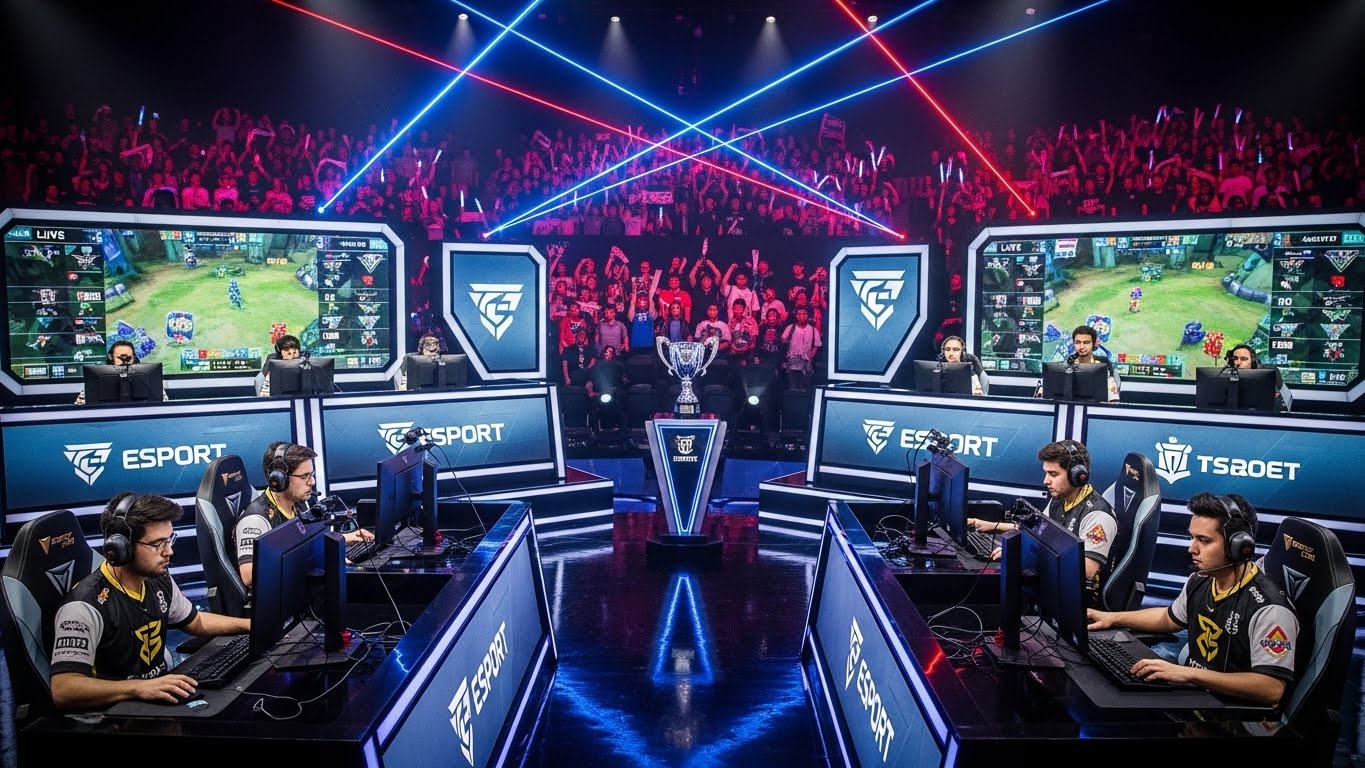
In the past, competitive gaming was often seen as a casual hobby confined to living rooms, computer cafés, or small local gatherings. Today, esports has risen far beyond those humble beginnings to become a global entertainment phenomenon. Millions of fans tune in to watch tournaments, professional players earn salaries that rival traditional athletes, and major brands invest heavily in teams and events. Esports is no longer just about games; it represents a complete cultural shift that bridges technology, entertainment, and community. The digital arena has reshaped how competition is perceived, making it accessible to anyone with passion, skill, and an internet connection.
The Rapid Evolution of Esports
The rise of esports did not happen overnight. Early competitive scenes were dominated by arcade games, then later by PC titans like StarCraft and Counter-Strike. As internet speeds improved and gaming communities expanded, organized competitive play became more structured. Leagues emerged, prize pools grew, and video-sharing platforms made it easier for fans to follow their favorite players. What began as small, grassroots competitions evolved into large-scale tournaments broadcast to millions worldwide. This evolution is a testament to the power of digital transformation and the growing acceptance of gaming as a legitimate career pathway.
Why Esports Captures the Attention of Millions
One of the biggest reasons esports has grown so rapidly is its accessibility. Anyone can watch tournaments from home, study strategies online, or even start practicing to compete. The barrier to entry is far lower than traditional sports, which often require specialized equipment, training facilities, or physical attributes. Esports focuses on mental agility, reaction time, strategy, and teamwork. These universal skills appeal to a wide range of audiences.
Moreover, the storytelling behind esports is powerful. Fans follow players through triumphs and setbacks, cheer their favorite teams during championships, and connect with content creators who share gameplay and personal experiences. This emotional investment helps create a vibrant global fanbase that rivals conventional sports communities.
The Role of Streaming and Online Platforms
Esports owes much of its popularity to the rise of digital streaming platforms. These platforms offer instant, real-time broadcasts to audiences everywhere. Unlike traditional television, streaming allows players and commentators to engage directly with viewers through chat and social features, making the experience more interactive and personal. As a result, fans feel closer to the action and more connected to the gaming world.
Streaming has also empowered individual gamers to build their own brands. Many professional players are influencers and entertainers, sharing behind-the-scenes moments, training routines, and commentary. This dual identity adds depth to their careers and further strengthens the bond between players and fans.
Professional Players: Beyond the Stereotypes
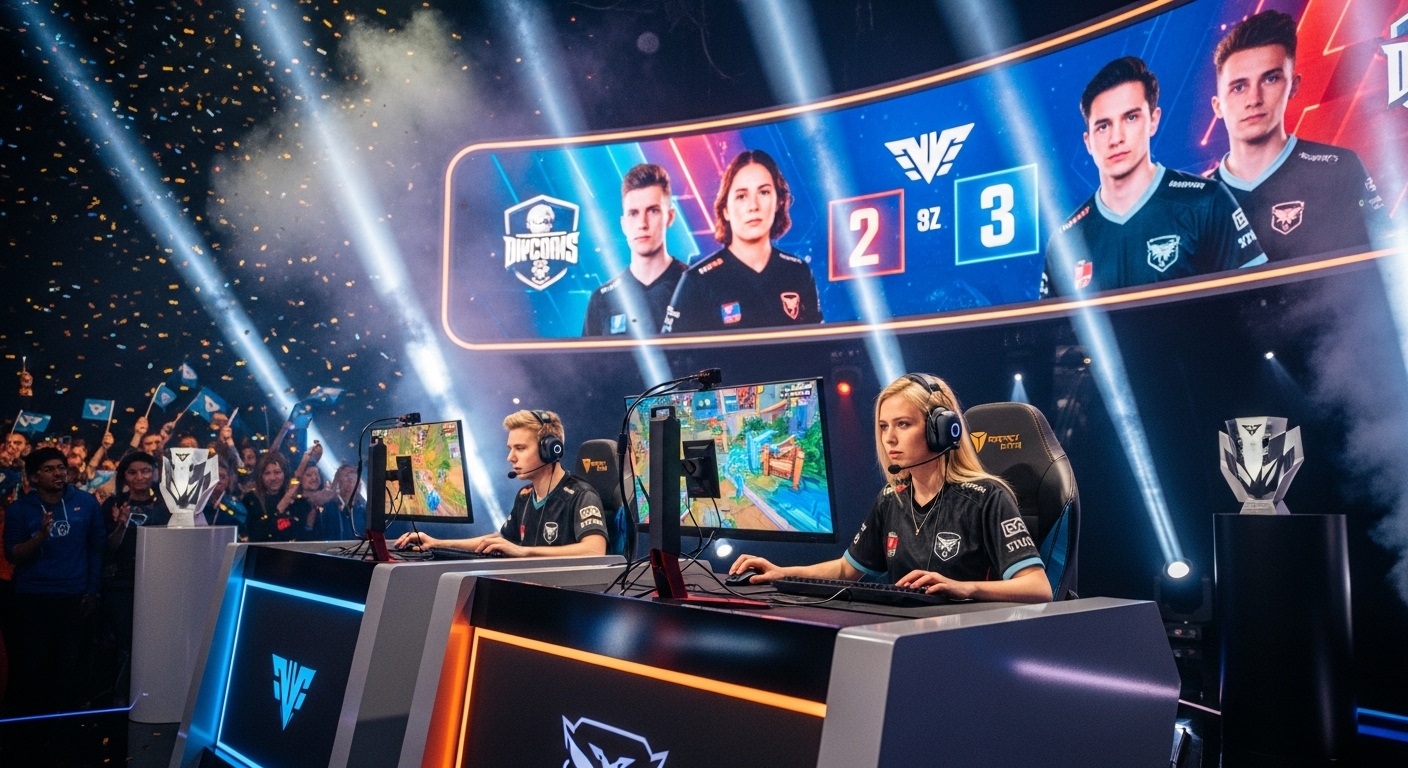
The life of a professional esports athlete is demanding and highly regimented. It requires discipline, countless hours of practice, team coordination, and the ability to perform under intense pressure. Far from the stereotype of casual gaming, professional esports is a high-performance industry where the competition is fierce.
Players often join training facilities where coaches, analysts, and nutrition experts guide them. They review match footage, refine strategies, and participate in scrimmages to stay sharp. Just like traditional athletes, esports professionals must maintain physical and mental health to ensure peak performance. Their careers may be shorter due to the intense pace of the industry, but the dedication they display is undeniable.
The Business of Esports
Esports has grown into a massive commercial enterprise. Revenue comes from sponsorships, merchandise sales, event ticketing, media rights, and partnerships with global brands. Companies that once focused exclusively on traditional sports now invest heavily in esports teams, recognizing the value of reaching younger and tech-savvy audiences.
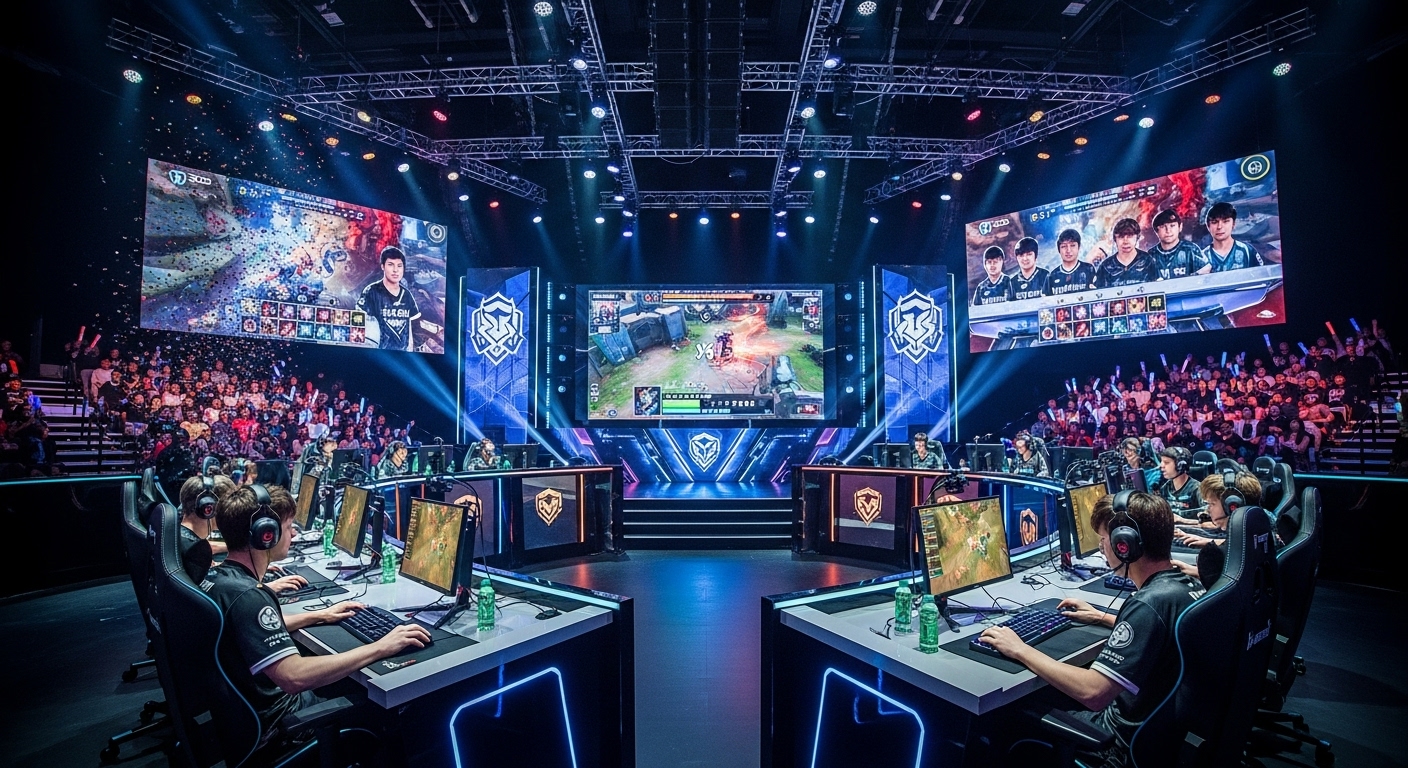
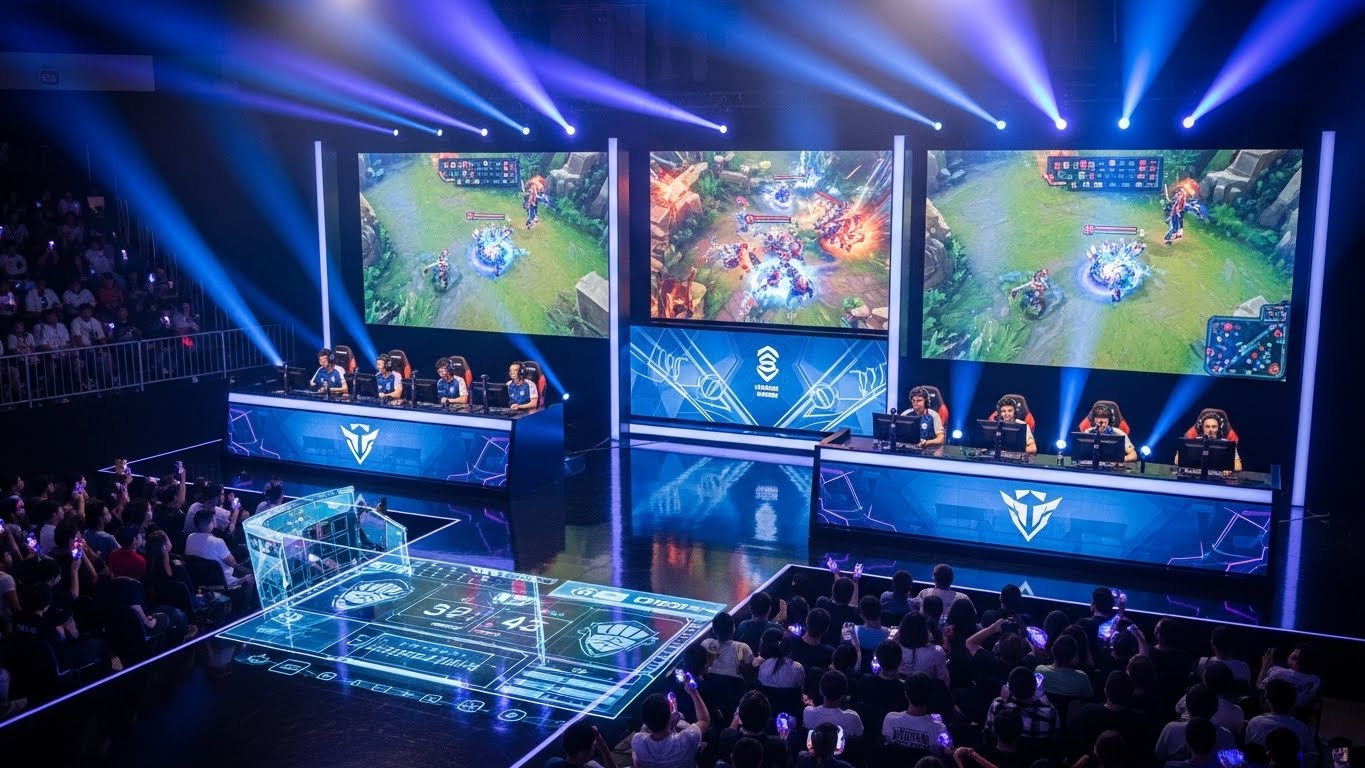
Franchised leagues have emerged, similar to established sports structures. Teams sign players to contracts, employ coaches and analysts, and operate training facilities. Investors are drawn to the industry’s explosive growth and loyal fanbase. Esports arenas are now being built in major cities, hosting events with thousands of attendees and millions of online viewers.
Popular Esports Titles Driving the Industry
A wide range of games plays a central role in the esports ecosystem. Multiplayer online battle arena titles, tactical shooters, and sports simulations attract the most attention. Different genres appeal to different audiences, making the esports landscape diverse and inclusive. Each title has its own competitive format, rules, and culture. Some emphasize strategic depth, while others highlight mechanical skill and teamwork. This variety ensures that the esports community continues expanding and evolving.
Esports and Education: A New Pathway for Students
As esports gains legitimacy, schools and universities are beginning to embrace it. Many institutions now offer esports programs, scholarships, and dedicated facilities. Students learn not only about gameplay but also about game design, marketing, broadcasting, and event management. Esports creates opportunities for careers in coaching, content creation, analysis, and production. It empowers students to combine academic learning with a passion for gaming. This integration demonstrates how esports is shaping the future of education by opening doors for new professional pathways.
The Impact of Esports on Technology and Innovation
Esports drives innovation in hardware, software, and online infrastructure. Companies develop specialized gaming equipment, high-speed internet solutions, and performance-enhancing accessories. Advancements in graphics, streaming technology, and artificial intelligence are accelerated by competitive gaming demands. Virtual reality and augmented reality are also being explored as potential additions to the esports experience. These innovations benefit not only gamers but also broader industries, highlighting the important role esports plays in technological progress.
Community, Culture, and Global Unity
Esports brings people together across borders, cultures, and languages. Players form friendships with teammates around the world, while fans unite to support their favorite teams. Online forums, chat communities, and social platforms create a shared space where everyone can connect through their love of gaming.
This global unity sets esports apart from many traditional sports. Matches are accessible worldwide, and international tournaments showcase talent from all regions. Cultural diversity enriches the esports scene, creating an environment where creativity, learning, and collaboration thrive. The sense of belonging within the esports community is one of its greatest strengths, driving continued growth.
Challenges Facing the Esports Industry
Despite its rapid rise, esports faces significant challenges. Player burnout is a serious concern due to intense training schedules and competitive pressure. The industry must establish better support systems to ensure long-term player health. There are also issues related to regulation, fair play, and the prevention of unethical behavior.
Financial stability for smaller teams and lesser-known titles is another hurdle. While top games attract massive attention, smaller competitive scenes struggle to remain sustainable. The industry must balance commercial growth with the development of grassroots communities to maintain a healthy ecosystem.
The Future of Esports: A New Frontier of Entertainment
Looking ahead, esports shows no signs of slowing down. With advances in technology, increasing mainstream acceptance, and continued investment from global companies, the industry is poised for even greater expansion. New games will emerge, tournaments will grow larger, and fan engagement will become more immersive. Esports may eventually become a standard part of global sporting events, with increased integration into traditional broadcast networks and entertainment platforms.
Virtual reality competitions, interactive fan experiences, and advanced analytical tools could transform how players train and how fans watch. Esports will likely continue influencing technology, education, and global culture in profound ways.
Conclusion: The Power of the Digital Arena
Esports represents far more than competitive gaming. It embodies creativity, community, innovation, and the limitless potential of digital entertainment. What began as casual fun has become a structured, respected, and rapidly expanding industry that shapes modern culture. Esports demonstrates that passion, skill, and dedication can thrive in digital spaces just as powerfully as on physical fields. As it continues to grow, esports will remain a powerful force that connects people around the world and inspires a new generation of competitors and creators.