Introduction
Esports, short for electronic sports, has transformed from a niche pastime into a global entertainment powerhouse. What was once simply a group of passionate gamers gathering to play competitive matches has evolved into a billion-dollar industry with professional athletes, massive arenas, global sponsorships, and millions of viewers tuning in from every continent. Today, esports represents more than playing video games competitively; it reflects a shift in how our culture values digital talent, community, technology, and entertainment. This blog explores the rise, influence, opportunities, and future of esports, bringing to light why it deserves a respected place alongside traditional sports.
The Evolution of Competitive Gaming
The roots of esports stretch back farther than many people realize. Early tournaments in the late twentieth century were small gatherings, often held in arcades or college computer labs. These events were grassroots, informal, and rarely documented. As home computers and consoles gained popularity, competitive gaming slowly began to find its footing.
The true explosion, however, came with the rise of high-speed internet, online multiplayer games, and streaming platforms. These innovations allowed players from around the world to compete without leaving their homes, and spectators suddenly had virtual front-row seats to matches happening thousands of miles away. What began as small amateur competitions evolved into polished professional leagues with official rules, trained athletes, and major media coverage.
Why Esports Matters in Today’s Digital Era
Esports reflects the values of an increasingly digital society. Traditional sports reward physical skill, teamwork, discipline, and strategy. Esports prizes those same qualities, but in a way that resonates with a generation raised on technology. It demonstrates that talent can be mental as well as physical and that digital interaction can be just as meaningful as in-person engagement.
Moreover, esports has become a cultural bridge. It unites people across borders and languages, connecting fans from different backgrounds through shared excitement and passion. In a world that often feels divided, the universal appeal of competitive gaming brings people together in ways few activities can.
Professional Players and the Rise of the Digital Athlete
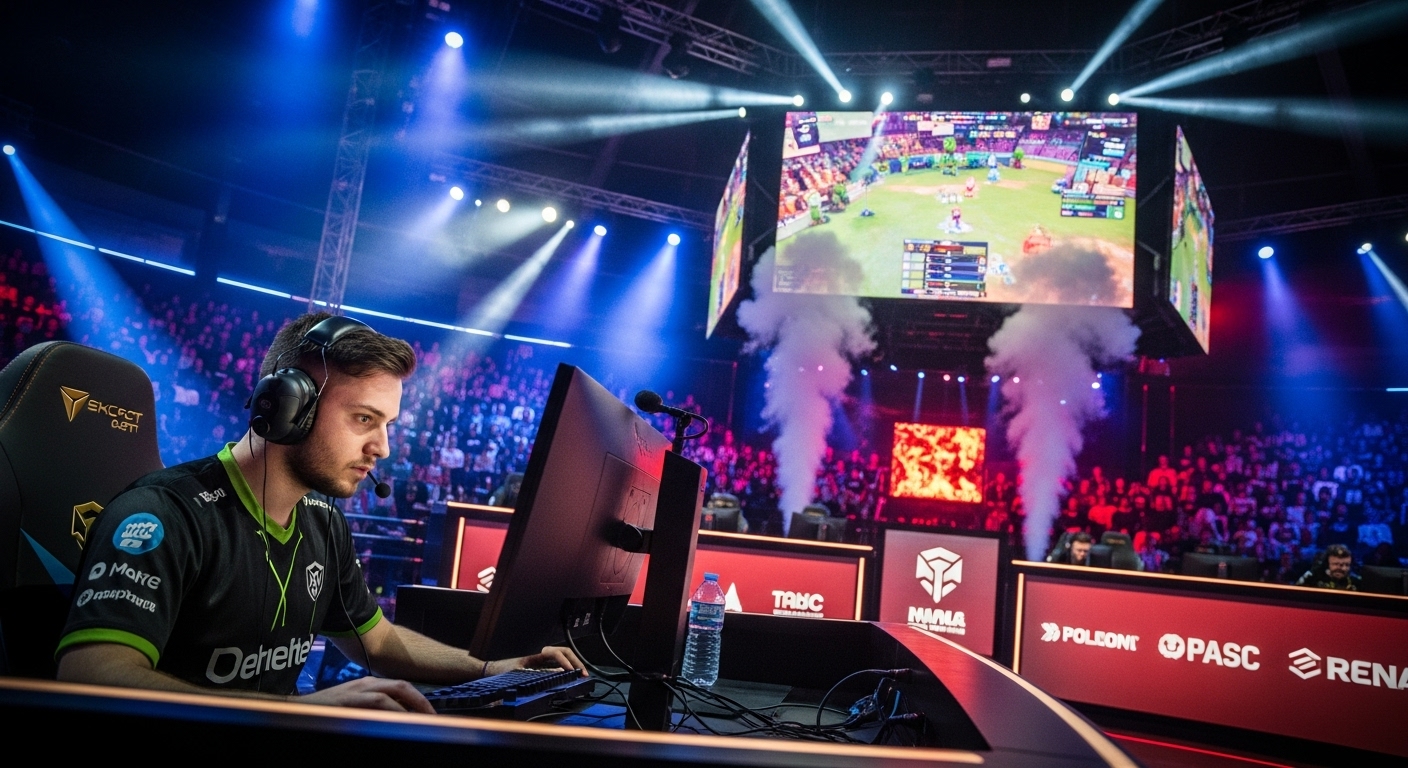
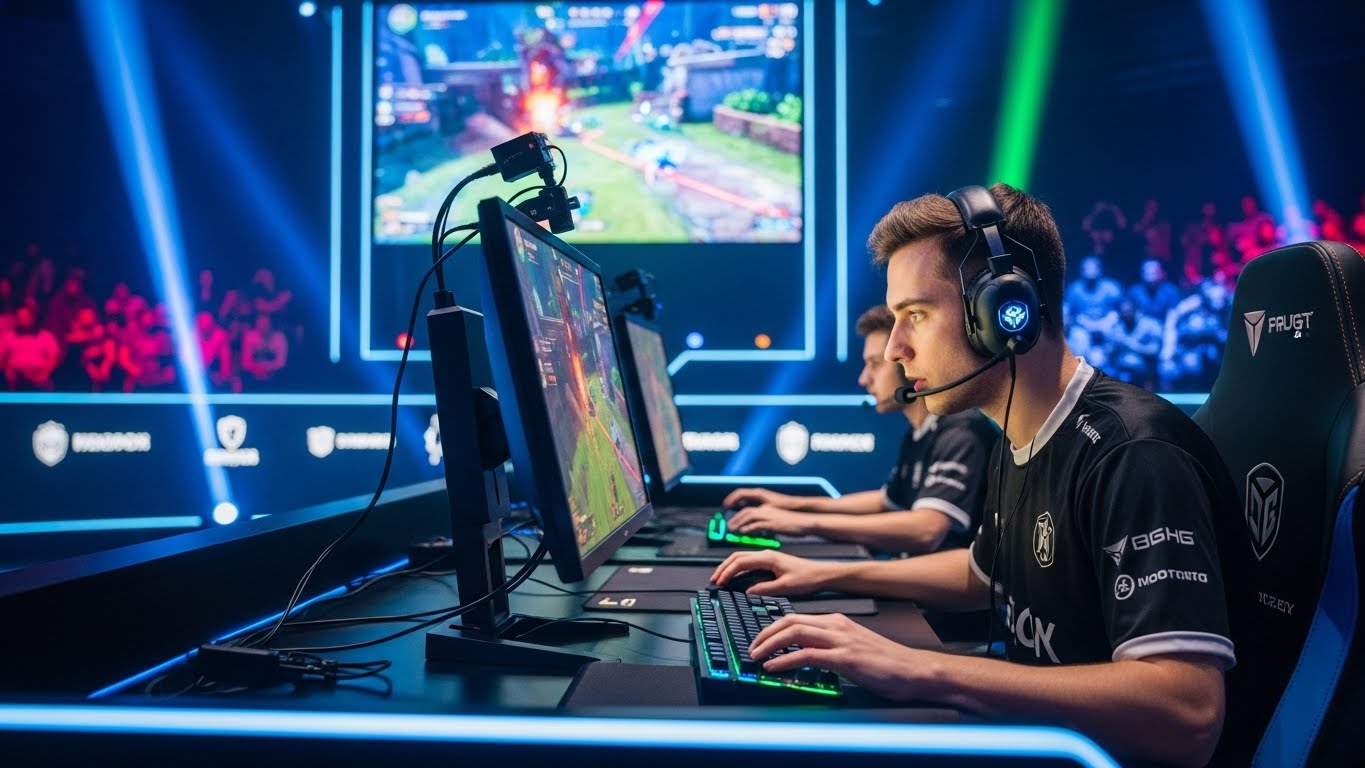
Today’s esports professionals do far more than play games. They train for hours, often following strict schedules similar to those seen in physical sports. Their routines involve not only practice matches but also teamwork drills, strategy sessions, mental conditioning, and physical exercise to maintain focus and stamina.
The term digital athlete has become widely accepted because these players demonstrate extraordinary precision, reflexes, and decision-making skills. High-level gameplay requires the ability to process immense amounts of information within milliseconds. Mental endurance is essential, and the pressure of performing before millions of viewers is enormous.
Teams now have coaches, analysts, nutritionists, and fitness specialists. Esports organizations invest in facilities designed to optimize training, complete with dedicated practice rooms, high-end hardware, and spaces for team meetings. This level of professionalism mirrors established sports like football or basketball, showing how seriously the industry takes talent development.
Esports Arenas and Fan Experience
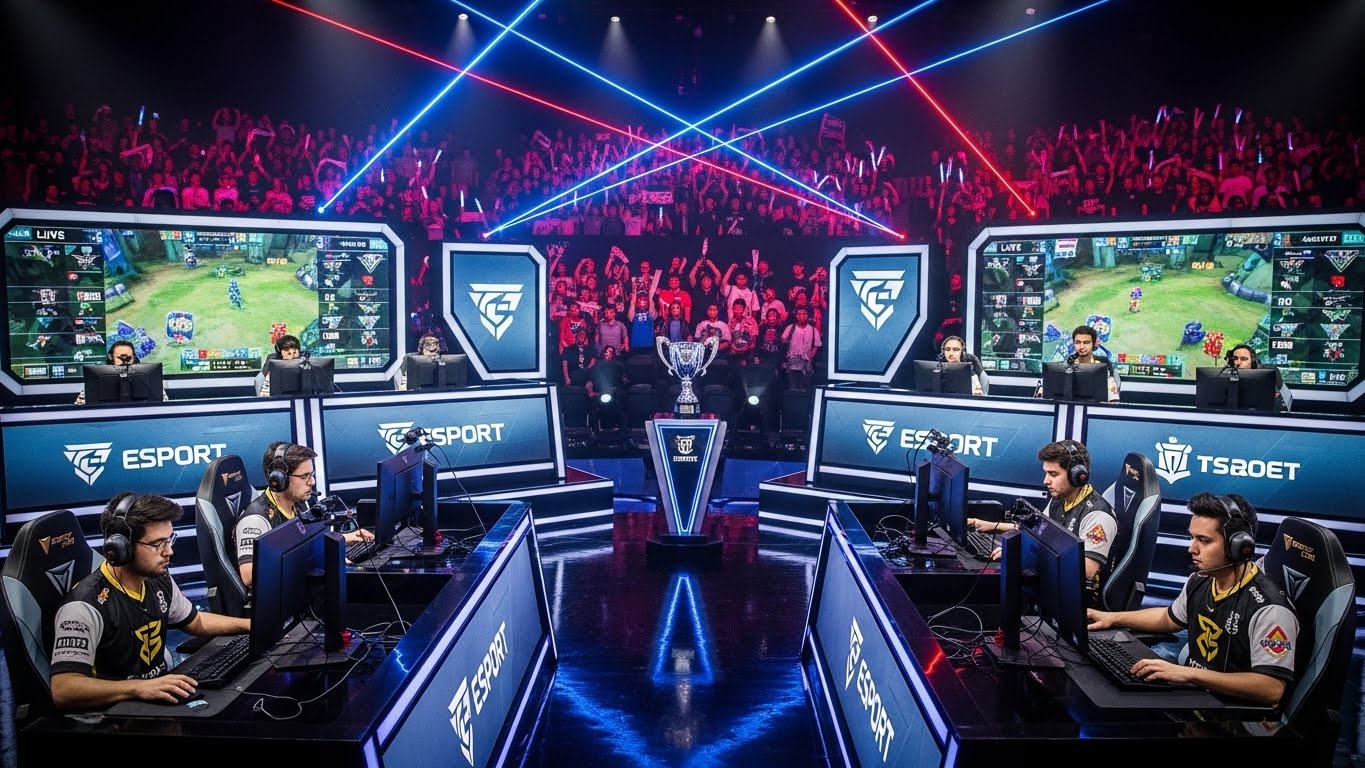
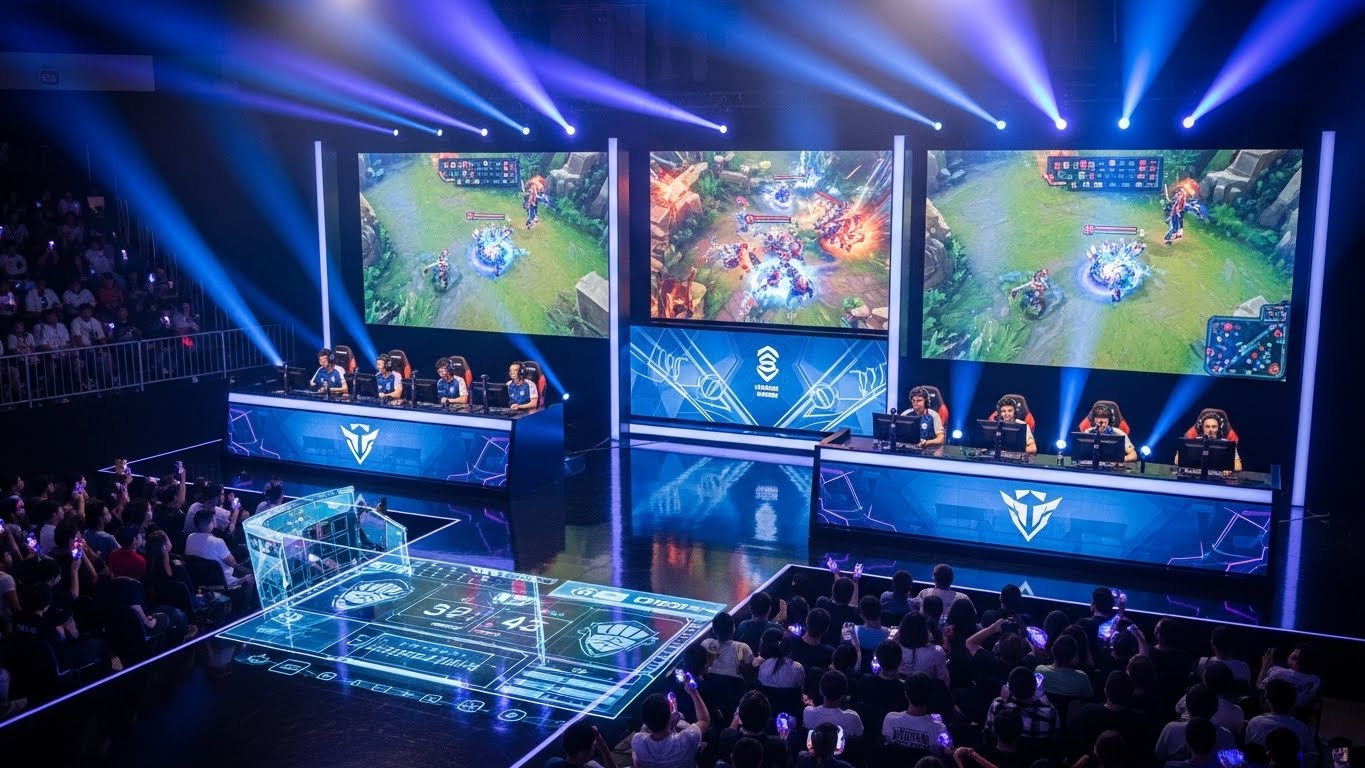
One of the most striking signs of esports’ growth is the rise of dedicated arenas and massive live events. Stadiums that once hosted concerts and traditional sports now fill with fans cheering for their favorite teams and players. The energy inside these venues is electric, with dramatic lighting, commentary echoing through the stands, and crowds reacting passionately to every play.
Live esports events create an immersive experience that blends digital excitement with real-world enthusiasm. Fans wave team banners, wear jerseys, and engage in chants just like they would at a soccer or basketball game. Many describe the atmosphere as even more intense because the action moves so quickly and every second counts.
Streaming Platforms and the Power of Community
Streaming platforms have been essential to esports’ rise. They allow millions of viewers to watch matches in real time, follow their favorite players, and engage in chat communities. This interactivity is a key difference between esports and traditional sports broadcasts. Fans can communicate directly with players, participate in live discussions, and feel like active contributors to the experience.
Content creators, many of whom are professional players or former competitors, further strengthen the community. They offer behind-the-scenes insights, personal stories, and live gameplay sessions that help fans feel connected to the industry. This sense of closeness builds loyalty and keeps audiences engaged far beyond official tournaments.
The Business Behind Esports
The esports industry has grown rapidly thanks to investments from tech companies, media organizations, and even traditional sports franchises. Revenue streams include sponsorships, advertising, merchandise, media rights, and ticket sales. Brands recognize the value of reaching younger audiences who may not engage with traditional forms of entertainment but spend hours watching digital content.
Game developers also play a significant role. Titles designed with competitive play in mind often receive continuous updates, balancing, and event support to keep the professional scene active and exciting. Major companies invest heavily in tournament infrastructure, prize pools, and global leagues, ensuring the ecosystem remains sustainable.
Opportunities for Career Growth in Esports
Esports is far more than just playing games professionally. The industry has created countless opportunities for people with diverse skill sets. Beyond players and coaches, esports careers include event managers, broadcast producers, commentators, analysts, graphic designers, marketers, and community managers.
Educational institutions have taken notice as well. Many universities now offer esports scholarships and degree programs focused on game design, digital media, event production, and management. As the ecosystem expands, so does the demand for skilled professionals who understand the unique needs of the industry.
The Global Impact of Esports
One of the most compelling aspects of esports is its global reach. Players from Asia, Europe, North America, South America, and Africa compete on equal footing. International tournaments bring together diverse cultures, and players often learn to communicate across language barriers to collaborate effectively.
Some countries have embraced esports as a national movement, providing government support, training facilities, and development programs. In some regions, professional players are celebrated just like traditional athletes, drawing major attention from both media and fans.
Challenging Misconceptions About Esports
Despite its growth, esports still faces misconceptions. Some people believe competitive gaming lacks physical value or fails to match the intensity of traditional sports. While esports may not require running laps or lifting weights, the mental and motor skill demands are extraordinary. Players must maintain focus for hours, endure immense stress, and perform with pinpoint accuracy.
Another misconception is that gaming fosters isolation. In reality, esports is highly social. Players work in teams, communicate constantly, and build strong connections with other competitors. Fans also form vibrant communities that extend beyond the digital world.
Health, Wellness, and the Future of Player Support
As esports becomes more professional, focus on player wellness has increased significantly. Organizations recognize the need to support athletes’ mental and physical health to ensure long careers and peak performance. Many teams now incorporate fitness programs, ergonomic setups, regular breaks, and mental health resources into their training schedules.
This holistic approach not only benefits the players but also sets a precedent for healthy gaming culture across the broader community.
How Esports Inspires the Next Generation
For many young people, esports represents a new form of aspiration. It shows that passion, dedication, and digital skill can lead to meaningful careers. This inspiration is particularly important in a world where technology is central to daily life. Esports encourages teamwork, strategic thinking, problem-solving, and creativity. These skills are valuable both inside and outside competitive gaming.
The Future of Esports
The future of esports is bright and continuously evolving. New technologies such as virtual reality, augmented reality, and advanced artificial intelligence will shape how games are played and watched. Spectator experiences will become more interactive, and training methods more sophisticated.
Esports may also continue to blend with traditional sports. Many teams already collaborate with athletic franchises, and hybrid competitions could become more common. As the lines between digital and physical experiences blur, esports will likely become even more mainstream and influential.
Conclusion
Esports is far more than entertainment. It is a cultural revolution that reflects how modern society engages with technology, competition, and community. The industry’s growth shows no sign of slowing, and its impact is felt globally. Esports champions digital skill, inclusivity, creativity, and connection, making it a defining force in today’s world. As the landscape continues to evolve, it is clear that esports will remain a central part of the future of competition, offering endless opportunities for players, fans, and innovators alike.