Esports, or electronic sports, has become one of the fastest-growing entertainment industries in the world. What started as casual competitions between friends has evolved into a global phenomenon, with professional players, massive tournaments, and millions of viewers tuning in to watch their favorite games. The industry now rivals traditional sports in terms of excitement, viewership, and revenue, proving that digital competition is more than just a hobby—it is a cultural movement with far-reaching implications.
The Origins of Competitive Gaming
Competitive gaming has a surprisingly long history. Before online streaming platforms and professional leagues existed, players would gather in arcades or local clubs to compete in popular games. Titles like Pac-Man, Space Invaders, and Pong were some of the earliest games where competition mattered. Players would often compete for high scores or small prizes, and recognition within their communities was the primary reward.
With the development of home consoles and personal computers, multiplayer gaming became more accessible. This allowed players to connect with others beyond their immediate locality. As networks and internet connections improved, competitive gaming transitioned from small local gatherings to a global platform, laying the foundation for modern esports.
Landmark Games That Defined Esports
Several key titles were instrumental in shaping esports into the industry it is today. Real-time strategy games, first-person shooters, multiplayer online battle arenas, and sports simulations became the pillars of competitive gaming. Games like StarCraft, Counter-Strike, League of Legends, Dota 2, and Fortnite set high standards for competitive play.
These games were successful because they required both skill and strategy. Developers supported these games by organizing tournaments, offering prize money, and creating spectator-friendly environments. Online streaming allowed fans to follow professional players, analyze strategies, and engage in communities around their favorite games. The combination of competitive gameplay and accessibility helped establish esports as a legitimate form of global entertainment.
The Rise of Professional Esports Organizations
As competitive gaming evolved, professional esports organizations emerged. These organizations operate similarly to traditional sports teams, offering salaries, coaching, and structured training for players. Teams now have analysts, psychologists, nutritionists, and fitness trainers to ensure players perform at their best.
Professional players follow strict training schedules that include practicing game mechanics, strategizing with teammates, and studying competitors. This level of dedication demonstrates that esports is not merely a hobby; it requires discipline, teamwork, and mental resilience comparable to traditional sports.
The Spectator Experience in Esports
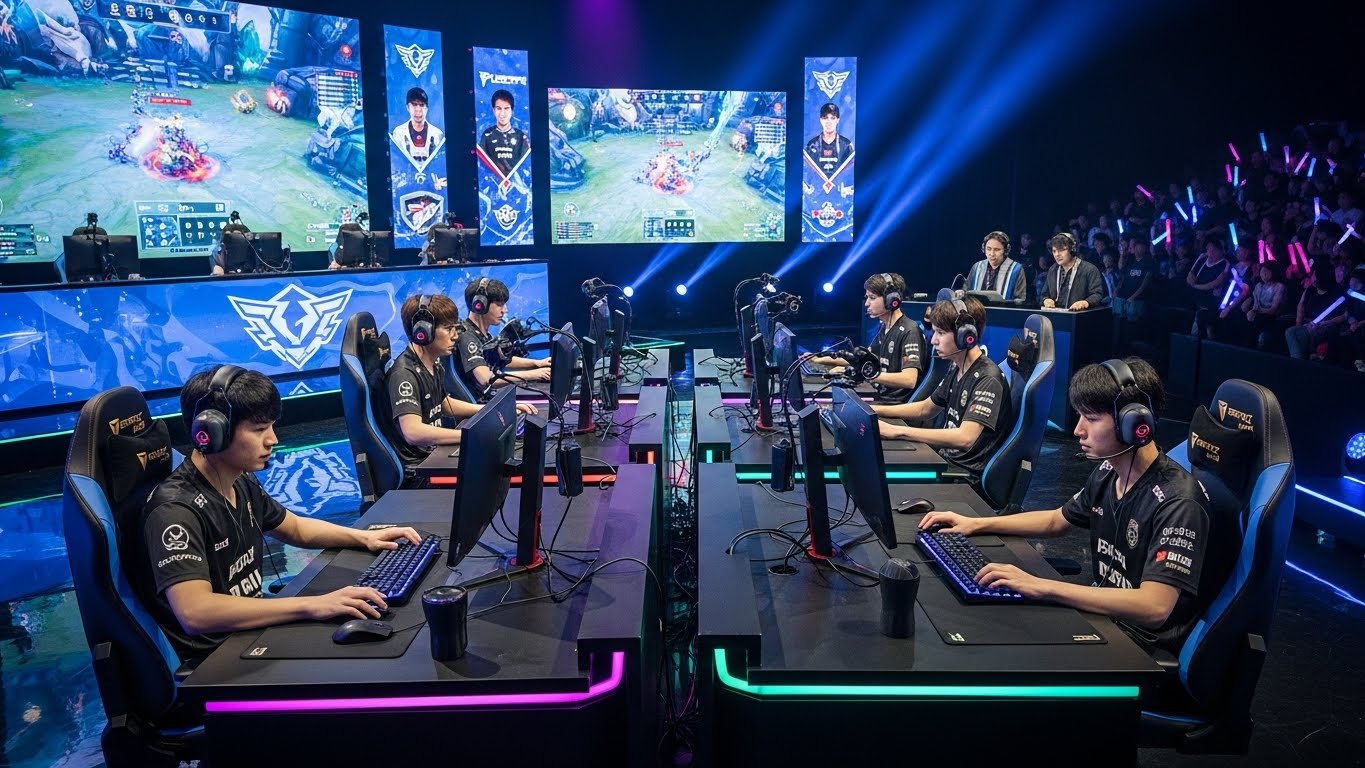
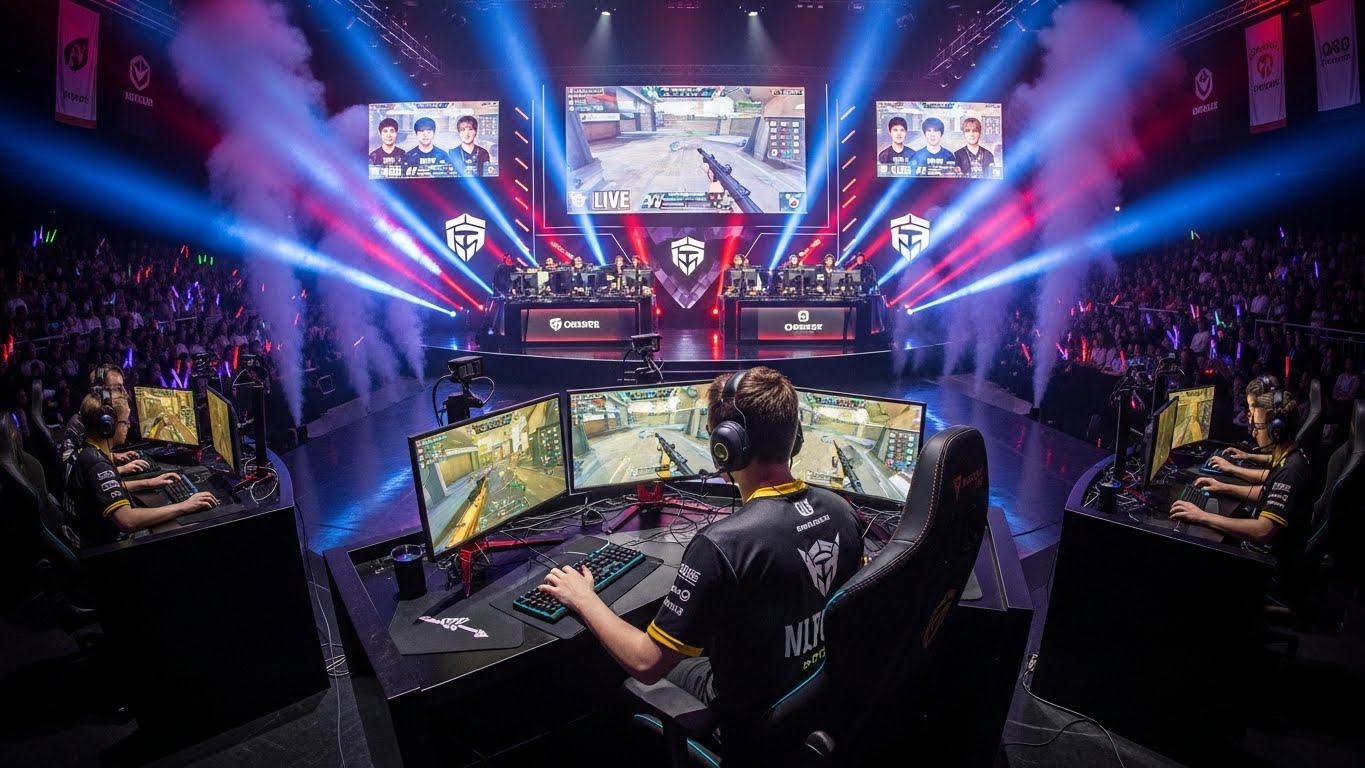
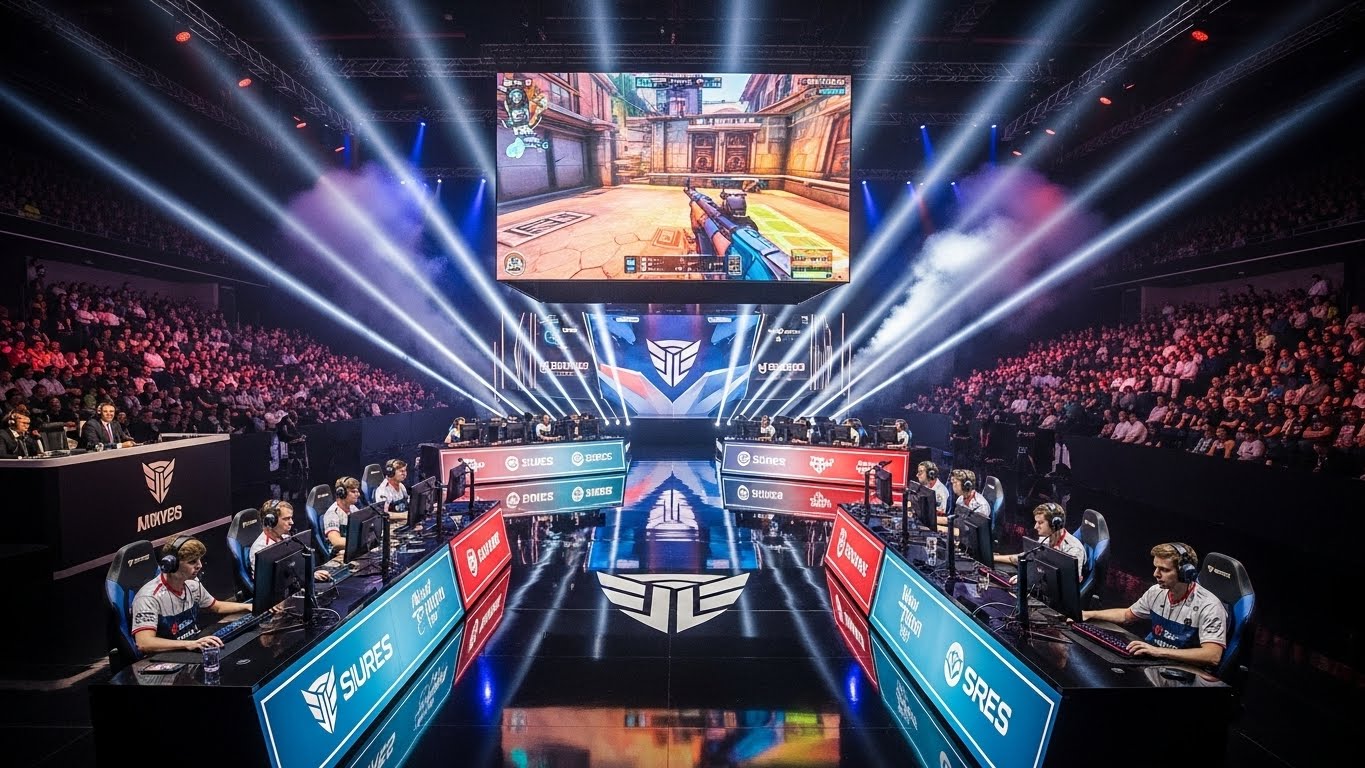
One of the defining features of esports is its spectator appeal. Fans can watch high-level gameplay online or in arenas filled with thousands of spectators. The excitement is similar to watching traditional sports, with commentators explaining strategies, players making dramatic plays, and audiences cheering for their favorite teams.
Esports events are designed for entertainment, with elaborate stage setups, music performances, and interactive elements for fans. The combination of live competition and immersive presentation creates a unique experience, blending the intensity of sports with the creativity of a digital platform.
Streaming Platforms and Influencer Culture
The rise of streaming platforms has revolutionized esports. Platforms dedicated to live gaming broadcasts allow players, commentators, and content creators to reach millions of viewers worldwide. This has led to the growth of esports influencers who shape the community and inspire fans.
Streaming allows fans to interact directly with their favorite players, ask questions, and watch behind-the-scenes content. This level of engagement creates a strong connection between players and audiences, making esports more accessible and inclusive. Influencers also play a crucial role in educating viewers and promoting games, further expanding the reach of esports globally.
Esports as a Career Path
A career in esports was once considered unrealistic. Today, it is a legitimate profession. Professional players earn salaries, sponsorships, and prize money. Beyond playing, opportunities exist in coaching, commentary, analysis, event management, and content creation.
Educational institutions have recognized esports as a viable career option. Universities now offer scholarships and degree programs focused on esports management, strategy, and performance. These programs provide students with the skills needed to succeed in various roles within the esports ecosystem, further cementing the legitimacy of gaming as a professional pursuit.
Technological Advancements Driving Esports
Esports has driven innovation in technology. High-performance gaming hardware, fast internet connections, and advanced streaming software are essential for competitive play. Companies continuously develop new technologies to enhance player performance and improve spectator experiences.
Virtual reality and augmented reality are beginning to influence esports, providing immersive experiences for both players and audiences. Mobile gaming has also expanded the reach of esports, allowing players to compete and viewers to engage from anywhere. The interplay between technology and competition ensures that esports continues to evolve rapidly.
Social and Cultural Impact of Esports
Esports has become a cultural phenomenon, influencing fashion, music, and lifestyle. Team jerseys, gaming accessories, and esports-inspired merchandise have created a unique identity for fans. The international nature of esports brings together people from diverse backgrounds, fostering communities that transcend geographic and cultural boundaries.
Esports also encourages discussions on inclusivity, representation, and mental health. Organizations and communities are increasingly focused on promoting positive behaviors, safe gaming environments, and support systems for players. These initiatives highlight esports not only as entertainment but also as a platform for social awareness and cultural exchange.
Challenges in the Esports Industry
Despite its growth, esports faces significant challenges. Player burnout and mental health issues are common due to long hours of training and intense competitive pressure. Organizations are developing wellness programs and balanced schedules to address these concerns.
The rapidly changing nature of games also presents a challenge. Unlike traditional sports with consistent rules, video games are constantly updated, requiring players and teams to adapt quickly. Financial stability is another concern, as esports organizations must balance sponsorships, event revenues, and operational costs. These challenges reflect the complexity and maturity of the industry.
The Future of Esports
The future of esports is promising. Advances in technology, including virtual reality, augmented reality, and improved streaming tools, will create more immersive experiences. Traditional sports organizations are increasingly investing in esports, signaling potential collaboration between physical and digital competitions.
Youth interest in esports continues to grow, with schools and universities incorporating competitive gaming into educational programs. This trend ensures a new generation of players and fans, maintaining the growth and relevance of esports worldwide. Esports is likely to become a mainstream form of entertainment, education, and social interaction in the coming decades.
Conclusion: Esports as a Modern Cultural Movement
Esports has evolved from a niche hobby into a global industry that combines competition, entertainment, and community. Professional players train rigorously, tournaments attract massive audiences, and technology continues to push the boundaries of gaming experiences.
More than just a pastime, esports represents a new form of athleticism, creativity, and social interaction. It connects people across continents, drives innovation, and provides career opportunities once unimaginable. As esports continues to grow, it will redefine the concept of competition and entertainment in the digital age, making it a central part of global culture.