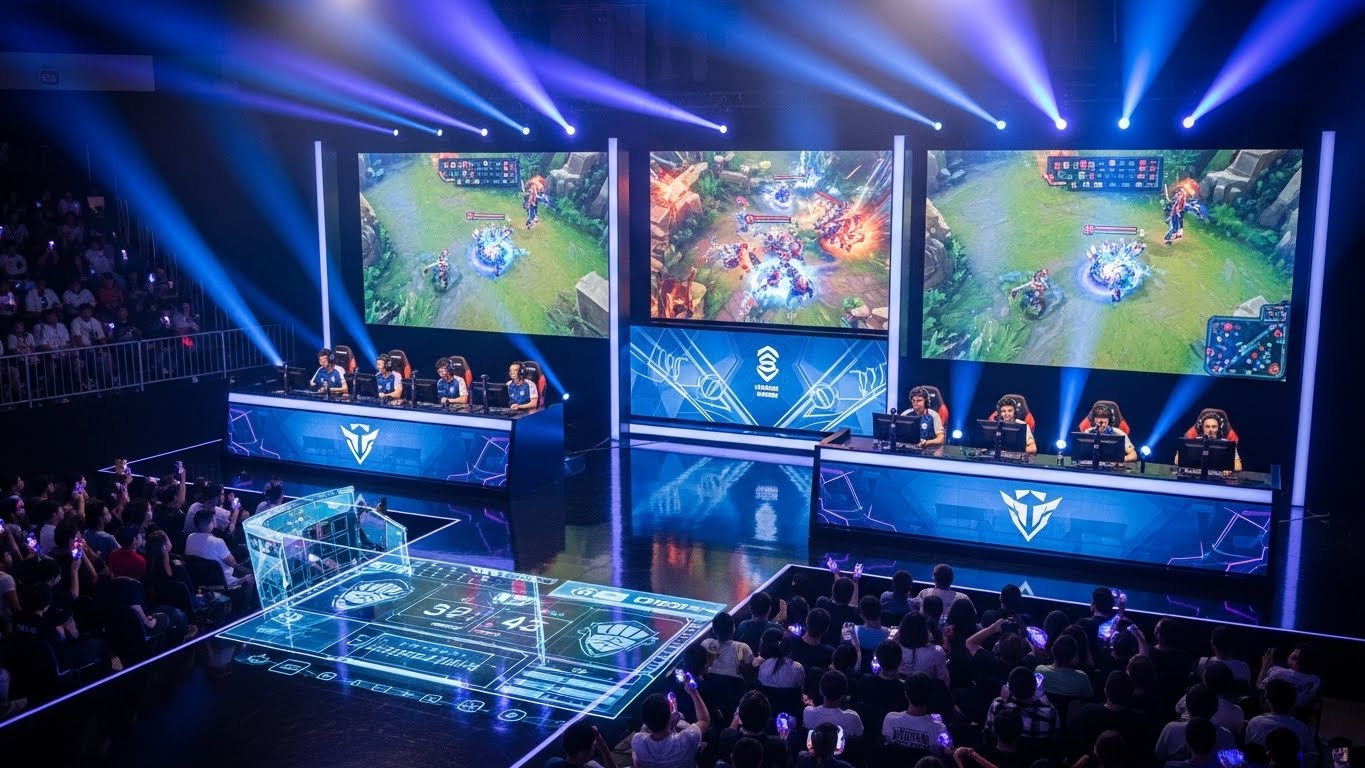
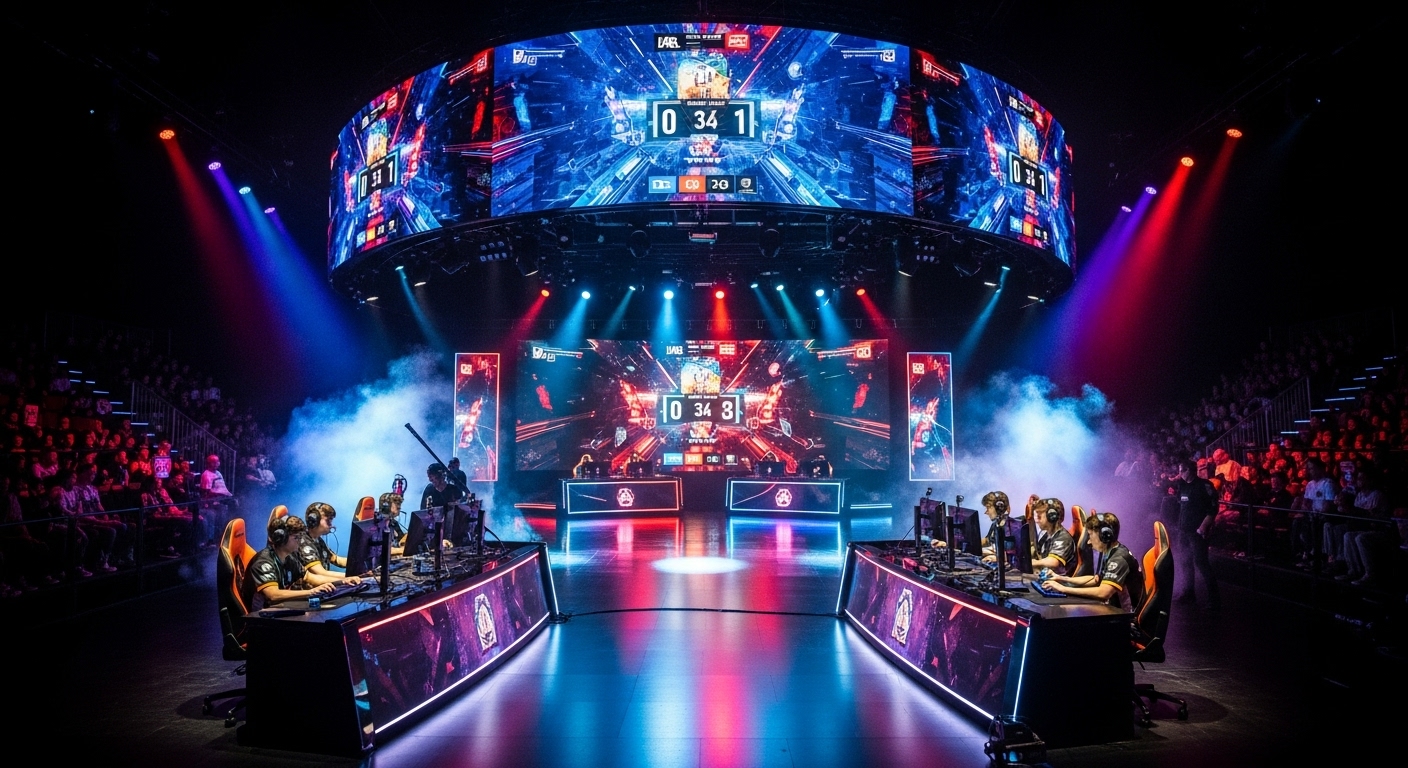
In the past decade, esports has undergone an incredible transformation. What once started as a niche activity for a small community of gamers has exploded into a global multi-billion-dollar industry. Today, esports spans across multiple continents, with professional players, massive tournaments, and millions of fans watching from all over the world. Esports has become more than just competitive gaming; it has grown into a cultural and entertainment phenomenon, attracting attention from mainstream media, major corporations, and even government officials. This blog post will delve into the rapid growth of esports, its current impact on the gaming and entertainment industries, and what the future holds for this exciting and evolving world.
The Origins of Esports: From Casual Competition to Professional Leagues
Esports, at its core, refers to organized multiplayer video game competitions, particularly between professional players, individually or as teams. But its origins go back much further than the large-scale tournaments and teams we know today.
The roots of competitive gaming can be traced back to the early 1990s, when games like Doom, Quake, and WarCraft allowed players to compete against each other in LAN (local area network) tournaments. These small-scale, often informal events were some of the earliest examples of what would eventually become modern esports. Back then, the prize pools were minimal, and participation was limited to local gatherings of gamers.
However, as internet connectivity improved and online multiplayer games became more common, the potential for global competition began to emerge. Titles like StarCraft, Counter-Strike, and League of Legends introduced the idea of large-scale, professional competitions with dedicated tournaments, sponsorships, and a growing online fanbase.
The first true professional esports leagues began forming in the early 2000s, with events like the World Cyber Games and Electronic Sports World Cup attracting global attention. While these events were still somewhat niche, they paved the way for the massive growth of the esports ecosystem that would follow.
The Rise of Streaming: Making Esports Accessible to Everyone
One of the most significant factors driving the rise of esports is the advent of live streaming platforms. As the internet became faster and more reliable, gamers and fans found new ways to watch and participate in esports competitions from the comfort of their own homes.
Twitch, launched in 2011, revolutionized the esports landscape. By offering a platform where players could broadcast their gameplay live, Twitch allowed fans to watch competitive games in real time, interact with their favorite streamers, and even engage in community discussions. The rise of streaming created a unique ecosystem that connected players, teams, and fans on a global scale.
The accessibility of streaming has made esports a more inclusive activity, allowing fans from different countries and backgrounds to watch, follow, and engage with esports events. Major tournaments, such as The International for Dota 2 and League of Legends World Championships, are broadcast live on Twitch, YouTube, and other platforms, attracting millions of viewers worldwide. In fact, some of these events now draw more viewers than traditional sports finals, showcasing how powerful and global the appeal of esports has become.
Streaming also gave birth to the rise of esports personalities and influencers. Professional gamers, often called “pro gamers,” began gaining massive followings through their gameplay streams, where they could showcase their skills, communicate with fans, and build brand partnerships. These influencers became the faces of esports, driving more people to watch competitive gaming and fueling the growth of the entire industry.
The Professionalization of Esports: Teams, Tournaments, and Sponsors
As the popularity of esports grew, so too did its professionalization. With the growth of online platforms and increased media attention, esports transitioned from informal tournaments to fully organized leagues with dedicated teams, coaches, and analysts.
Major gaming companies, such as Riot Games and Blizzard Entertainment, played a significant role in this shift by creating professional leagues for their games. For instance, League of Legends introduced the League of Legends Championship Series (LCS) in 2013, a competitive league where top-tier teams from North America and Europe compete for large prize pools. Similarly, Blizzard’s Overwatch League, launched in 2018, brought together teams from all over the world to compete in a city-based league format, similar to traditional sports leagues like the NBA.
The professionalization of esports also meant the development of player salaries, sponsorship deals, and team management. Esports organizations, such as Cloud9, Team Liquid, and FaZe Clan, began signing top-tier players to contracts and creating brand identities for their teams. This shift brought with it the need for coaches, analysts, and strategists to improve team performance. Esports organizations began offering training facilities, player development programs, and media coaching to ensure their teams had everything needed to succeed on the world stage.
The financial growth of esports also attracted sponsorships from major companies outside the gaming industry. Brands like Coca-Cola, Intel, Red Bull, and Mercedes-Benz began investing in esports teams, tournaments, and events, providing the financial resources necessary to expand and elevate the industry. Today, esports sponsorship deals are worth millions, and companies recognize the immense marketing potential in reaching esports’ younger, tech-savvy demographic.
Esports as a Global Industry: Regional Growth and Cultural Impact
Esports has quickly become a global industry, with fans and players hailing from every corner of the world. While esports has been particularly popular in Asia, especially in South Korea and China, its influence is spreading across Europe, North America, and even regions like Latin America and the Middle East.
The Power of Asia in Esports
In Asia, esports has been embraced as a legitimate form of entertainment and a key part of the gaming culture. South Korea, in particular, is often considered the birthplace of modern esports. The country has invested heavily in esports infrastructure, including dedicated gaming stadiums and national leagues. Games like StarCraft and League of Legends have become national pastimes, and South Korean players are among the best in the world. The nation’s early embrace of esports helped shape the professionalization of competitive gaming, and South Korea continues to produce top-tier talent across multiple games.
China, another esports powerhouse, has also played a pivotal role in the growth of competitive gaming. With a huge population of gamers and strong support from companies like Tencent (the owner of League of Legends), China has become a central hub for esports. Chinese players and teams have dominated numerous international competitions, and the country continues to host some of the largest esports events in the world.
Western Esports Expansion
While Asia was the early leader, esports in the West is now flourishing. North America and Europe are home to a growing number of esports organizations, tournaments, and passionate fan bases. In North America, major organizations like Cloud9, Team SoloMid, and 100 Thieves have established themselves as dominant forces in games like League of Legends, Valorant, and Fortnite. These teams, along with leagues like the Call of Duty League and Overwatch League, have brought esports into the mainstream of American entertainment.
Similarly, Europe has cultivated a rich esports scene, with teams like G2 Esports, Fnatic, and Team Vitality leading the charge in games like Counter-Strike: Global Offensive and Rainbow Six Siege. The region hosts major tournaments and events, and esports fans across Europe are incredibly dedicated to their favorite teams and players.
The Economic Impact of Esports: Sponsorships, Media Rights, and Merchandise
Esports is no longer just a hobby; it’s a billion-dollar industry. Revenue is generated through a combination of sponsorships, media rights, merchandise sales, and ticket sales for live events. Major tournaments offer massive prize pools, with some, like The International, offering over $40 million in prizes.
Sponsorships and Media Rights
Sponsorship deals have become one of the most significant sources of revenue for esports organizations and tournaments. Companies from a wide range of industries, including tech, consumer goods, and automotive, are keen to associate their brands with esports due to the large, engaged audience it offers. In addition to traditional sponsors, esports has seen a surge in media rights deals, with platforms like Twitch, YouTube, and Facebook streaming tournaments. These platforms have paid substantial sums for the rights to broadcast major competitions, further validating esports as a legitimate form of entertainment.
Merchandise and Fan Engagement
Esports teams and organizations have capitalized on their loyal fan bases by offering a variety of merchandise, such as jerseys, hats, and other team apparel. Fans of esports teams are highly engaged and often wear their team’s merchandise as a form of identity. Merchandise sales have become a critical revenue stream for organizations, while also helping to solidify the connection between teams and their fans.
The Future of Esports: Growth, Innovation, and Mainstream Recognition
As esports continues to grow, the future holds exciting possibilities. The rise of new technologies, such as virtual reality (VR) and augmented reality (AR), has the potential to enhance the esports viewing experience, making it more immersive than ever before. New titles and genres will continue to emerge, adding diversity to the competitive gaming scene.
One of the most talked-about possibilities for the future of esports is its inclusion in the Olympic Games. The International Olympic Committee (IOC) has expressed interest in exploring the potential for esports to become a part of the Olympic program. While there are still many hurdles to overcome, the idea of esports being recognized alongside traditional sports is a testament to its growing cultural and global significance.
Conclusion: Esports is Here to Stay
Esports has evolved from a niche hobby to a cultural and economic force, with millions of fans, professional players, and organizations dedicated to the craft of competitive gaming. The industry is thriving, with sponsorships, media rights, and merchandise sales contributing to its enormous financial success.