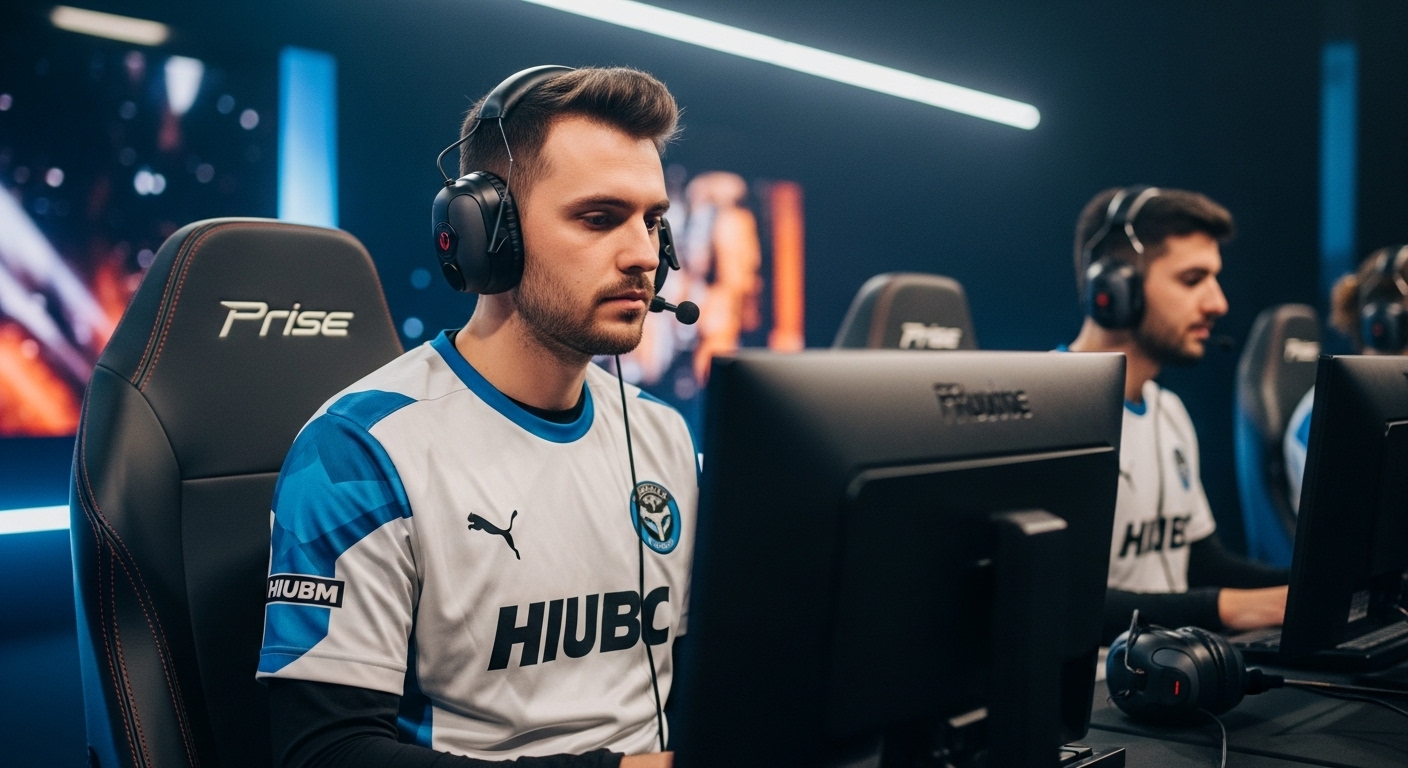
In the last two decades, Esports has transformed from a niche hobby into a global phenomenon, capturing the attention of millions of fans worldwide. Once considered merely a pastime for enthusiastic gamers, competitive gaming has evolved into a highly professionalized industry with sponsorships, tournaments, and lucrative careers. From small local competitions to stadium-filling global events, Esports has not only redefined entertainment but also challenged traditional notions of sports and competition.
Understanding Esports
Esports, short for electronic sports, refers to organized competitive gaming where individuals or teams compete in video games at both amateur and professional levels. Unlike casual gaming, Esports emphasizes strategy, skill, teamwork, and mental fortitude. It spans multiple genres, including multiplayer online battle arenas (MOBAs), first-person shooters (FPS), fighting games, sports simulations, and real-time strategy (RTS) games. Each genre brings a unique set of challenges, mechanics, and fan bases, contributing to the rich diversity within the Esports ecosystem.
The rapid rise of streaming platforms such as Twitch, YouTube Gaming, and others has played a pivotal role in Esports’ popularity. These platforms enable fans to watch live competitions, interact with players, and experience the thrill of tournaments from the comfort of their homes. Streaming has also provided aspiring gamers with opportunities to showcase their talent, gain recognition, and even earn a living through content creation.
Historical Background of Esports
Esports has roots stretching back to the 1970s and 1980s when arcade gaming and early console competitions started gaining popularity. The first known video game competition took place in 1972 at Stanford University for the game “Spacewar,” with a modest prize of a subscription to a magazine. Over the years, competitive gaming grew steadily, with arcade tournaments for games like “Pac-Man” and “Street Fighter” attracting enthusiastic crowds.
The 1990s marked a major turning point with the rise of PC gaming and the internet. Multiplayer games such as “Quake” and “StarCraft” allowed players to compete online, connecting gamers across cities and continents. South Korea emerged as a hub for competitive gaming during this period, with professional leagues for “StarCraft” drawing massive television audiences. This era laid the foundation for Esports as a serious, professional pursuit.
The Modern Era of Esports
Today, Esports is a multimillion-dollar industry. Games like “League of Legends,” “Dota 2,” “Counter-Strike: Global Offensive,” and “Fortnite” dominate the competitive scene. These games host tournaments with prize pools ranging from tens of thousands to millions of dollars. The “Dota 2” International Championship, for instance, has had prize pools exceeding $40 million, showcasing the immense scale and financial stakes of modern Esports.
Professional Esports players undergo rigorous training, akin to traditional athletes. They spend hours perfecting their mechanics, strategies, and teamwork, often under the guidance of coaches and analysts. Teams maintain strict schedules, engage in boot camps, and participate in domestic and international leagues. The lifestyle is demanding but rewarding, with top players earning substantial salaries, sponsorship deals, and global recognition.
Popular Esports Genres
Multiplayer Online Battle Arena (MOBA)
MOBAs like “League of Legends” and “Dota 2” emphasize team coordination, strategy, and individual skill. Players assume specific roles, such as tank, support, or damage dealer, and work together to destroy the enemy’s base. The complexity of MOBAs, coupled with fast-paced decision-making, makes them a fan favorite and a staple of Esports competitions.
First-Person Shooters (FPS)
FPS games such as “Counter-Strike: Global Offensive,” “Call of Duty,” and “Valorant” focus on precision, reflexes, and map control. Players navigate arenas, engage in tactical combat, and aim for objectives like planting bombs or capturing points. FPS tournaments are renowned for their intensity, requiring both mental agility and mechanical skill.
Fighting Games
Fighting games, including “Street Fighter,” “Tekken,” and “Super Smash Bros.,” highlight one-on-one combat. Success in these games depends on timing, combos, and reading opponents’ movements. Fighting game tournaments foster a vibrant community culture, with passionate fans cheering on their favorite competitors.
Sports Simulations
Games such as “FIFA,” “NBA 2K,” and “Madden NFL” simulate real-world sports, blending virtual gameplay with traditional sports strategies. Competitive leagues in these games attract both sports enthusiasts and gamers, creating crossover appeal.
Real-Time Strategy (RTS)
RTS games like “StarCraft” and “Age of Empires” test players’ ability to manage resources, control units, and execute long-term strategies under pressure. RTS competitions emphasize strategic thinking, multitasking, and adaptability, challenging players in unique ways.
The Economics of Esports
Esports has grown into a lucrative industry with revenue streams from multiple sources. Sponsorships from brands such as Intel, Red Bull, and Nike provide financial backing for teams and tournaments. Advertising, merchandising, and media rights further bolster revenue. Streaming platforms contribute through subscriptions, donations, and ad revenue, while tournament organizers generate income from ticket sales and partnerships.
Investors are increasingly recognizing Esports as a profitable venture. Esports organizations, similar to traditional sports franchises, manage multiple teams across games, secure sponsorship deals, and develop talent pipelines. The industry’s economic impact extends beyond gaming, influencing technology, entertainment, and lifestyle sectors.
Esports as a Career
Competitive gaming offers diverse career opportunities beyond being a professional player. Coaches, analysts, broadcasters, content creators, event managers, and marketers all play vital roles in the Esports ecosystem. Educational institutions have even introduced Esports programs, scholarships, and training facilities, legitimizing gaming as a viable career path.
For professional players, success requires discipline, resilience, and continuous learning. Unlike traditional sports, Esports careers can be relatively short due to intense competition and evolving game metas. Players often transition into coaching, streaming, or content creation after retiring from active competition.
Global Esports Communities
Esports fosters a strong sense of community among players and fans. Online forums, social media, and streaming platforms enable fans to connect, discuss strategies, and celebrate achievements. Gaming conventions and live tournaments provide opportunities for social interaction, networking, and fan engagement.
Different regions have unique Esports cultures. South Korea is known for its structured leagues and television coverage, while North America emphasizes entertainment, production value, and celebrity player culture. Europe has a competitive grassroots scene, with strong representation in FPS and MOBA games. These diverse communities contribute to Esports’ global appeal and cultural significance.
Challenges and Controversies
Despite its growth, Esports faces challenges. Issues such as player burnout, mental health concerns, and intense competition are prevalent. The demanding lifestyle can lead to physical and psychological strain, prompting teams to prioritize wellness programs and professional support.
Cheating and match-fixing have occasionally marred the industry’s reputation. Developers and tournament organizers implement strict anti-cheat measures and regulatory frameworks to maintain fairness and integrity. Additionally, debates around gender inclusivity, pay disparity, and accessibility continue to shape the industry’s evolution.
The Future of Esports
The future of Esports looks promising, with emerging technologies and expanding audiences driving innovation. Virtual reality (VR) and augmented reality (AR) gaming may introduce new competitive formats, while advancements in AI and analytics enhance player performance and viewer experiences. Esports may also see further integration with traditional sports, education, and entertainment, solidifying its position as a mainstream cultural phenomenon.
With growing recognition, including discussions about Olympic inclusion, Esports is gradually shedding its image as “just gaming.” The industry is evolving into a professional, inclusive, and globally celebrated platform where skill, strategy, and passion define success.
Conclusion
Esports represents more than just gaming—it is a cultural revolution, a professional arena, and a global entertainment powerhouse. From humble beginnings in arcades to stadium-filling tournaments, the journey of Esports exemplifies how technology, community, and human ambition can intersect to create something extraordinary. As the industry continues to grow, it promises new opportunities, challenges, and experiences for players, fans, and investors alike. The rise of Esports is not just a story of games—it is a testament to the power of competition, innovation, and the enduring appeal of skillful play.