Introduction: A New Era of Entertainment and Competition
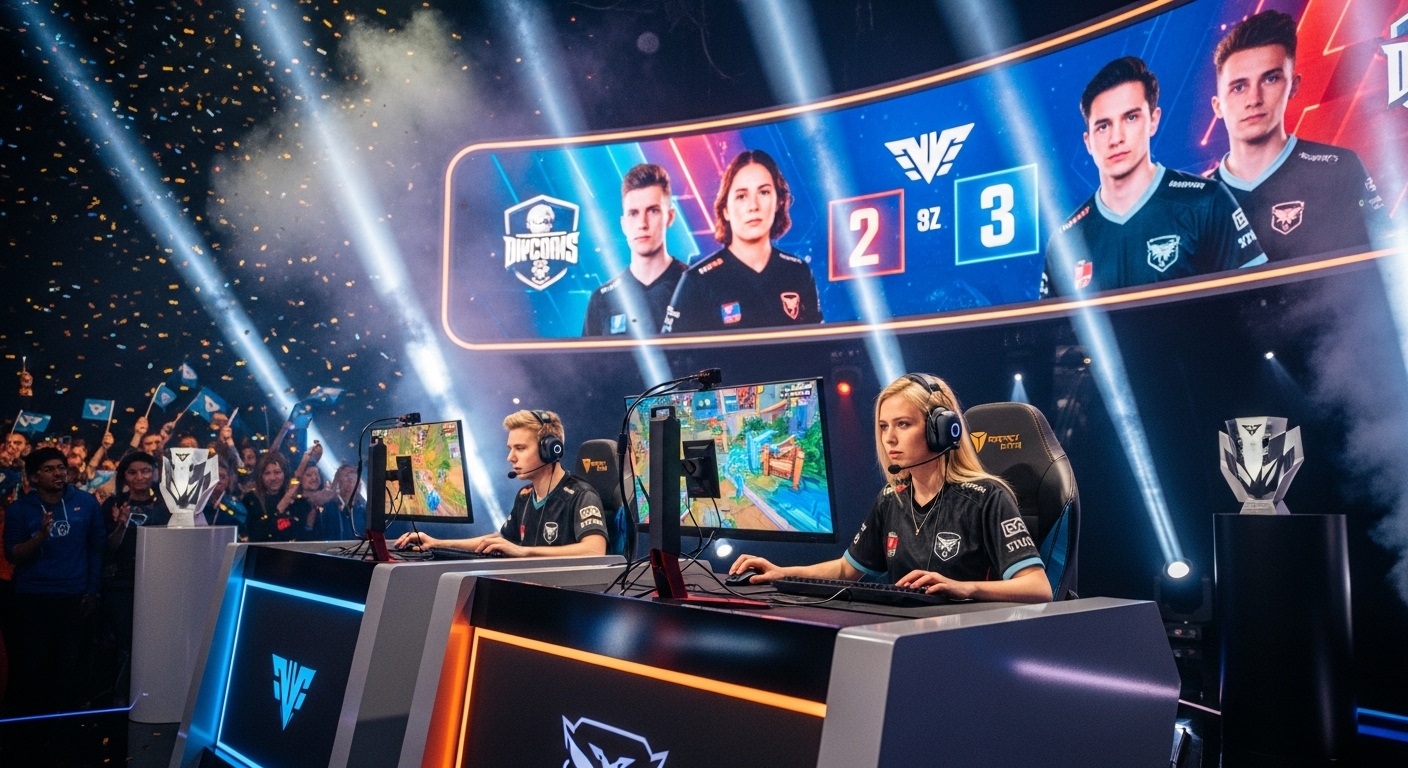
Esports, once a niche hobby, has now transformed into a global cultural and economic phenomenon. What started as small, local tournaments and LAN parties has evolved into a billion-dollar industry, captivating millions of fans and players worldwide. Competitive gaming has crossed traditional boundaries, turning into a legitimate form of entertainment that rivals established sports like football, basketball, and soccer.
The rapid rise of esports has brought gaming into the mainstream, with top-tier players competing for multimillion-dollar prizes and massive fanbases following every tournament. From virtual stadiums to packed arenas, the world of esports continues to push the boundaries of what is possible in both digital entertainment and live sporting events.
In this blog post, we will explore the origins of esports, its explosive growth, and the future of competitive gaming. We’ll also delve into the cultural impact of esports, how it’s changing the entertainment industry, and the opportunities it presents for players, fans, and businesses alike.
The Rise of Esports: From Hobby to Multi-Billion Dollar Industry
Esports’ journey from a niche pastime to a global industry can be traced back to the early days of competitive gaming. In the 1990s, as personal computers became more common and internet connectivity improved, gamers began organizing online competitions. Early tournaments often took place in small venues, and participants were typically limited to a handful of dedicated gamers. The competition was primarily based around a few key titles like Quake, StarCraft, and Warcraft.
However, it wasn’t until the early 2000s that esports began to gain mainstream attention. As broadband internet became more widespread, online gaming grew exponentially. Game developers like Blizzard Entertainment and Riot Games, who would go on to create some of the most successful esports titles in history, began fostering dedicated player communities and establishing official competitive tournaments.
By 2011, esports was becoming increasingly popular. Major events like the World Cyber Games and ESL (Electronic Sports League) began attracting global attention, with top-tier players competing for significant cash prizes. As more media outlets and streaming platforms like Twitch and YouTube offered live coverage of tournaments, esports expanded its reach, drawing in an ever-growing fan base.
Today, esports is a fully established industry with global tournaments, professional leagues, and sponsorships from major brands. Esports competitions, such as The International (Dota 2), League of Legends World Championship, and Fortnite World Cup, feature prize pools that can reach tens of millions of dollars, making esports one of the highest-paying forms of competition in the world.
The Esports Ecosystem: Players, Teams, and Tournaments
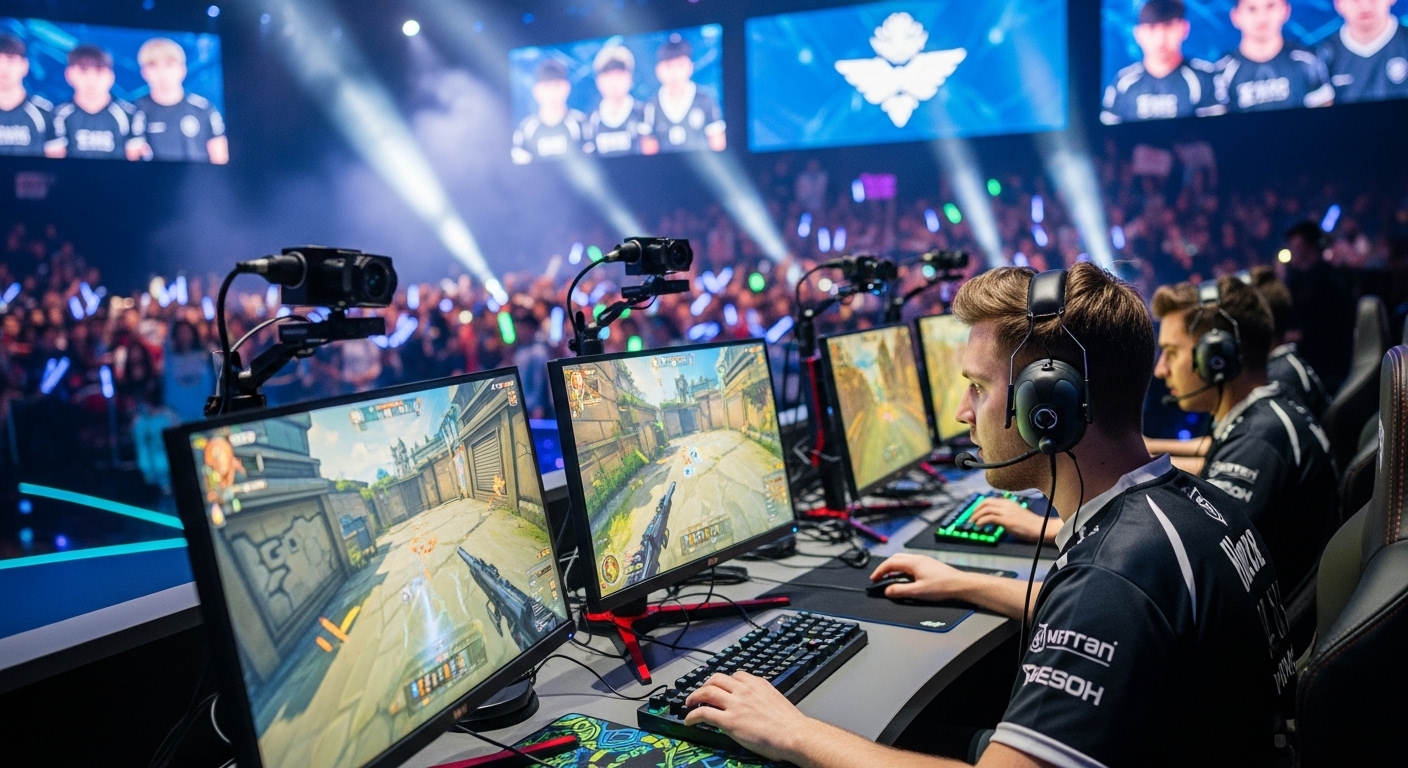
At the heart of the esports industry are its players and teams. Professional esports athletes are highly skilled gamers who dedicate their lives to training, improving their skills, and competing at the highest level. Just like traditional athletes, esports players follow rigorous training schedules, analyze game footage, and work with coaches and analysts to refine their gameplay.
The rise of esports has led to the creation of professional esports teams, which function similarly to traditional sports teams. These teams are composed of players who compete in various game titles and are managed by esports organizations. Some of the most successful esports teams include Cloud9, Team Liquid, FaZe Clan, and T1, each of which has built a strong global following and has achieved significant success in tournaments.
Esports tournaments are where the action happens. These events, often broadcasted live, bring together the best players and teams from around the world to compete for huge prize pools. Major tournaments, like The International (Dota 2), League of Legends Worlds, and CS:GO Major Championships, attract millions of viewers online and fill arenas with excited fans.
Esports leagues are another critical aspect of the ecosystem. Games like League of Legends, Overwatch, and Call of Duty have established official professional leagues where teams compete in regular seasons. These leagues create a consistent schedule of high-level competitions and help esports grow into a year-round sport.
The Growth of Esports: How Streaming and Sponsorships Changed the Game
One of the driving forces behind the meteoric rise of esports is the emergence of streaming platforms like Twitch, YouTube Gaming, and Facebook Gaming. These platforms have revolutionized the way fans consume esports content, providing an accessible, interactive, and global platform for live broadcasts of competitive gaming events.
Streaming services allow fans to watch esports tournaments in real-time, giving them the opportunity to see top-tier players compete from anywhere in the world. In addition, platforms like Twitch have given rise to esports personalities and content creators who amass millions of followers, drawing in fans with live streams, commentary, and behind-the-scenes content. This has fostered a sense of community where viewers can interact with streamers and fellow fans, making esports viewing more engaging and interactive than traditional sports broadcasts.
Sponsorships have also played a significant role in esports’ growth. Major global brands like Intel, Red Bull, Coca-Cola, and Nike have invested heavily in esports, sponsoring teams, tournaments, and individual players. These partnerships provide substantial financial support for players and organizations while also helping to elevate esports into the mainstream.
The esports industry is also attracting investment from traditional sports entities. Football teams, basketball clubs, and other sports organizations are now investing in esports teams and tournaments. This cross-industry collaboration has helped cement esports as a legitimate form of competition on par with traditional sports.
Esports and Its Cultural Impact: Changing the Entertainment Landscape
Esports is having a profound impact on culture and society. One of the most significant cultural shifts brought on by esports is the redefinition of what constitutes “sports” and “athleticism.” In the past, sports were primarily associated with physical skill and activity. Esports challenges this notion by highlighting the mental acuity, strategic thinking, and teamwork required to succeed in competitive gaming. Esports athletes must have incredible reflexes, split-second decision-making abilities, and deep knowledge of game mechanics, making them highly skilled competitors in their own right.
Furthermore, esports has created a new form of entertainment for millions of people, especially younger generations. As traditional sports viewership has declined in certain regions, esports has risen in prominence as an alternative form of entertainment. Esports’ accessibility, digital nature, and the social aspect of online communities have all contributed to its growing popularity, particularly among Generation Z and millennials.
Esports also has a unique ability to bring together people from different walks of life. The global nature of online gaming means that fans and players from different countries, cultures, and backgrounds can interact and share experiences. This has fostered a sense of community that transcends borders, as fans support teams, players, and games from all over the world.
The Business of Esports: A Multi-Billion Dollar Industry
Esports has become one of the most lucrative industries in entertainment. Revenue from sponsorships, media rights, merchandise sales, and ticket sales for live events has turned esports into a billion-dollar industry. Major tournament organizers, like ESL and DreamHack, generate substantial revenue from broadcasting rights and ticket sales for live events. With tournaments attracting millions of viewers, broadcasters and streaming platforms are paying significant amounts for the rights to broadcast live competitions.
Esports also generates revenue through merchandise sales, including team jerseys, apparel, and branded accessories. Fans are increasingly buying products related to their favorite teams and players, helping to grow the business side of the industry. As the industry expands, esports organizations are diversifying their revenue streams by launching their own content channels, selling digital products, and even developing their own games.
The betting industry has also become intertwined with esports. As esports has gained mainstream attention, online betting platforms have started offering odds on esports events, allowing fans to wager on the outcome of matches and tournaments. This has opened up new revenue opportunities for esports organizations and tournament organizers.
The Future of Esports: What Lies Ahead?
The future of esports looks incredibly promising. With increasing investment, growing fanbases, and expanding revenue streams, esports is poised to continue its rise as a mainstream form of entertainment. Several key trends will shape the future of esports:
1. Virtual Reality and Augmented Reality: As VR and AR technologies improve, esports competitions will likely incorporate more immersive experiences. Imagine competing in a virtual stadium or watching a match from a first-person perspective using VR headsets. These innovations will enhance the fan experience and introduce new ways to play and spectate.
2. More Traditional Sports and Esports Integration: As traditional sports organizations continue to invest in esports, we may see even more collaboration between traditional sports leagues and esports teams. This could lead to a more unified entertainment experience where fans can enjoy both traditional sports and esports under the same roof.
3. Greater Inclusivity and Diversity: Esports has the potential to be a truly global and inclusive sport. The industry is already seeing more female gamers and teams rise to prominence, and as the industry matures, it will continue to foster diversity and provide opportunities for players from all backgrounds.
4. Esports in Education: Colleges and universities are increasingly offering esports scholarships, and competitive gaming is becoming a legitimate career path for young players. As esports continues to grow, it will likely play a bigger role in education, offering students opportunities to develop their skills while pursuing a degree.
Conclusion: The Future of Competitive Gaming is Now
Esports has rapidly transformed from a niche activity into a global entertainment juggernaut. Its growth has been fueled by streaming platforms, sponsorships, and the passion of fans and players worldwide. As the industry continues to evolve, esports will remain at the forefront of digital entertainment, offering new opportunities for players, fans, and businesses alike.
Whether you’re a seasoned pro, a casual fan, or someone just discovering the world of competitive gaming, one thing is certain: esports is here to stay. As it continues to grow, we’ll witness an even more exciting future for this