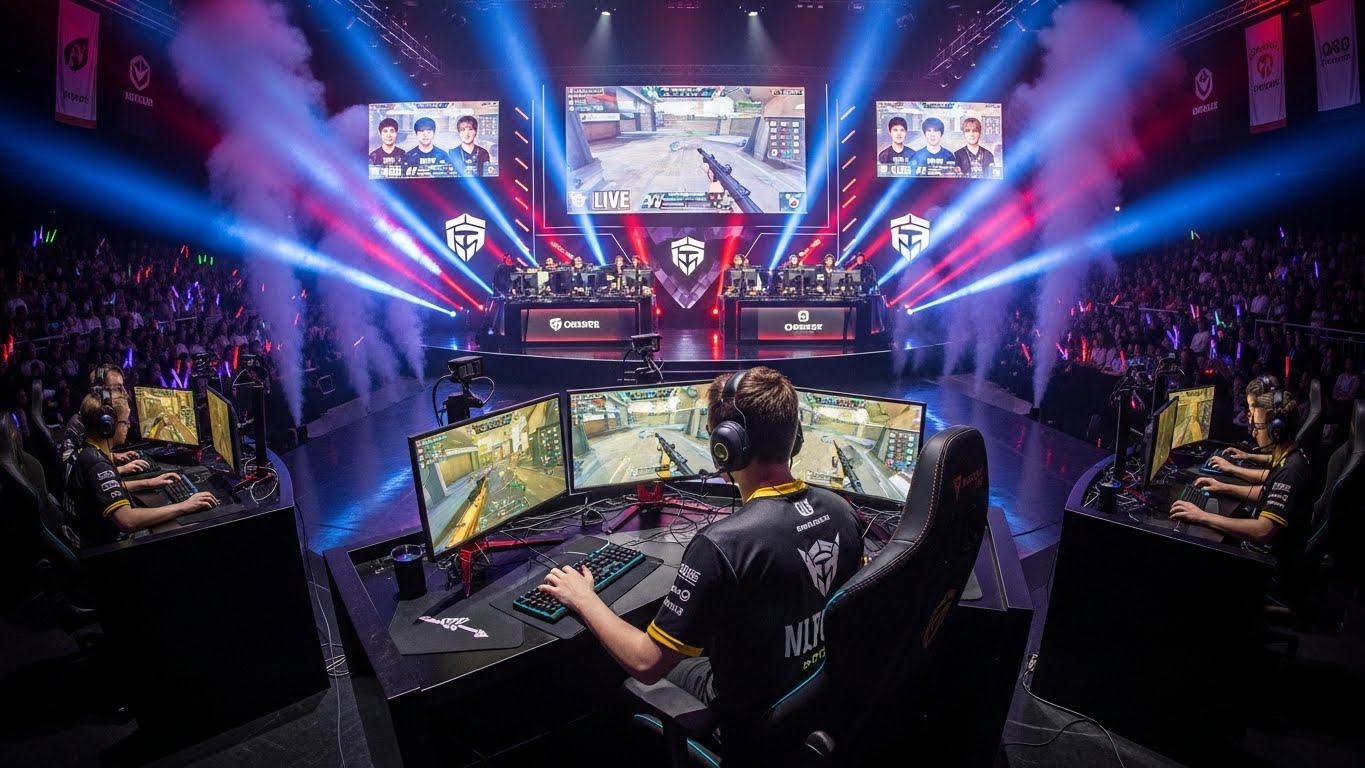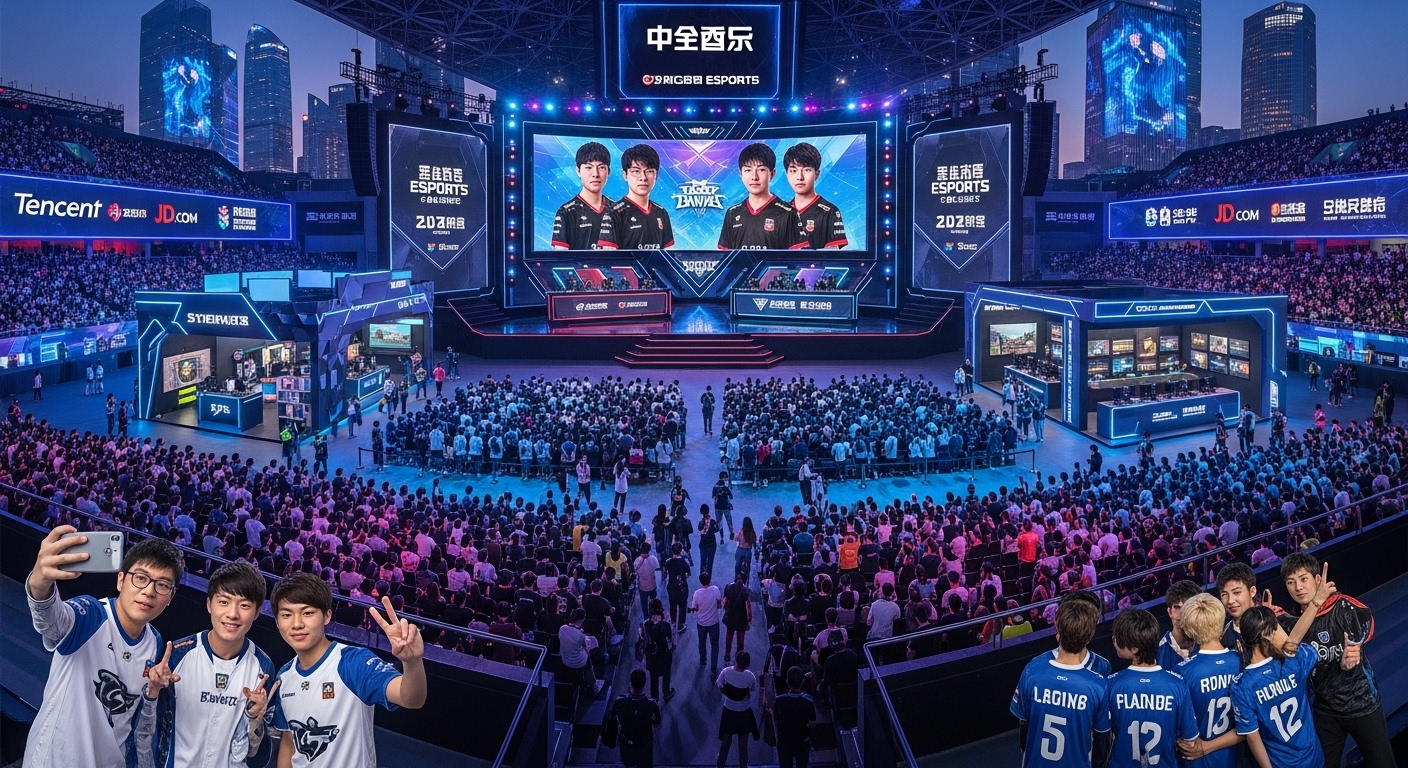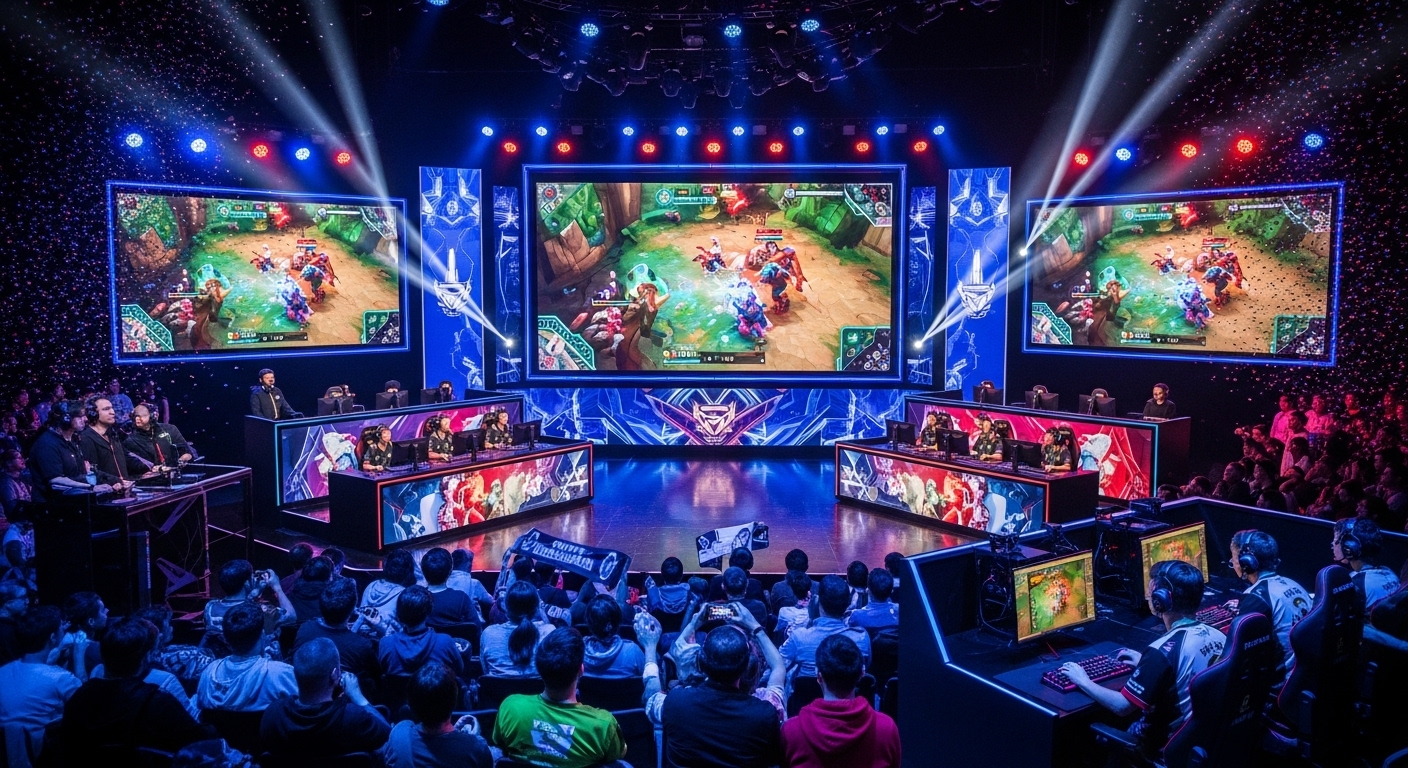
In a world increasingly driven by technology and digital interaction, esports has risen to become a global powerhouse, captivating millions with its blend of skill, entertainment, and competition. No longer relegated to the realm of niche gaming communities, esports has rapidly evolved into a multi-billion-dollar industry that rivals traditional sports in terms of viewership, sponsorship, and cultural impact. Whether it’s a thrilling League of Legends tournament or a nail-biting Dota 2 match, esports has secured its place at the heart of modern entertainment. But how did it all begin, and what makes esports so captivating to players and audiences alike? Let’s dive deep into the world of competitive gaming and explore the forces that have shaped esports into the global phenomenon it is today.
The Emergence of Esports: From Arcades to Global Stages
The origins of esports can be traced back to the early days of gaming. In the 1970s and 1980s, competitive gaming existed mostly in the form of informal, local tournaments. The rise of arcade games like Space Invaders, Pac-Man, and Donkey Kong introduced the concept of competition in gaming, where players could test their skills and attempt to achieve high scores.
However, the modern concept of esports began to take shape in the 1990s. With the widespread adoption of personal computers and the internet, multiplayer gaming allowed players to connect across geographical boundaries. Titles such as StarCraft, Quake, and Warcraft laid the foundation for organized competitive gaming, as players could now compete against each other over the internet.
One of the early milestones of esports was the creation of the Cyberathlete Professional League (CPL) in 1997, the first organization to host major international gaming tournaments. This era marked the beginning of esports as we know it today, where competitive players could earn recognition and rewards on a global scale.
As the internet improved, new streaming platforms such as Twitch and YouTube Gaming allowed players to broadcast their matches, turning esports into a form of entertainment that was accessible to millions. With the advent of live streaming, players and teams gained followers, and the seeds for professional gaming were sown.
The Rise of Professional Esports: Teams, Leagues, and Sponsorships
Today, esports has developed into a highly professionalized industry with structured teams, leagues, and global tournaments. As with traditional sports, esports organizations are structured with coaches, managers, and analysts, all working together to create winning strategies. Teams often consist of highly skilled players specializing in specific roles within the games they compete in.
Esports tournaments have evolved from small local gatherings into large-scale events that draw millions of viewers worldwide. For example, the League of Legends World Championship, which began as a small event, now attracts over 100 million viewers annually. Similarly, The International, the world championship for Dota 2, features one of the largest prize pools in the history of competitive gaming, sometimes reaching up to $40 million, a sum that rivals the prize pools of major traditional sports tournaments like Wimbledon or the US Open.
With the growth of professional esports came the influx of sponsorship deals from major corporations. Brands like Intel, Coca-Cola, and Nike now sponsor professional esports teams and tournaments, underscoring the business potential of the industry. These sponsorships provide teams with the resources to invest in infrastructure, training facilities, and equipment, while also helping to promote esports to a wider audience.
Esports Ecosystem: More Than Just Gaming
The esports ecosystem is far more expansive than just the players competing in tournaments. It encompasses a broad range of roles and industries, including broadcasting, coaching, marketing, event management, and content creation.
One of the most important aspects of esports is its media presence. Streaming platforms like Twitch, YouTube, and Facebook Gaming have become essential platforms for players, commentators, and fans alike. These platforms allow fans to watch live matches, interact with players, and consume content related to their favorite games. Professional players and teams often live stream their practice sessions, providing fans with a behind-the-scenes look at their preparation and giving fans a chance to interact directly with the players.
Content creators, often streamers and influencers, have emerged as major players in the esports scene. These personalities attract massive followings and contribute to the growing visibility of esports. Many top streamers—such as Ninja, Shroud, and Pokimane—have parlayed their success into multi-million dollar business ventures, endorsements, and media opportunities, further legitimizing esports as a career path.
In addition to gaming itself, esports organizations also hire coaches, analysts, and support staff. Just like in traditional sports, coaching is an integral part of the esports ecosystem. Coaches study gameplay footage, analyze opponent strategies, and help players refine their skills. This support network has helped transform esports from casual play into a highly competitive and professional industry.
Esports Titles: The Games That Define Competitive Gaming
Esports spans a wide range of game genres, each attracting different player bases and audiences. The most popular esports titles are often multiplayer games that require strategic thinking, teamwork, and quick reflexes.
One of the most prominent esports titles is League of Legends, a multiplayer online battle arena (MOBA) game developed by Riot Games. LoL has become one of the pillars of the esports industry, with professional leagues in North America, Europe, China, and Korea. Its World Championship attracts millions of viewers every year, and the game has given rise to a number of famous players and teams.
Another major player in the esports ecosystem is Dota 2, developed by Valve. This game is known for its deep strategy and high skill ceiling. The International, Dota 2‘s annual world championship, boasts one of the largest prize pools in esports, with contributions from the game’s player community through crowdfunding.
First-person shooters (FPS) like Counter-Strike: Global Offensive (CS:GO) and Overwatch also dominate the competitive gaming scene. CS:GO is known for its tactical gameplay, where two teams of five players compete to either plant or defuse a bomb. Overwatch, developed by Blizzard Entertainment, introduced a new genre of team-based FPS that combines elements of strategy and character abilities, making it accessible to a wide range of players and fans.
Battle royale games, such as Fortnite and Apex Legends, have also found a significant place in competitive gaming. Fortnite, developed by Epic Games, has taken the gaming world by storm, not only because of its gameplay but also its ability to integrate cultural events and collaborations with artists, musicians, and brands. These games have introduced new competition formats, with large, fast-paced tournaments offering substantial rewards.
Monetization in Esports: A Growing Multi-Billion Dollar Industry
The rapid growth of esports has resulted in a major economic shift within the gaming and entertainment industries. Esports generates revenue through various channels, including sponsorships, media rights, advertising, ticket sales, and merchandise. Sponsorship is one of the largest revenue streams for esports organizations, with brands eager to tap into the young, engaged audience that follows competitive gaming.
Advertisers are increasingly turning to esports as a way to reach the millennial and Gen Z demographics, who may not engage with traditional forms of media. The global reach of esports allows brands to connect with fans from all corners of the world, whether through product placements in tournaments or partnerships with esports stars and teams.
Ticket sales for live esports events are another significant source of revenue. While many esports tournaments are broadcast online, some major events take place in front of live audiences in arenas and stadiums. For instance, The International and League of Legends World Championships are held in massive venues, with tickets selling out in minutes.
Moreover, the success of esports has led to a rise in esports betting and fantasy leagues, further increasing its financial appeal. Fans can place bets on the outcomes of matches, and fantasy esports leagues allow viewers to engage with their favorite games in a way similar to traditional sports leagues like the NFL or NBA.
The Global Impact of Esports: Cultural Influence and Accessibility
Esports has rapidly become a global cultural phenomenon. It has transcended national borders and created a universal language for competitive gaming. One of the most significant aspects of esports is its accessibility. Unlike traditional sports, which often require physical talent or infrastructure, esports only requires a computer or console and an internet connection to participate. This has allowed players from all over the world, regardless of their background, to compete at the highest levels.
Esports has also promoted diversity and inclusion, as it appeals to people of all genders, ethnicities, and nationalities. The global nature of esports means that players from different countries can come together to compete on the same stage. Additionally, many professional esports organizations are taking steps to address issues like toxic behavior, harassment, and inclusivity, striving to create a welcoming environment for all players and fans.
Furthermore, esports has become an avenue for social interaction. Many players, fans, and content creators use platforms like Discord to chat, form communities, and share content. This social aspect has fostered a sense of belonging and camaraderie among players, who often forge long-lasting friendships through their shared love of gaming.
The Future of Esports: What Lies Ahead?
Esports continues to evolve, and its future looks brighter than ever. As technology advances, we are likely to see new and innovative ways for fans to engage with esports. Virtual reality (VR) and augmented reality (AR) have the potential to transform how viewers experience esports, creating more immersive and interactive ways to watch and participate in events.