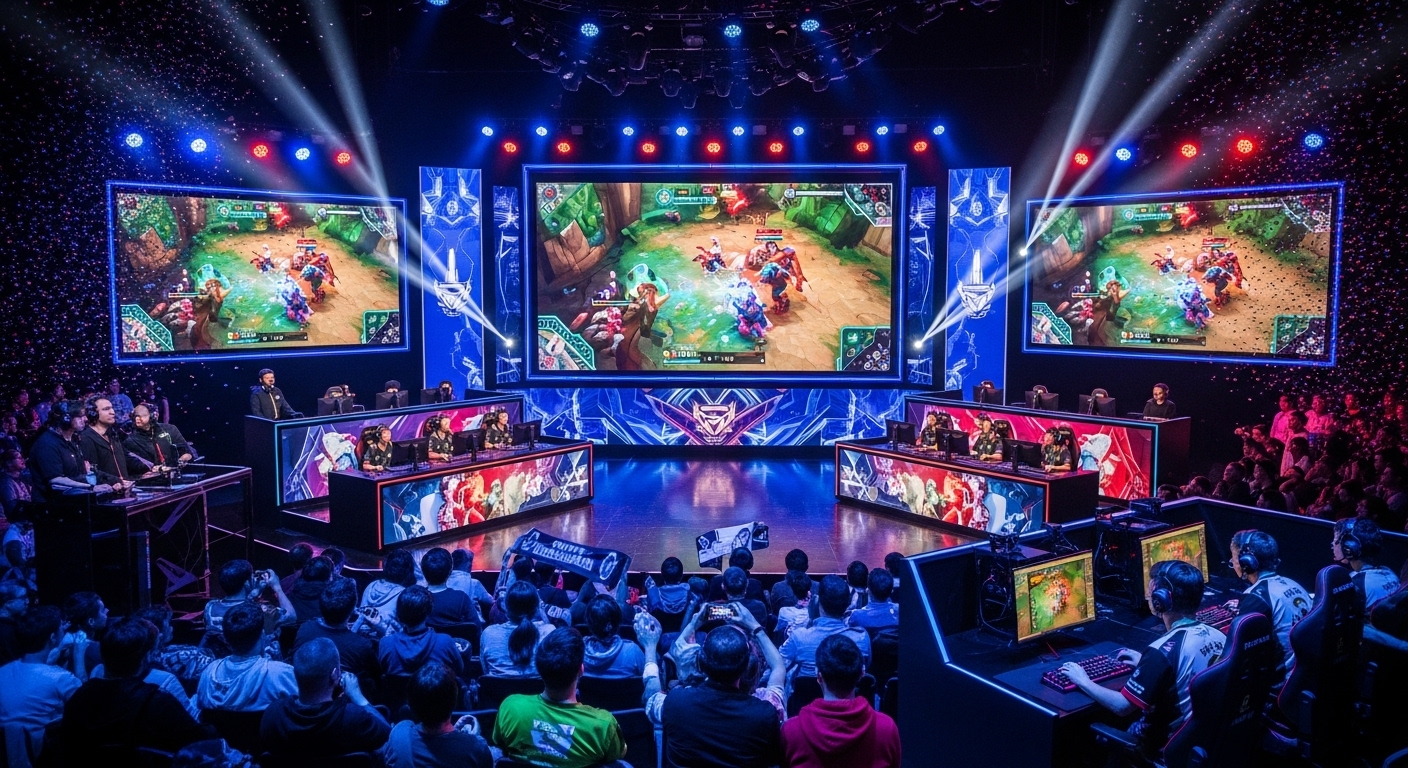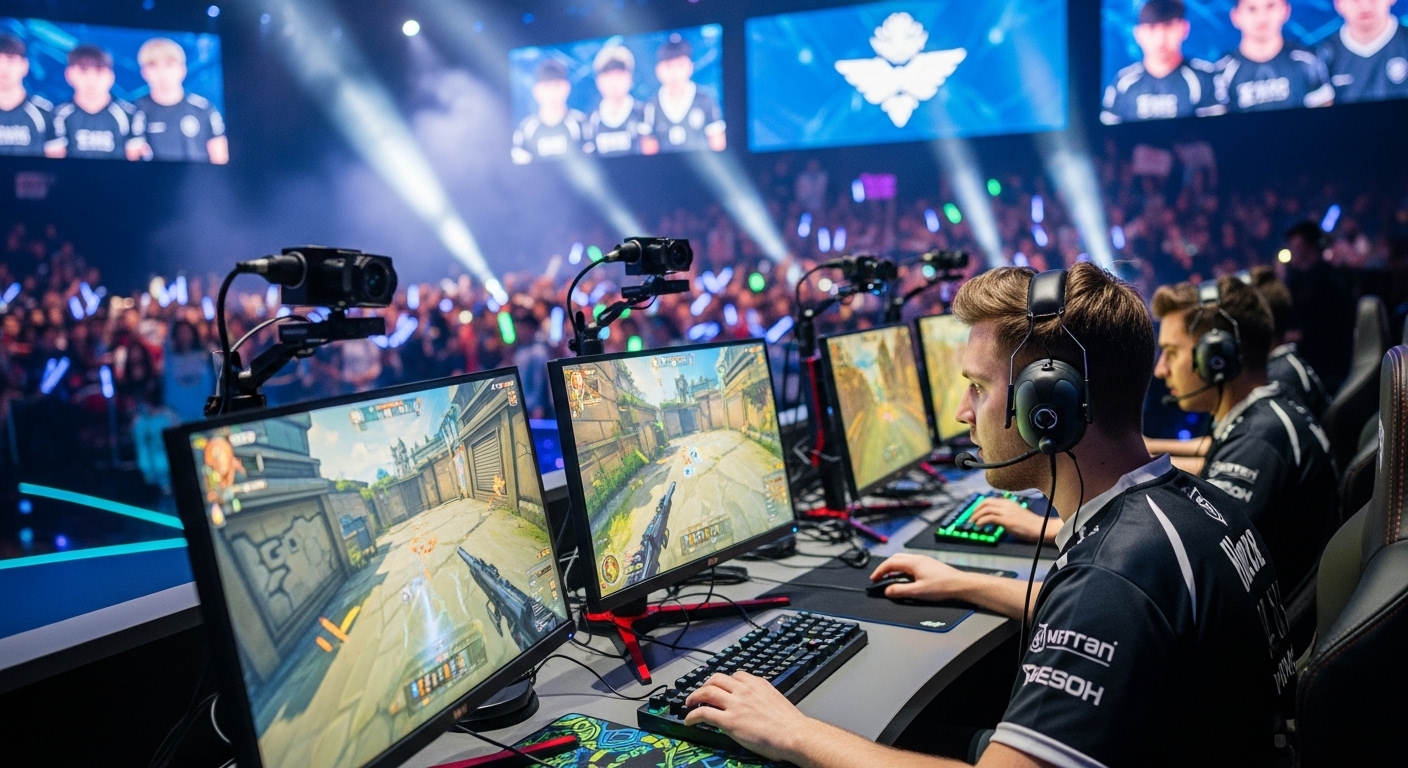
Esports, or electronic sports, has transformed from a niche hobby to a multi-billion-dollar industry in just a few decades. With its rapid growth, esports has become a mainstream entertainment platform, drawing millions of viewers and providing lucrative career opportunities for players, streamers, and other professionals involved. This blog delves into the origins, evolution, and impact of esports, exploring how it became one of the most popular and influential entertainment industries worldwide.
The Origins of Esports: A Humble Beginning
Esports traces its roots back to the early days of video gaming, with the first competitive gaming events occurring as early as the 1970s. While there were no official “esports” events at that time, video games were a natural source of competition, especially in the arcade scene. The first notable competitive gaming event was the Space Invaders Championship in 1980, organized by Atari. This tournament marked the beginning of competitive gaming, where players faced off in arcade games for the first time in a structured, competitive environment.
Though the concept of esports was in its infancy, these early events laid the foundation for future developments. However, it wasn’t until the late 1990s and early 2000s that esports began to truly take shape, fueled by the rise of personal computers, internet access, and multiplayer games.
The Rise of PC Gaming and Online Tournaments
The late 1990s was a crucial period for esports. With the proliferation of personal computers and high-speed internet connections, online multiplayer games like Quake (1996) and StarCraft (1998) allowed players to compete with others from around the world. These games introduced new levels of competitiveness and set the stage for esports to flourish.
StarCraft was particularly influential in the development of esports, especially in South Korea, where it became a cultural phenomenon. The game’s complex strategies, fast-paced action, and tactical depth made it perfect for competitive play. In South Korea, professional StarCraft leagues like the Korean e-Sports Association (KeSPA) began broadcasting tournaments on television, bringing esports into homes nationwide. By the early 2000s, StarCraft had established a strong competitive community, with professional players achieving celebrity status and drawing large crowds to live tournaments.
Meanwhile, the growing popularity of the Quake series, especially Quake III Arena (1999), marked the first real global tournaments. The Cyberathlete Professional League (CPL), founded in 1997, held several prestigious tournaments featuring games like Quake and later Counter-Strike. These tournaments attracted top players from around the world and were often broadcast online, further cementing the idea of esports as a competitive industry.
The Birth of Esports as a Profession
As online gaming continued to grow, the notion of professional gaming became more widely accepted. By the early 2000s, competitive gaming was no longer just a hobby; it had evolved into a full-time profession for top-tier players. Games like Counter-Strike, Warcraft III, and DotA paved the way for professional leagues and organizations, with players earning sponsorships, salaries, and tournament winnings.
One of the first major milestones in professional esports was the establishment of the World Cyber Games (WCG) in 2000. The WCG, often referred to as the “Olympics of esports,” brought together players from across the globe to compete in various games. Over the years, the WCG helped elevate esports into the mainstream and attracted significant sponsorships from major brands.
In 2002, the formation of the Electronic Sports League (ESL) marked another key moment in the rise of esports. ESL became one of the largest and most prominent esports organizations in the world, hosting tournaments and events for a variety of games such as Counter-Strike, Warcraft III, and League of Legends. ESL’s efforts helped to further legitimize esports as a professional sport, attracting larger audiences and more sponsorships.
The Explosion of Esports: League of Legends and the Emergence of Major Leagues
While esports had already gained traction in certain regions, it wasn’t until the release of League of Legends (LoL) in 2009 that the industry experienced an explosive rise in global popularity. Developed by Riot Games, League of Legends quickly became one of the most popular and competitive multiplayer online battle arena (MOBA) games in the world.
League of Legends’ appeal stemmed from its accessible gameplay, deep strategy, and vibrant community. Riot Games also played a pivotal role in the rise of esports by organizing the League of Legends World Championship, a global tournament that attracted millions of viewers and offered substantial prize pools. This event became the standard for esports competitions, influencing other game developers to create professional leagues and tournaments for their own titles.
Following the success of LoL, other major games like Dota 2, Counter-Strike: Global Offensive, and Overwatch began to implement their own competitive leagues, further fueling the esports boom. The establishment of professional leagues, such as the Overwatch League (OWL) and the Call of Duty League, helped to solidify esports as a legitimate and thriving industry, with teams, coaches, and players gaining recognition akin to traditional sports.
The Business of Esports: Sponsorships, Investments, and Media
As esports grew, so did the business surrounding it. The influx of sponsorships, investments, and media attention helped propel esports into the mainstream. Major brands like Coca-Cola, Intel, Nike, and Red Bull began investing in esports sponsorships, recognizing the massive potential of esports’ growing audience, especially among the coveted 18-34 demographic.
In addition to sponsorships, esports organizations also benefited from streaming platforms like Twitch and YouTube Gaming, which provided a platform for players, streamers, and teams to broadcast their matches and create content for fans. These platforms revolutionized the way audiences engaged with esports, making it more accessible and interactive.
Twitch, in particular, played a crucial role in the rise of esports. The platform became the go-to hub for live streaming esports events, with millions of viewers tuning in to watch their favorite players and teams compete in real time. The growth of Twitch and other streaming platforms provided new revenue streams for players, teams, and organizations, allowing them to monetize their content through ads, subscriptions, and donations from fans.
As the popularity of esports continued to soar, venture capital firms, traditional sports teams, and even media companies began investing in the industry. In 2018, Alibaba announced its investment in the esports organization Esports Arena, and major sports teams like the New York Yankees and Dallas Cowboys acquired esports teams to tap into the growing market. This influx of investments brought greater financial stability to esports, allowing it to continue its expansion into new markets and regions.
The Global Impact of Esports
Esports has become a global phenomenon, transcending geographical, cultural, and linguistic barriers. Tournaments like the League of Legends World Championship, The International (Dota 2), and the Fortnite World Cup attract millions of viewers from all over the world. These events are broadcast in multiple languages and have made esports a truly international experience.
One of the most remarkable aspects of esports is its ability to unite people from different backgrounds and regions. Whether it’s cheering for a favorite team or watching a nail-biting match between top players, esports has created a global community of fans who share a love for gaming and competition. The rise of esports also brought attention to regions like South Korea, China, and Southeast Asia, where competitive gaming has become a way of life.
Esports’ global reach is further emphasized by its inclusion in events like the Asian Games and the International Olympic Committee’s (IOC) recognition of esports as a potential future Olympic event. While esports has yet to become an official Olympic sport, the growing interest from the IOC indicates that esports’ cultural and global significance cannot be ignored.
Esports in the Modern Era: Future Prospects
Looking ahead, the future of esports appears bright, with continued growth expected in both viewership and participation. The industry is likely to expand further into emerging markets such as India, Africa, and Latin America, where the adoption of gaming is on the rise. Additionally, advancements in technology, including virtual reality (VR), augmented reality (AR), and 5G, will likely transform the way esports is played, streamed, and consumed.
As esports continues to evolve, it will face challenges such as player health and wellbeing, team management, and the development of sustainable business models. However, the resilience of the esports community, coupled with ongoing support from brands, investors, and fans, ensures that the industry will remain a dominant force in the entertainment world.
Conclusion: Esports as a Mainstream Entertainment Industry
Esports has come a long way since its humble beginnings in the early days of competitive gaming. Today, it stands as one of the most influential and rapidly growing entertainment industries in the world. From the grassroots tournaments of the late 1990s to the global spectacles of today, esports has proven its staying power and potential for the future.
The evolution of esports is a testament to the power of technology, the passion of gamers, and the ability of the industry to adapt and thrive. With millions of fans, multi-million-dollar prize pools, and a growing global presence, esports is no longer just a hobby—it’s a cultural and economic force shaping the future of entertainment. The journey of esports is far from over, and as the industry continues to grow and evolve, it will undoubtedly inspire new generations of gamers, athletes, and fans alike.